
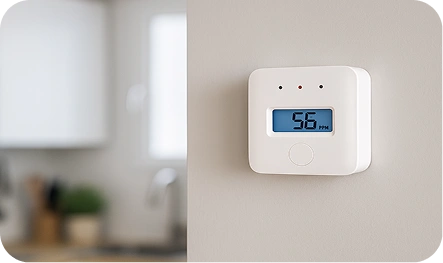
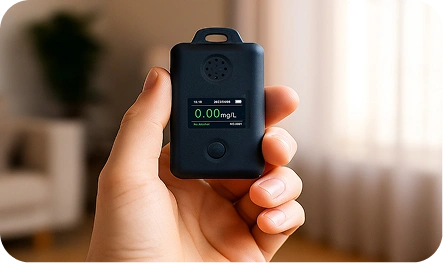
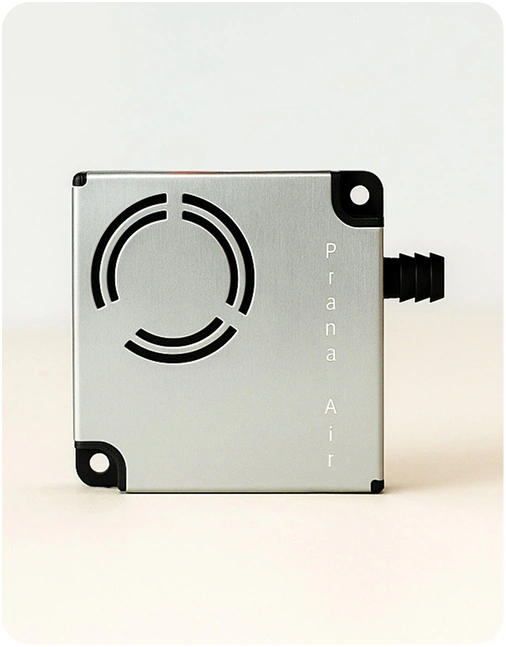
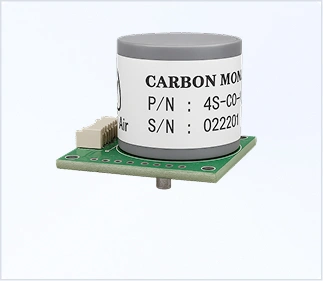






CO2 SENSOR
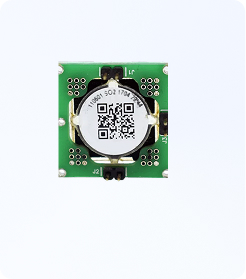
NDIR Precision Tech
1 PPM Resolution
Advanced Carbon Dioxide (CO2) Sensing with Infrared Technology
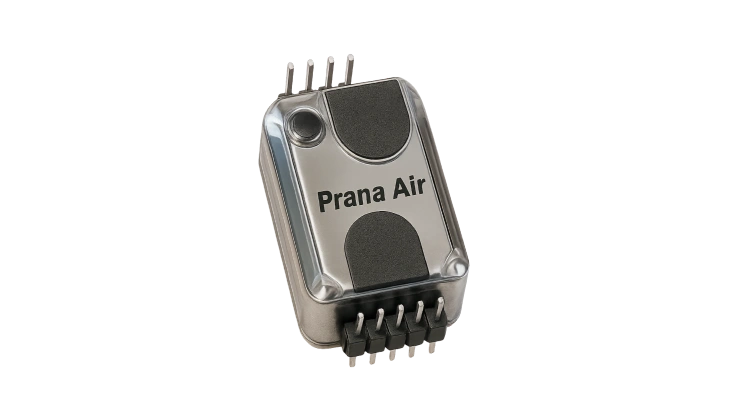
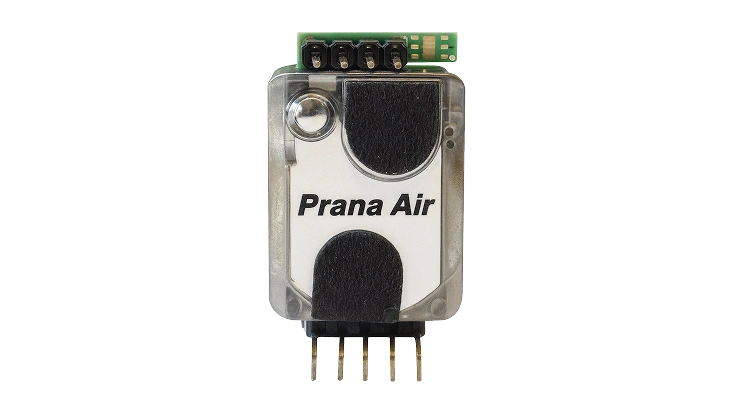
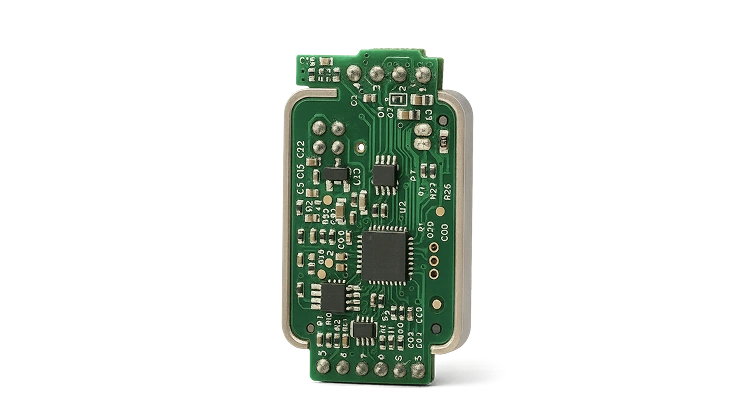
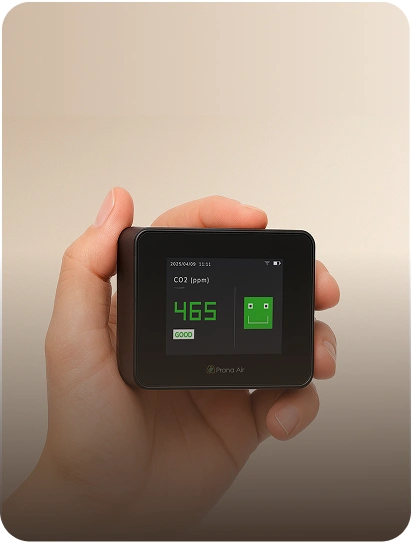
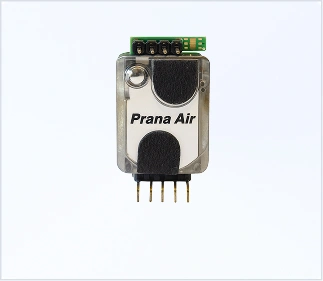
Improve how you manage your indoor air with our state-of-the-art CO2 sensor, featuring Non-Dispersive Infrared (NDIR) technology. This precise device gives you highly accurate readings for tracking carbon dioxide in your home, office workspace or industrial site
Core Features of our CO2 Sensor

Exceptional Precision
Get industry-leading accuracy for CO2 readings with a fine 1 PPM data resolution.

Long-term Reliability
The built-in NDIR optical path keeps performance steady, with very little drift in readings over years of use.

Minimalist Form Factor
The ultra-small footprint makes it easy to fit into any ventilation system or portable device you use.

Broad Adaptability
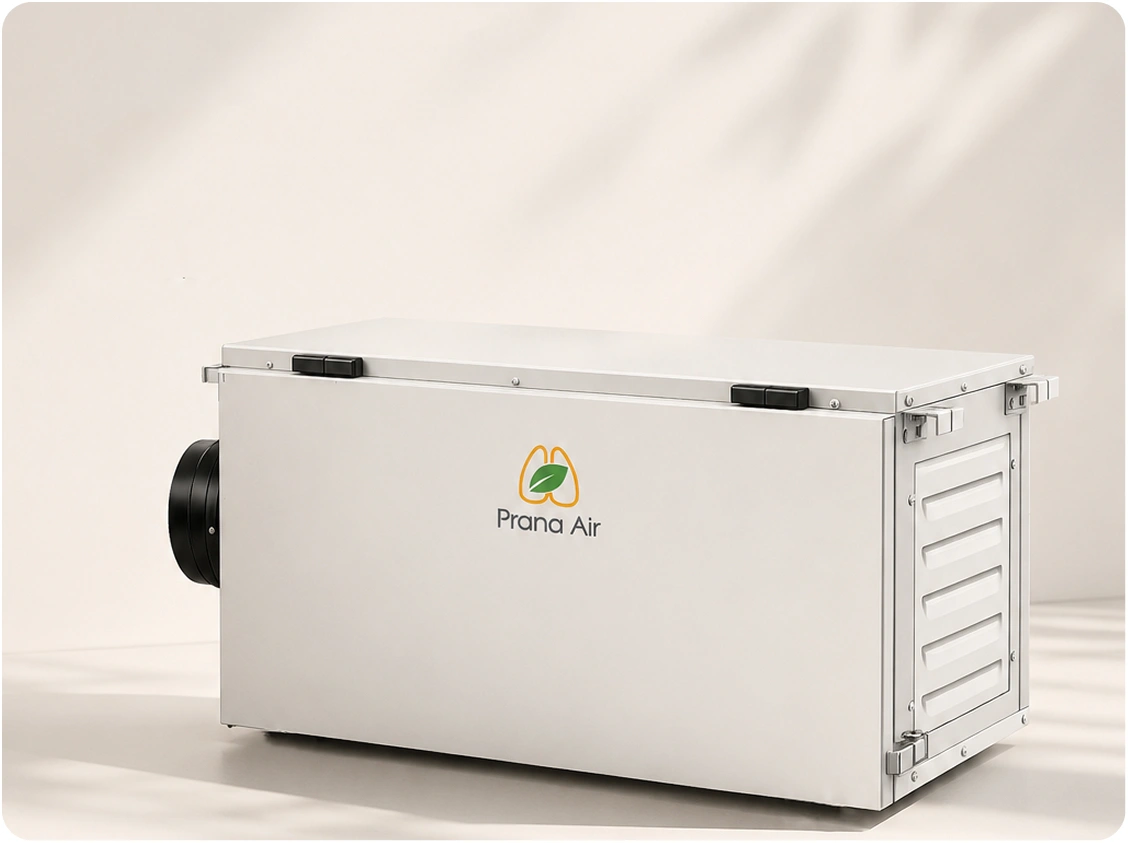
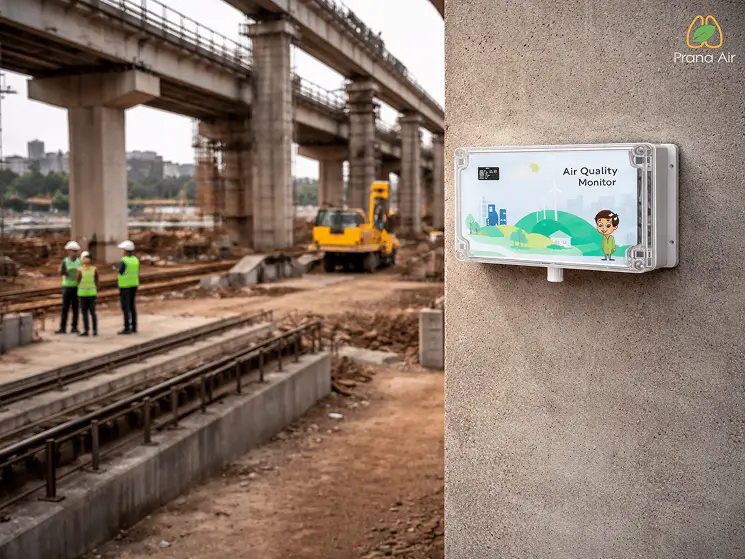
Highly versatile for a great many uses, including greenhouses, HVAC controls and ambient air monitors.

Auto & Manual Calibration
Keep your data sound and steady with flexible calibration modes that adapt to a wide range of conditions.

UART & PWM Compatibility
Offers two advanced data output formats that fit in smoothly with a great many hardware platforms.

Low Power Consumption
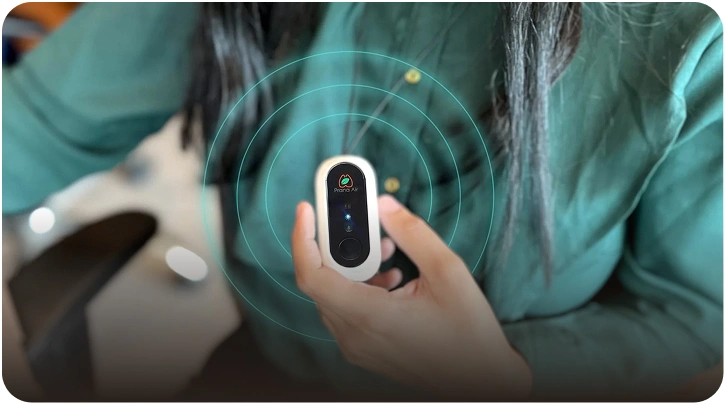
Designed for non-stop air tracking, our sensor gives you rapid readings while using very little energy.

Technical Assistance
You get expert technical guidance and dedicated customer support for all your project integration needs.
The Science of NDIR CO2 Sensing
How does our sensor provide such precise gas level data?
Our carbon dioxide sensing systems are powered by Non-Dispersive Infrared (NDIR)technology. This optical sensing method detects gas levels by measuring how much infrared light is absorbed at specific wavelengths.

Why Tracking CO2 Levels Matters So Much
Humans release carbon dioxide naturally when they breathe. In crowded or poorly ventilated indoor spaces, CO2 levels can rise fast and go past healthy limits. Outdoor baselines are around 400 PPM, but indoor spaces can become unsafe without proper air exchange and checks.
Impact on Human Health

Dizziness

Restlessness

Impaired Concentration

Breathing Difficulties

Hypertension

Nausea
A Look at Environmental Data
Real-time Changes in CO2 Levels
See how carbon dioxide levels (PPM) shift through the day. Then you can fine-tune your building's airflow and keep fresh air flowing for everyone inside.
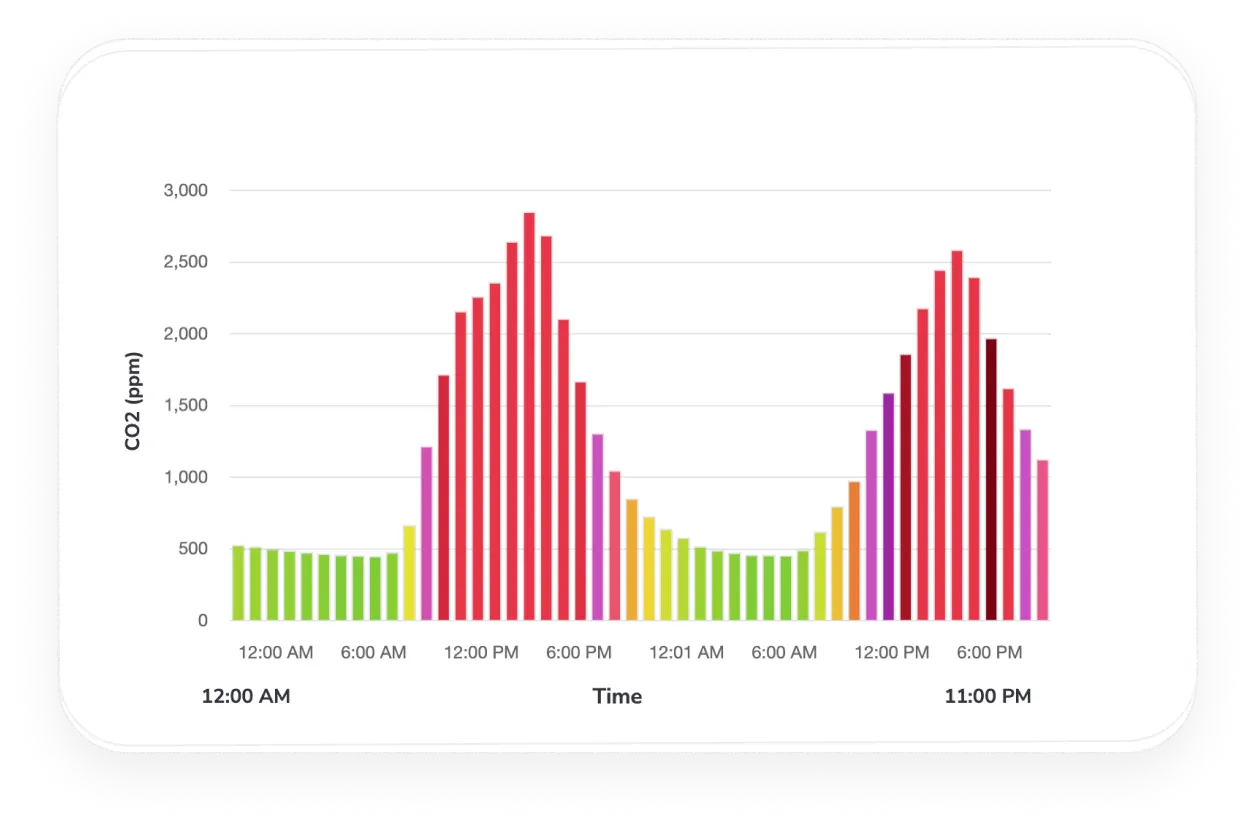
Weekly Air Quality Data Recap
Track weekly CO2 trends to see how the number of people affects air quality. This covers schools, offices and commercial spaces. Accurate data helps you create a healthier indoor space.
The Need for Real-time Tracking
Too much indoor carbon dioxide often results in:

Loss of Mental Focus:
High gas levels can sharply reduce how well you think and how well you work at your job.

Respiratory Health Risks
Ongoing exposure can affect your overall well-being and how well you breathe over the long term.

Occupant Discomfort
Stuffy rooms tend to make everyone in the space feel tired and much less at ease.
Understanding the Different CO2 Levels
The best air quality levels for health, maximum comfort and mental focus.
Acceptable levels; sensitive people may notice the air feels a little stuffy.
Higher CO2 levels can make people in the room feel drowsy and less able to concentrate.
High levels that may lead to headaches and tiredness that lingers on.
Hazardous indoor pollution that needs action right now to improve the airflow.
Very high gas levels; leave the area at once or start maximum ventilation right away.
Precision Sensor Calibration
Prana Air sensors are calibrated with care, using the industry-standard zero-point baseline method. Our devices set a 400 PPM reference, equal to fresh outdoor air, over a 96-hour (4-day) cycle. This keeps the data reliable over the long term.
The Many Different Uses of our CO2 Sensor
Primary Sources of CO2 Gas
Human-Made Sources

Burning of fossil fuels in cars, trucks and aircraft.

Open burning of household waste or farm waste materials.

Heavy industry and power plants, both of which rely on burning operations.

Indoor air pollution caused by tobacco smoking.
Natural Phenomena

CO2 released when carbonate rocks go through a chemical reaction with water.

Large amounts of greenhouse gases released during volcanic eruptions.

Gas released as glaciers and icebergs melt into the surrounding water.
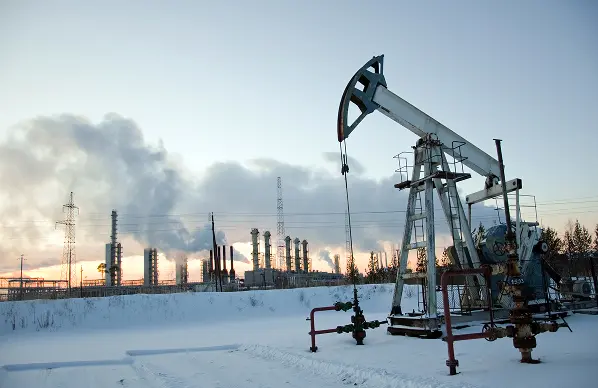
Natural gas and petroleum deposits trapped within the Earth's crust.
Technical Datasheet

Model Name:
Precision NDIR Sensor
Measuring Range:
0 to 10,000 ppm
Sensor Technology:
NDIR
Data Resolution:
1 ppm
Accuracy Rating:
± 50 ppm ± 5% of reading
Storage Range:
-40℃ to 70℃
Operating Range:
0℃ to 50℃
Working Humidity:
0~95% RH (non-condensing)
Power Current:
Average ≤20mA
Response Rate:
15s (90%)
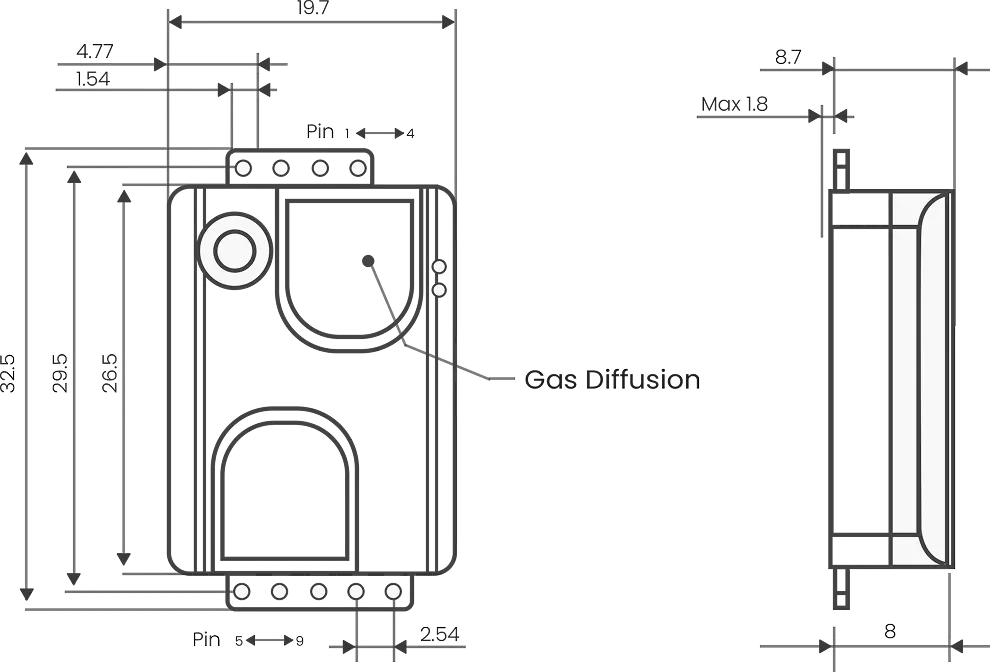
Contact Our Experts
Tell us what you need for gas monitoring, and our team will reach out to you shortly.

 Let’s Talk