
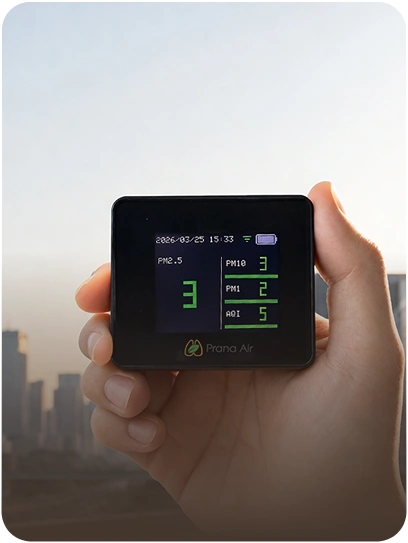
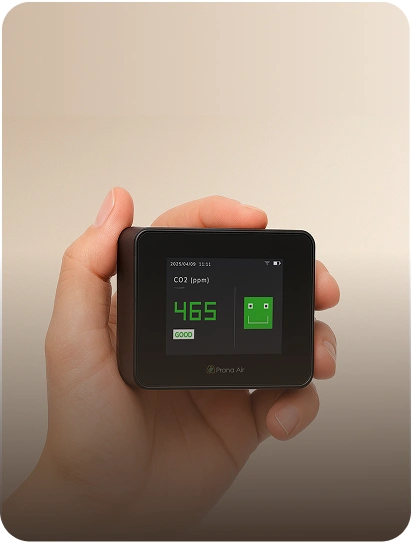
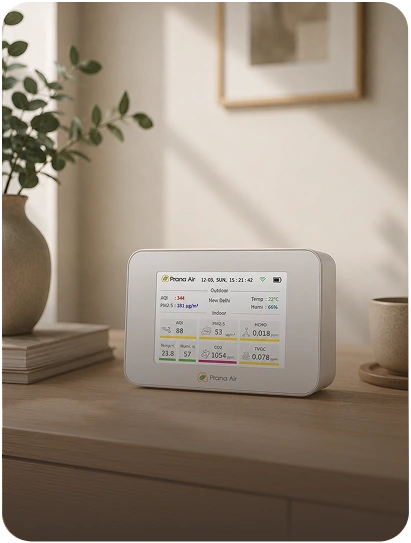
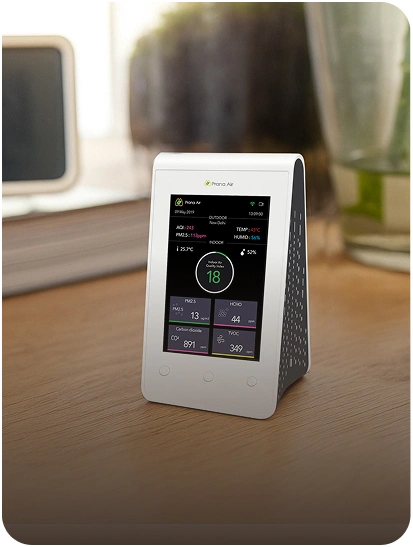
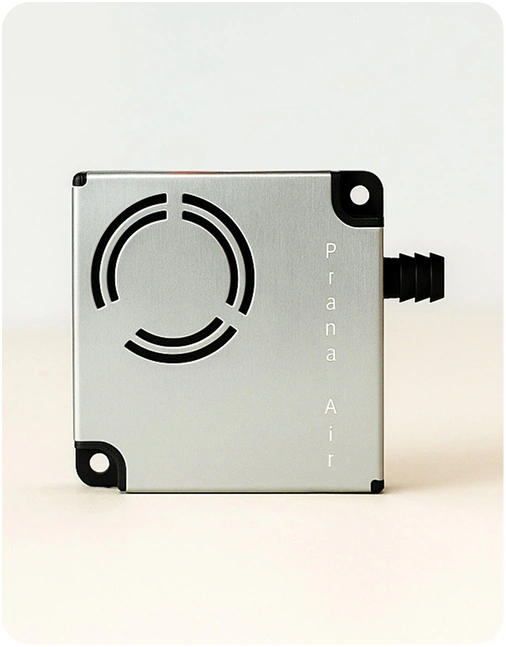
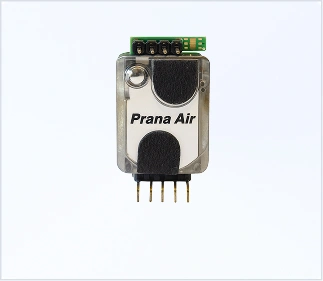











LASER-BASED PM SENSOR (PAS-OUT-01)
A professional tool for outdoor air quality monitoring. Its precise range goes all the way up to (0-31,000 µg/m³)
Request a Quote
Particulate Matter (PM) Sensor Key Features

Smart fan control that keeps the airflow steady

Finds system faults on its own

Dust-proof duct that stops clogging

Compact design that is easy to fit

Stands up well to outside interference

Circuit board that resists moisture

Supports several ways to send its data

Fast and responsive detection
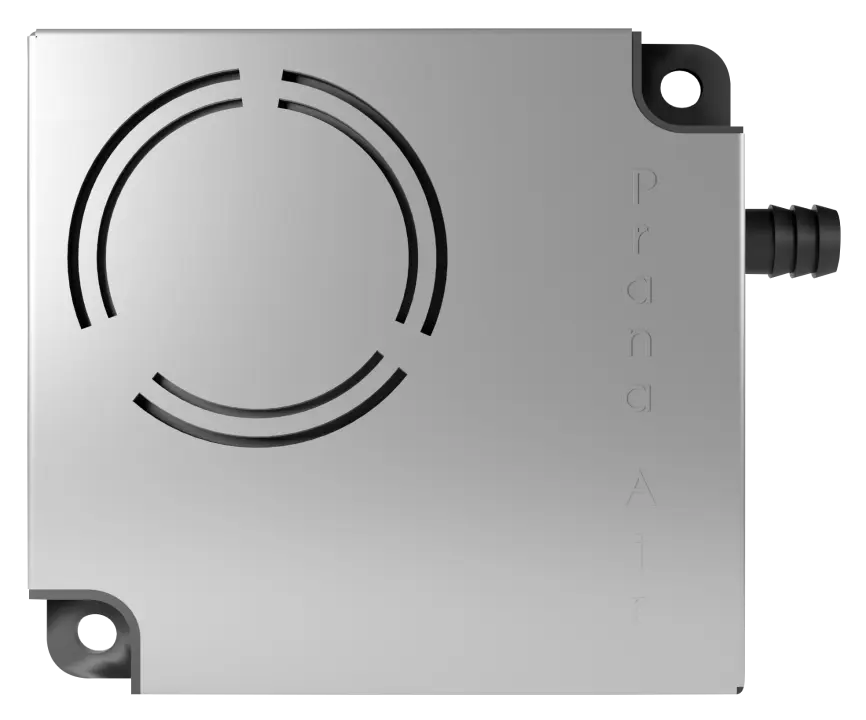

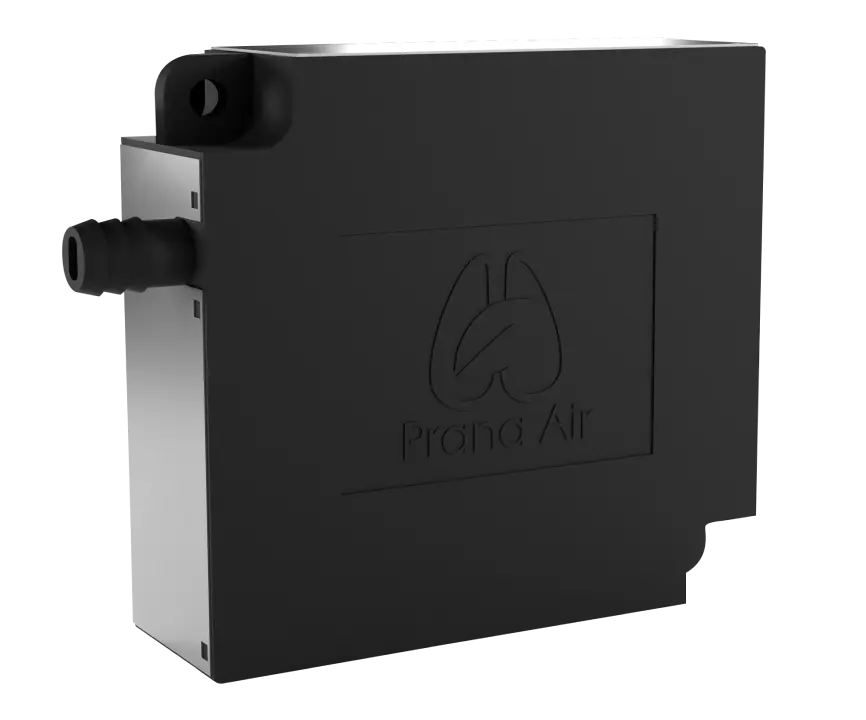
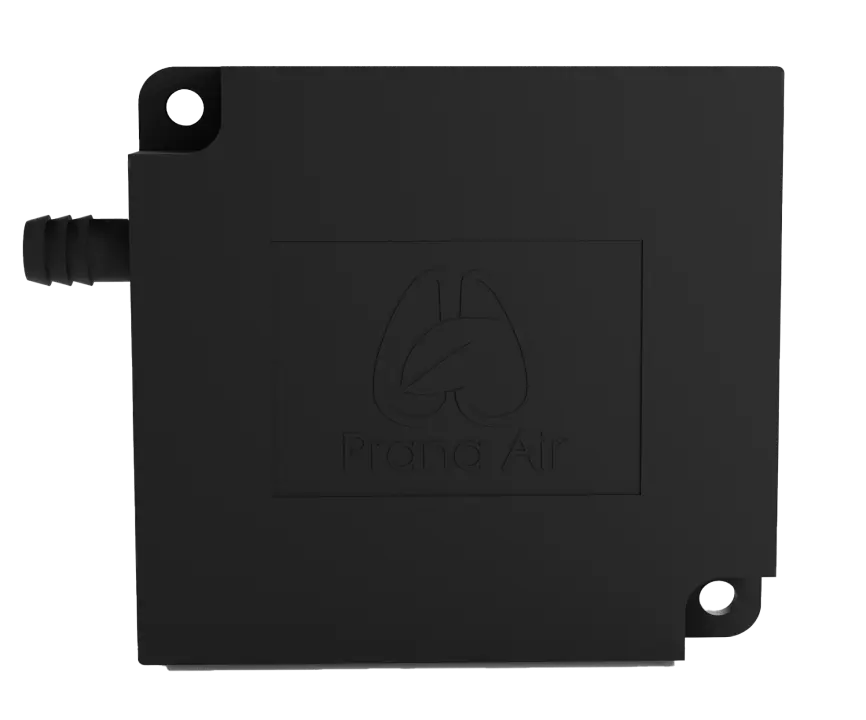
Sensor TechnologyAdvanced Laser Monitoring
90° Light Scattering Method
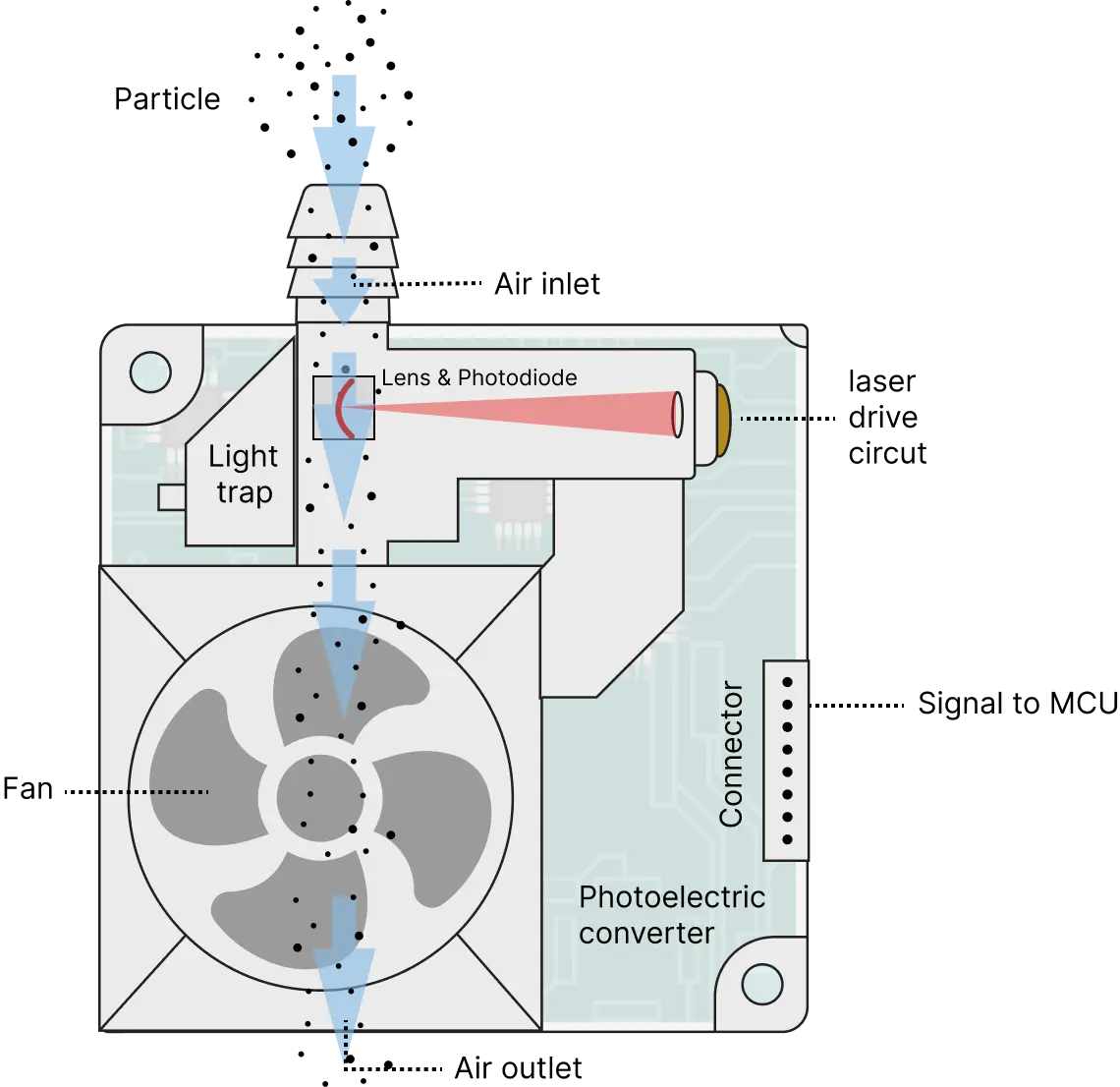
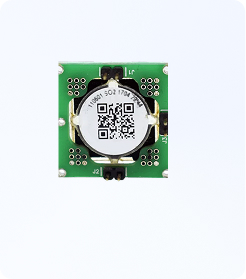
The PAS-OUT-01 is a high-accuracy digital laser sensor built for industrial settings. It comes with a built-in laser and a light-receiving module, so it tells PM10 and PM2.5 apart with accuracy. The device uses the 90° light scattering principle to give you stable data even in tough conditions.
Measurement Range(0-31,000 µg/m³)
Universal Connectivity
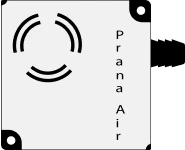
PM Sensor
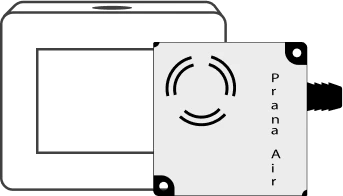
Monitoring Hub & Sensor

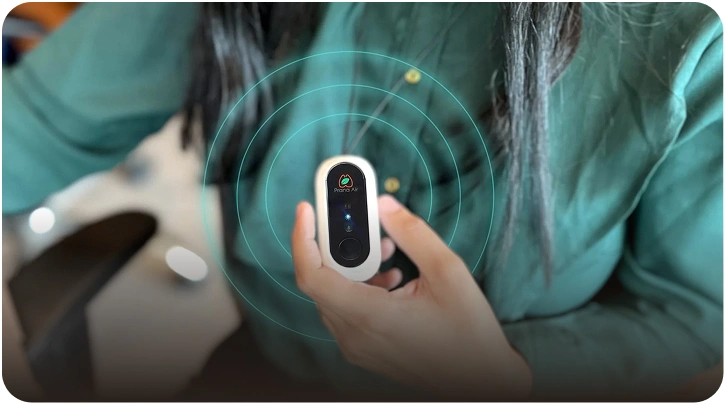
Wireless link to the monitoring unit

Data is sent to the cloud on its own.

View data on a phone, laptop, or digital display.
The sensor's small footprint means it fits with ease into a wide range of air quality monitoring systems. Its design makes it simple to fit and replace, with no need for advanced technical skills. Network integration is seamless, and data uploads straight to the cloud for real-time analysis.
Sensors Made for Indoors and Outdoors
We build specialised sensors for each type of setting, so you get the best performance and accurate air quality data.
Advanced Outdoor Sensor
Built to stand up to harsh outdoor conditions, this sensor uses precise tech to track particulate matter levels. Its readings stay steady over time.
Request a Quote
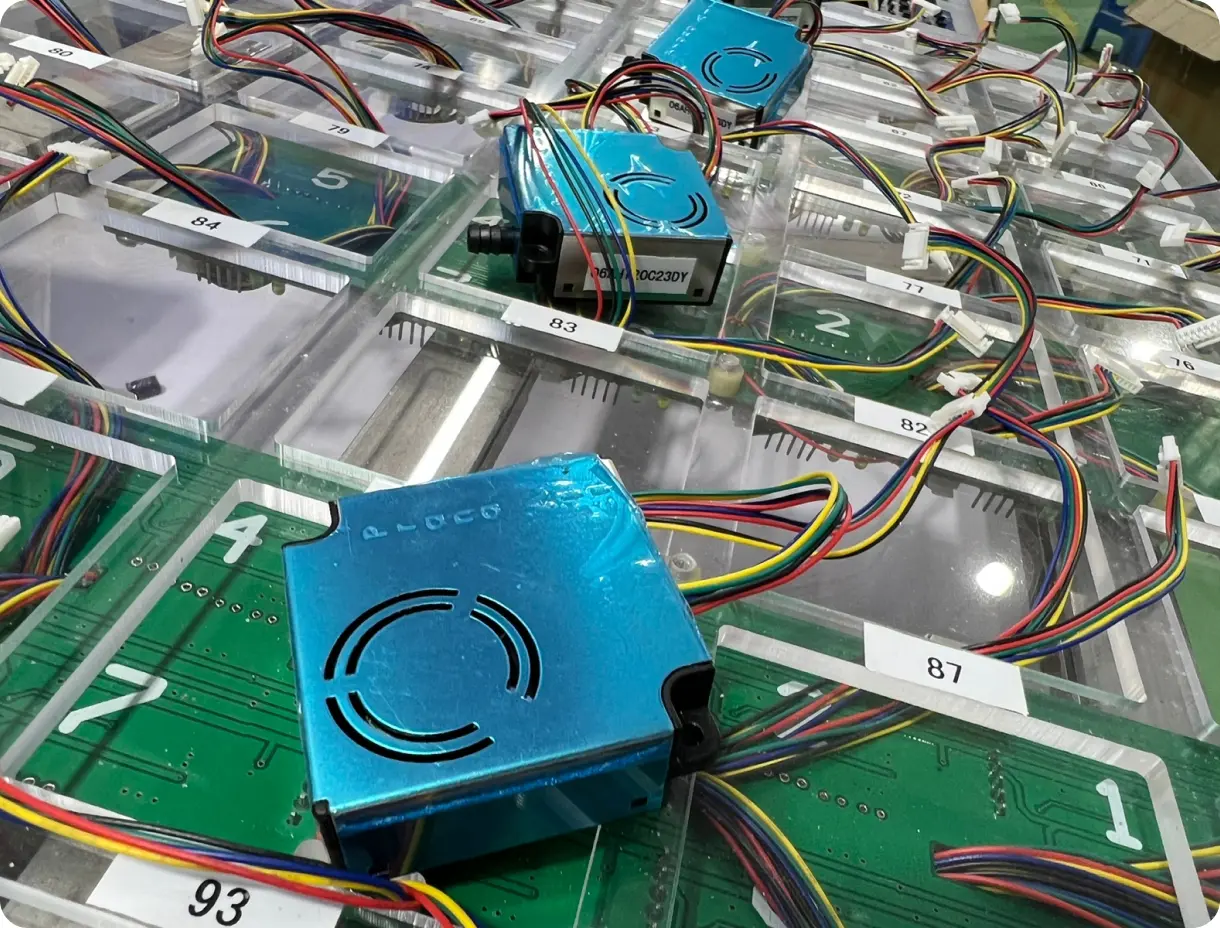
High-Sensitivity Indoor Sensor
Designed for indoor settings such as schools and offices, this version picks up small changes in air quality, which helps keep living and working spaces healthy.
Request a Quote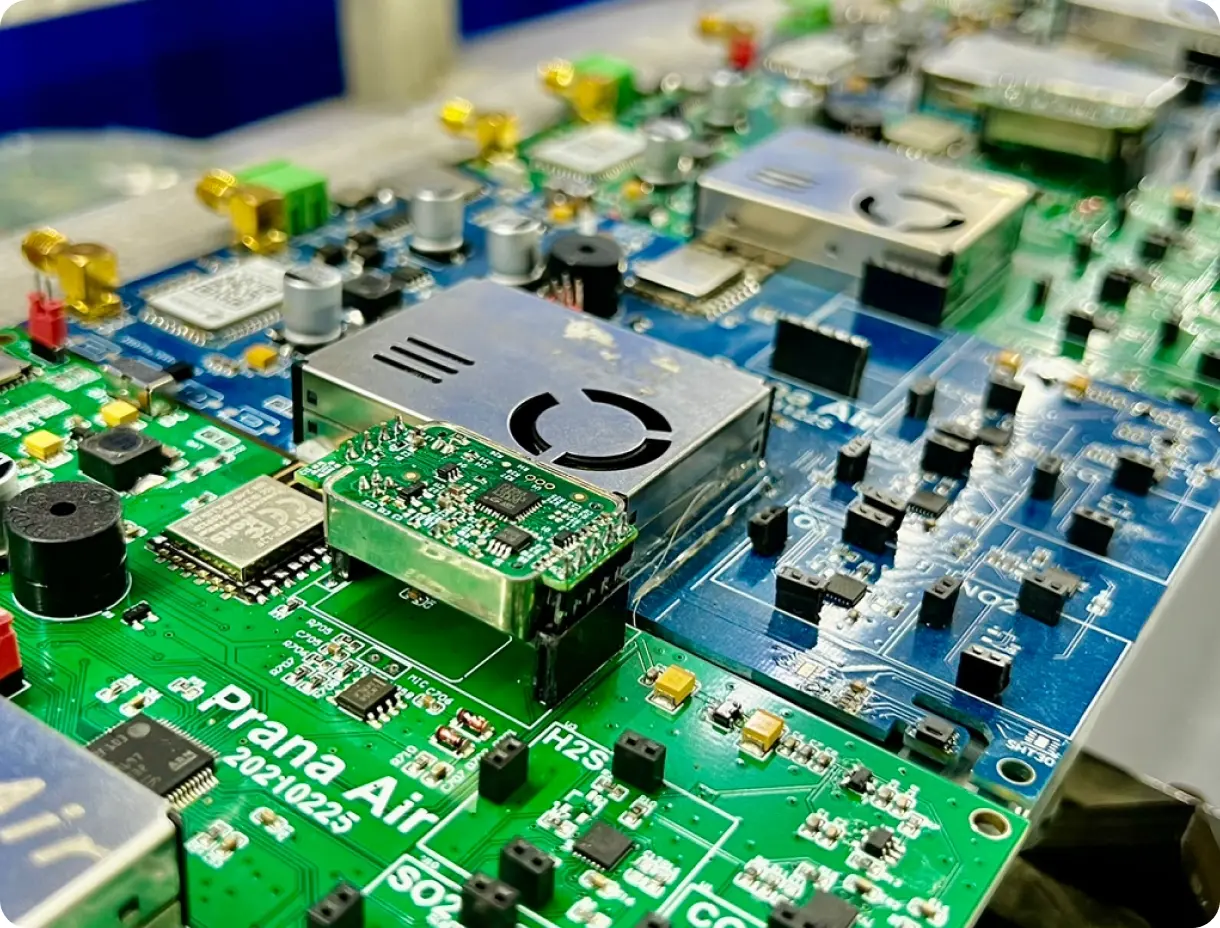
How Particulate Matter Sizes Compare
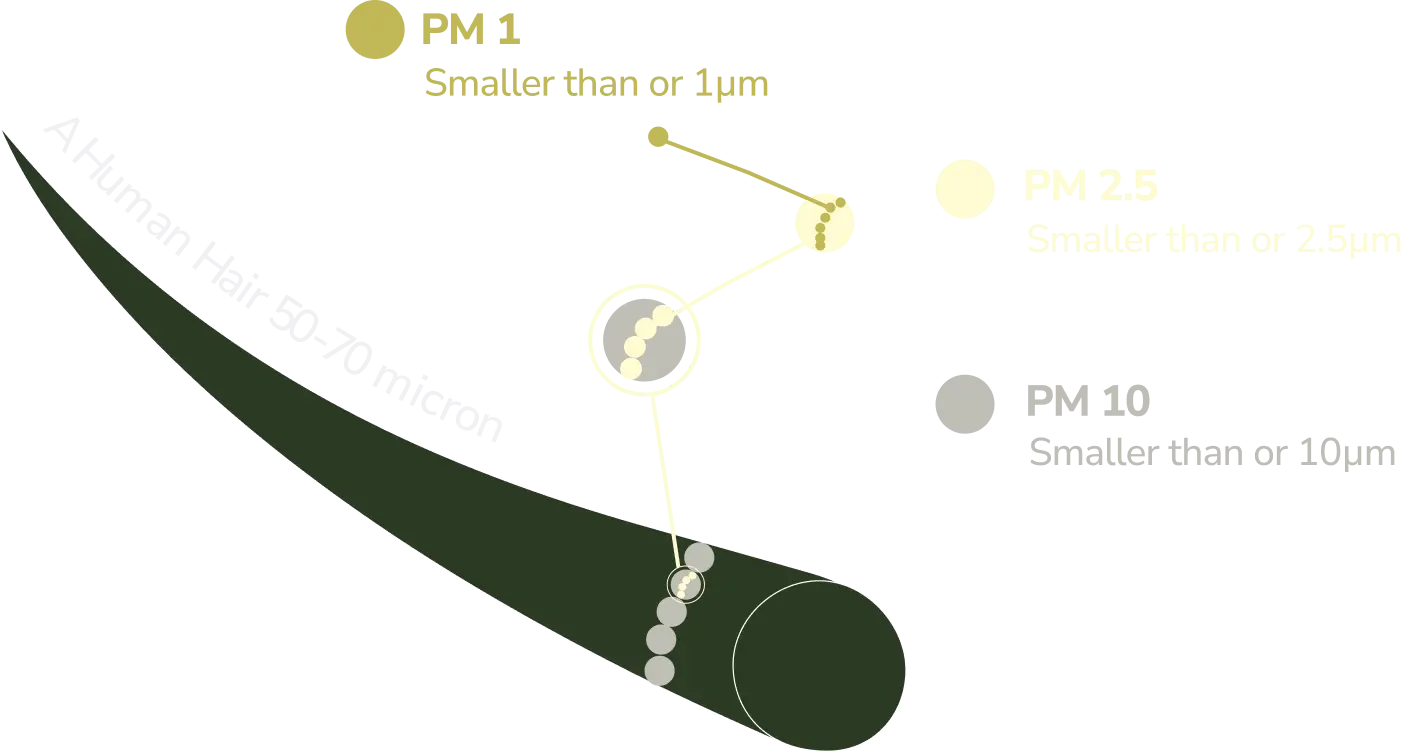
Particulate Matter (PM) is a mix of solid particles and liquid droplets that float in the air. Because they are so small, these particles can get into the lungs and harm long-term health.
PM1
1µm or smaller

PM2.5
2.5µm or smaller

PM10
10µm or smaller
A Guide to Air Pollutants: PM
Particulate Matter (PM) is grouped by its diameter, with PM2.5 (fine particles) and PM10 (coarse particles) being the ones that matter most for air quality checks.
- PM1
- PM10
- PM2.5
- PM2.5
- PM1
- PM10
Learn about each PM size
PM1
These are particles with a diameter of 1 micrometre or smaller. They can get into the bloodstream and cause health problems across the whole body.
PM2.5
Fine particles smaller than 2.5 micrometres. They are small enough to reach deep into the lungs, which may lead to long-term breathing problems.
PM10
Particles with a diameter of 10 micrometres or smaller, such as dust and pollen. Although larger, they can still irritate the airways and cause allergies.
Particle Count
This metric gives the total number of particles present in the air, whatever their size. It offers you a broader view of the overall air quality.
Pollution Sources:
 Vehicle Emissions
 Industrial Discharge
 Construction Activity
 Wildfires
 Road Dust
Accuracy Test: Prana Air Sensor vs. BAM
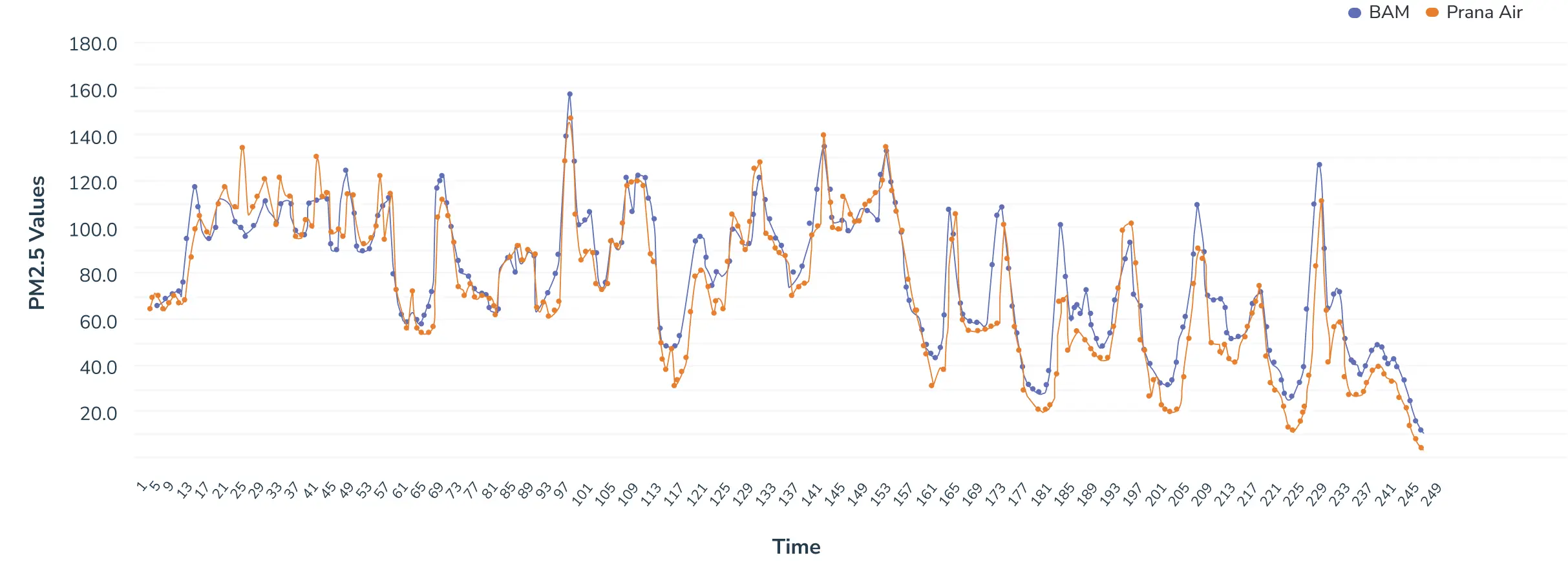
A full evaluation was carried out. In it, the Prana Air PM sensor was tested against the high-end Beta Attenuation Monitoring (BAM) system.
The results showed a strong match between the two. This confirms that our sensor comes close to reference-grade accuracy.
Used by Leading Groups Around the World










Industrial & Commercial
Applications
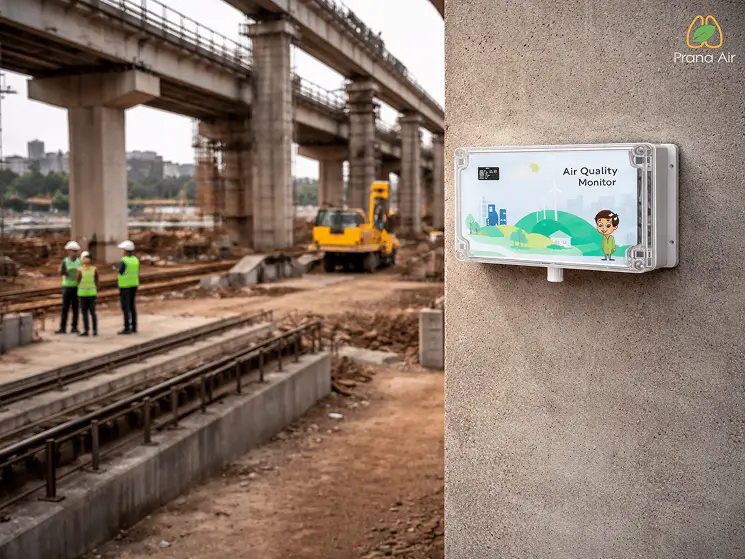
In Use on Construction Sites Worldwide
Our sensors are used at thousands of construction sites around the world to track particulate matter. This gives sites real-time air quality data, which helps them meet environmental rules and stay safe.
2000+
- Deployments

- Certified
Environmental Standards
Our Sensors Case Studies
Case Study By IIIT Hyderabad
Comparative Evaluation of New Low-Cost Particulate Matter Sensors
Study Brief : The paper tested our Prana Air device alongside other low-cost sensors for PM2.5 and PM10 readings. The team compared the results with the standard Aeroqual Series-500. Their problem with traditional devices was the high cost, the weight, and the frequent need for service, which limited their use in cities.
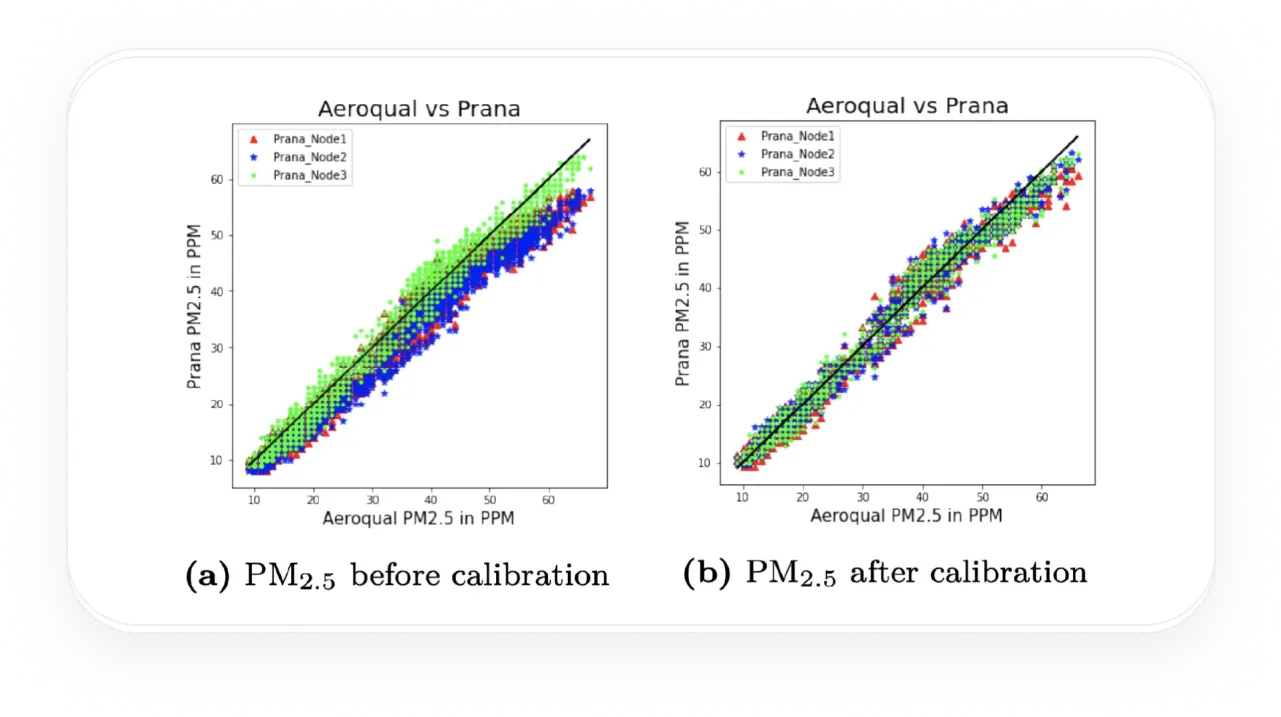
Note : The monitors update every 30 seconds. Our PM sensors have a resolution of ±1.0 micrograms per cubic metre, and our NO2 sensors have a resolution of ±1.0 ppb.
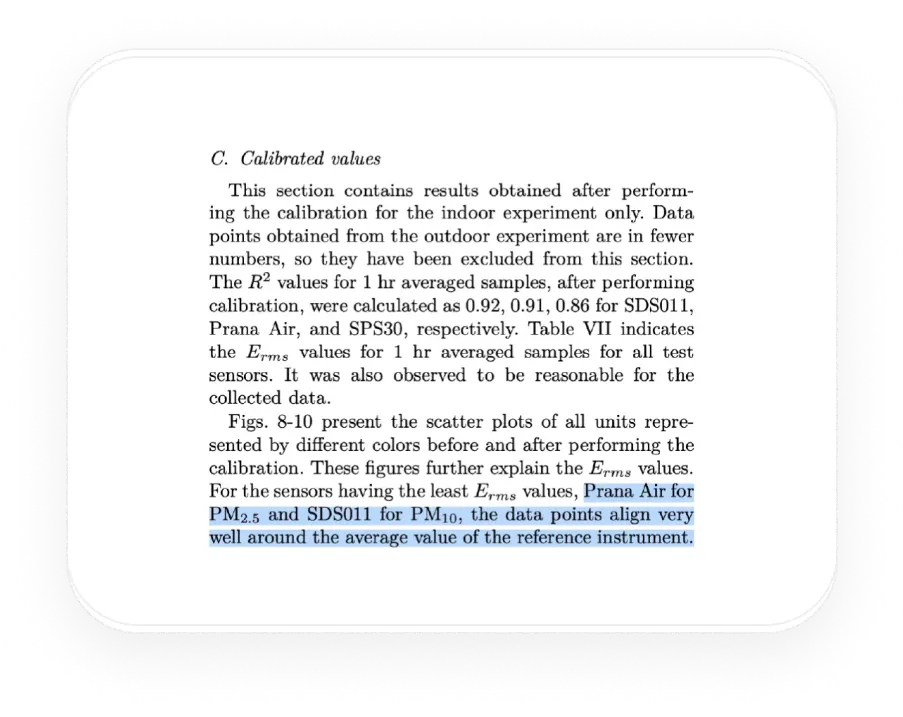
Find Full Study Here :https://ieeexplore.ieee.org/document/9590448
Case Study By NEERI (CSIR)
Performance‐based protocol for selection of Affordable and easy to carry sensor for air quality measurement
Study Brief : In this research, the team used our device in their Environmental Protection Sensors (EPS) assessment. They compared the factory calibration data with reference monitors. Their challenge was to find a sensor that was cheap enough but still accurate, sensitive, and good at handling data. In the end, Prana Air proved to be a reliable and low-cost choice.
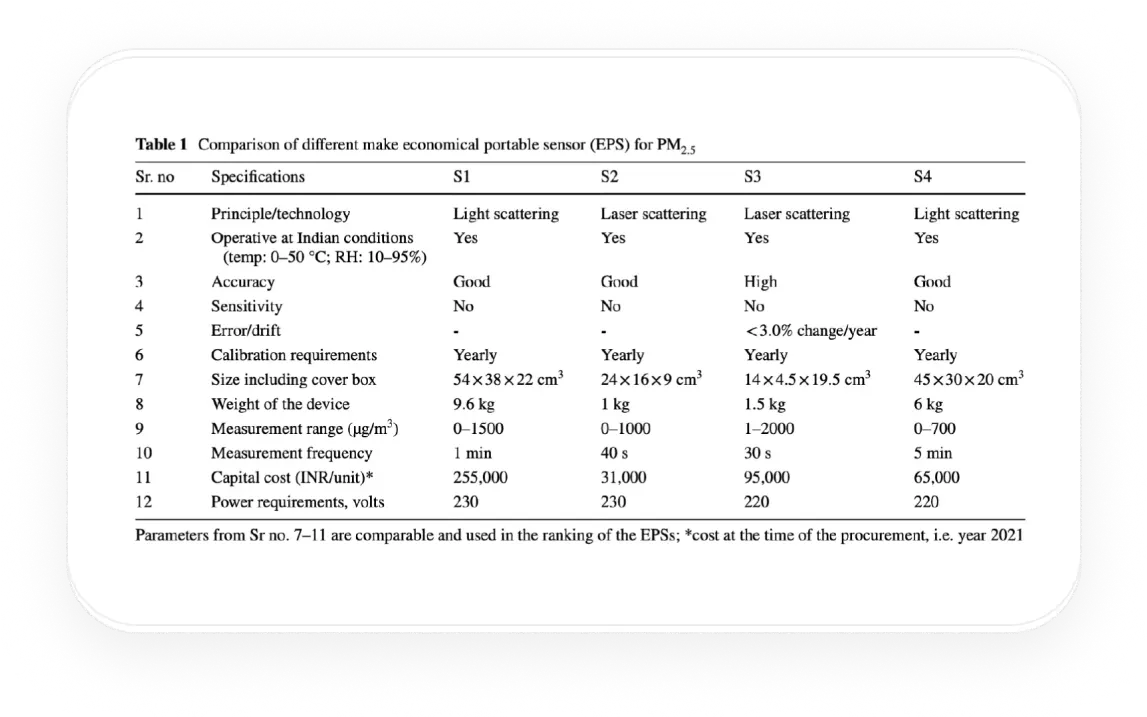
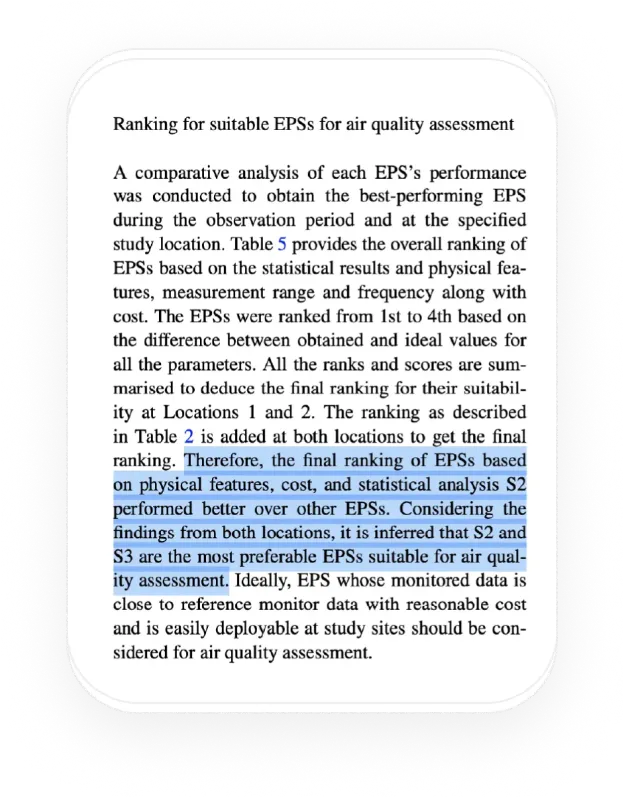
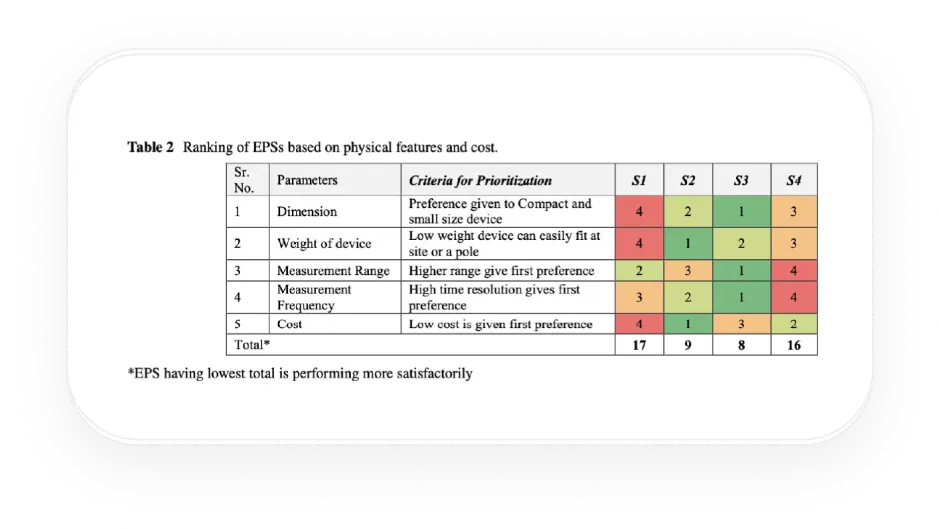
Find Full Study Here :https://pubmed.ncbi.nlm.nih.gov/37318651/f
How Particulate Matter Harms Health

Asthma and Breathing Triggers

Increased Risk of Lung Cancer

Respiratory Infections

Chronic Lung Diseases

Cardiovascular Health Issues
Technical Specifications
Model Name:
PAS-OUT-01
Rated Voltage:
5V
Communication Logic:
3.3 V
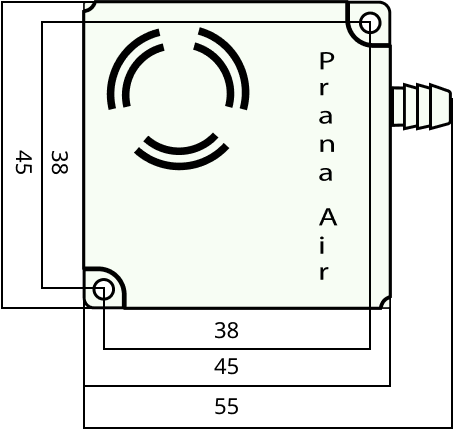
Dimensions (L x W x H):
4.5 x 4.5 x 2 cm
Particle Resolution:
0.3 µm
Storage Temp:
-20 to 85 °C
Operating Temp:
-20 to 70 °C
Operating Humidity:
0-99% RH (Non-condensing)
Rated Current:
70mA
Mass Resolution:
1 μg/m3
Outdoor Sensor Specifications
Indoor Sensor Specifications

Get in Touch
Talk to our experts about what you need for air quality monitoring, and find out about our bespoke solutions.

 Let’s Talk