












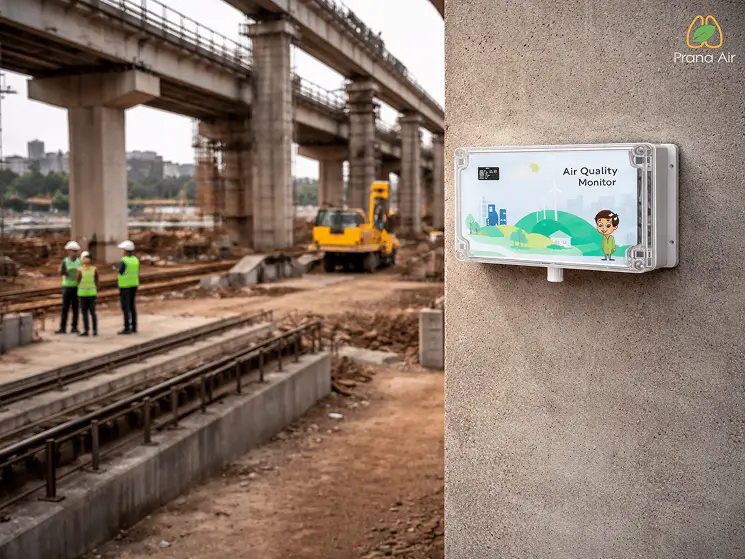







What is Nitrogen Dioxide NO₂?
Nitrogen, the element behind Nitrogen Dioxide (NO₂), makes up more than 70% of the air in our environment and is its most abundant gas. Road traffic and the burning of fossil fuels release poisonous NO₂ air pollution, which is harmful to humans, plants, and animals.
Sources Of Nitrogen Dioxide (NO2) Gas
NO₂ occurs in the environment in very small amounts, but our excessive use of resources and other activities are increasing nitrogen dioxide levels to a troublesome point. Both natural and man-made causes lead to the formation of NO₂ gas.
Natural causes include:
Volcanic eruptions and active volcanic sites.

Natural decay of waste used as fertiliser
Lightning strikes, which help to form NO₂ gas in the air.
Oceans
The man-made sources of Nitrogen Dioxide (NO2) gas include:
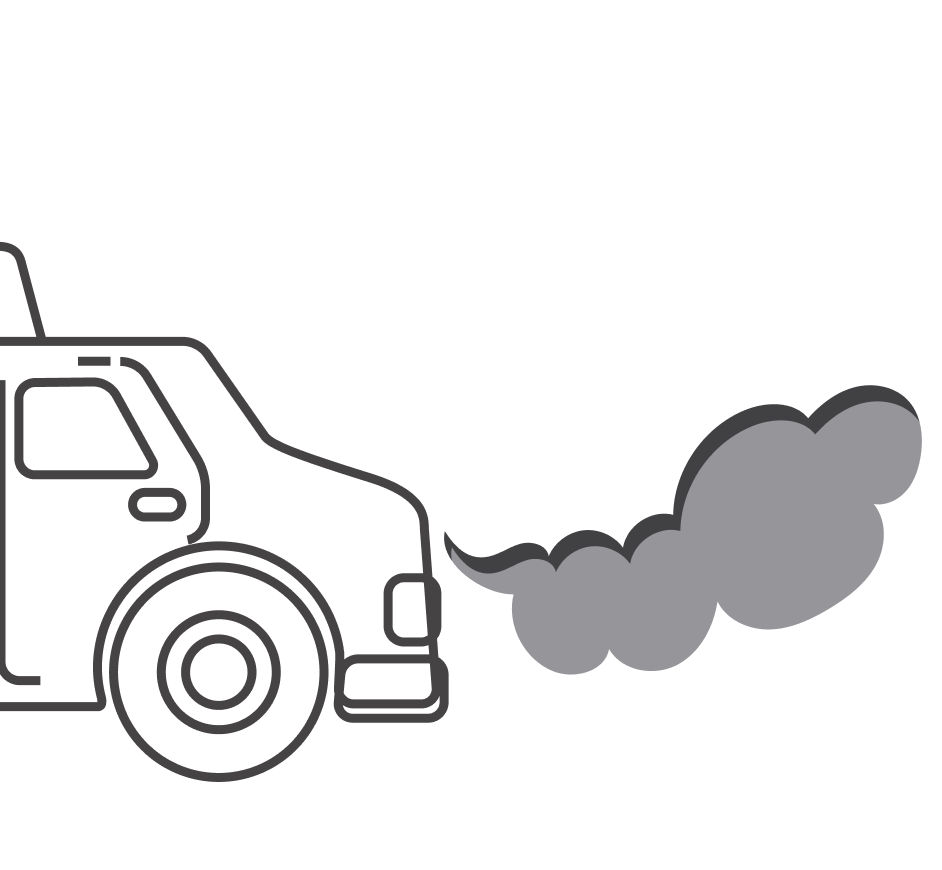
Car, truck, boat, and aeroplane emissions
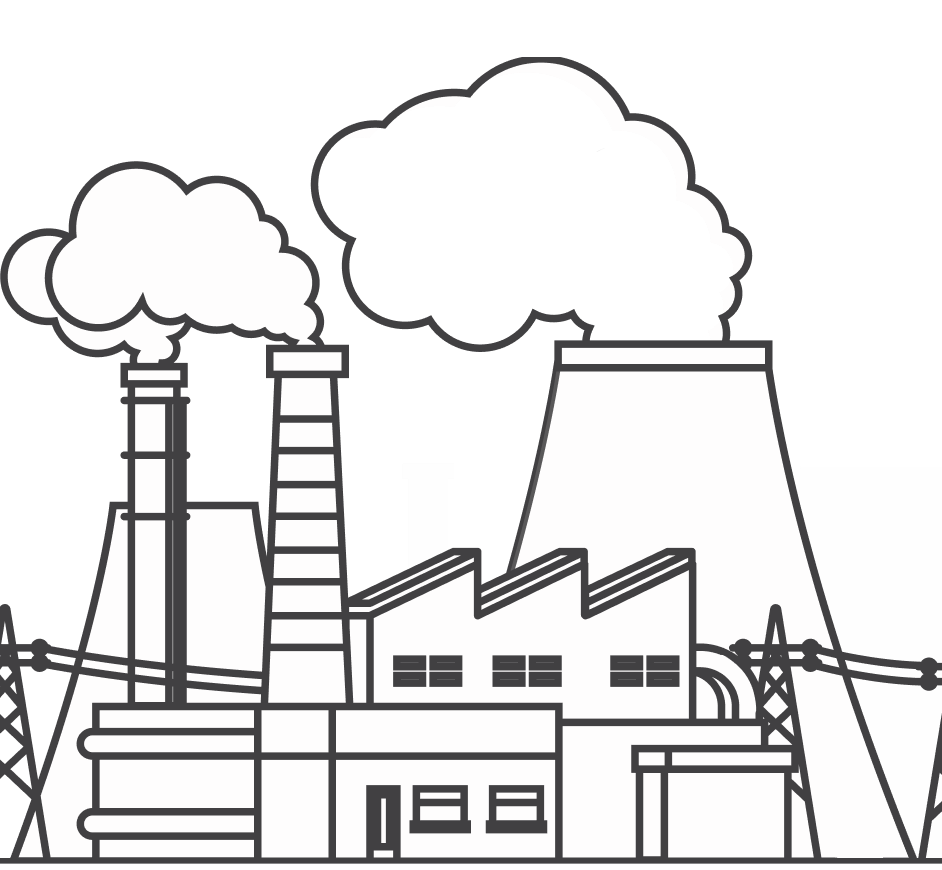
Power plants
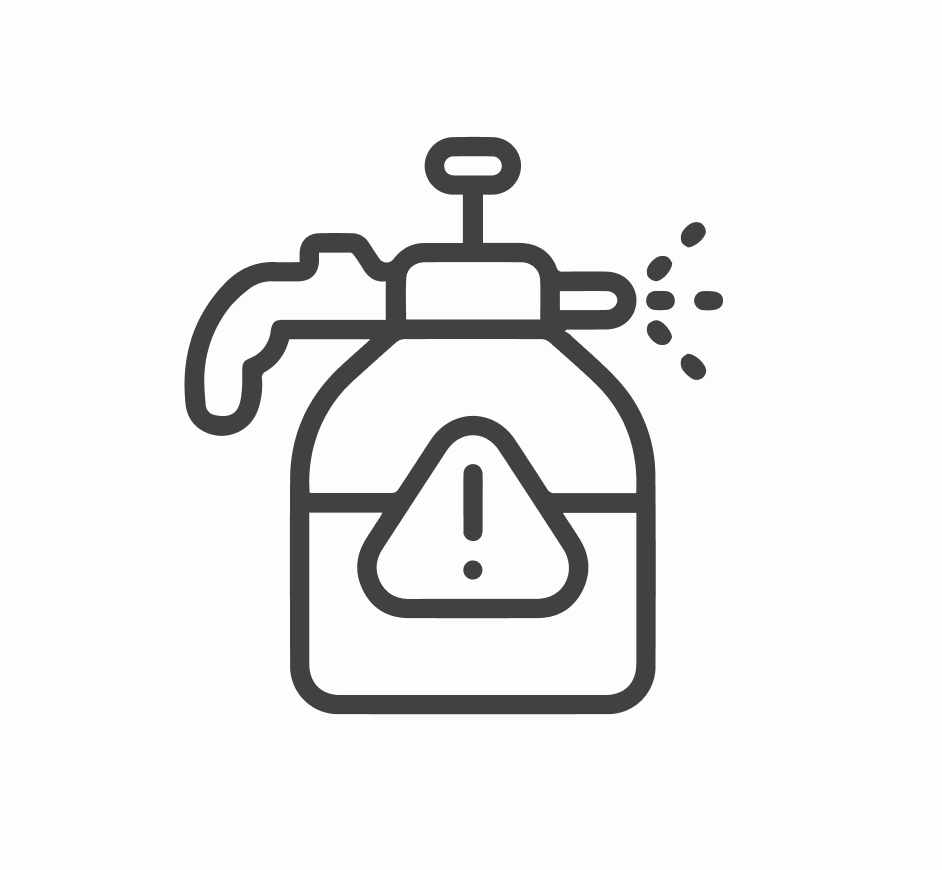
Ammonia-emitting fertilisers

Diesel-powered heavy machines

Kerosene and gas stoves
The main human source of nitrogen dioxide is the burning of fossil fuels, such as the fuel used in automobiles. Other sources are nitric acid production, welding, explosives, petrol and metal refining, and commercial and food processing.
Health & Environmental Impacts of NO₂ Gas
NO₂ belongs to the NOx group of highly reactive gases and is a brownish, acidic gas with a pungent odour. It reacts with O2 to form nitric acid, which causes corrosion, and it also contributes to the formation of other pollutants such as smog, PM, and acid rain. NO₂ accelerates flames but does not burn on its own.
Health Impacts Due to Nitrogen Dioxide (NO2)
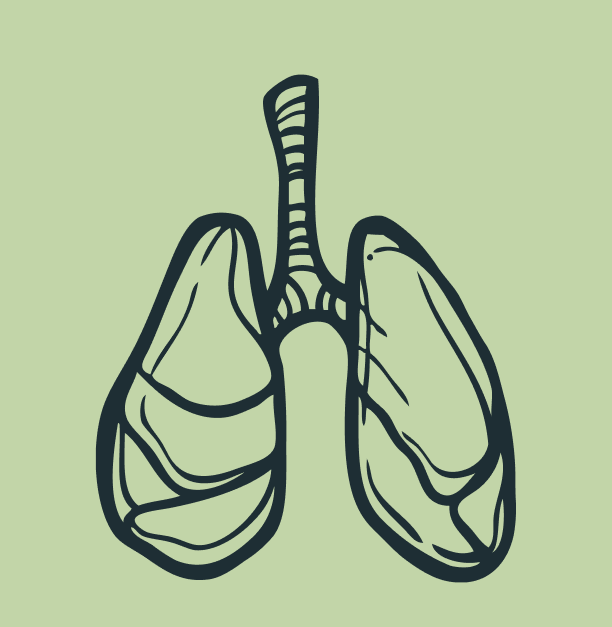
Altered lung function

Breathing problem
Asthma
Reduced immunity
Irritation in airways

Coughing, breathing difficulty, wheezing
Heart failure
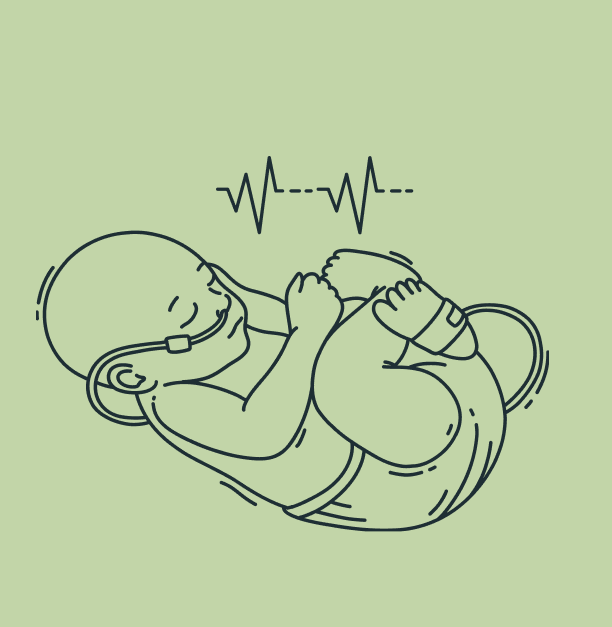
Low birth weight, higher risk of premature death
High levels of this gas can cause severe harm to the environment, including:

Hazy air (smog)
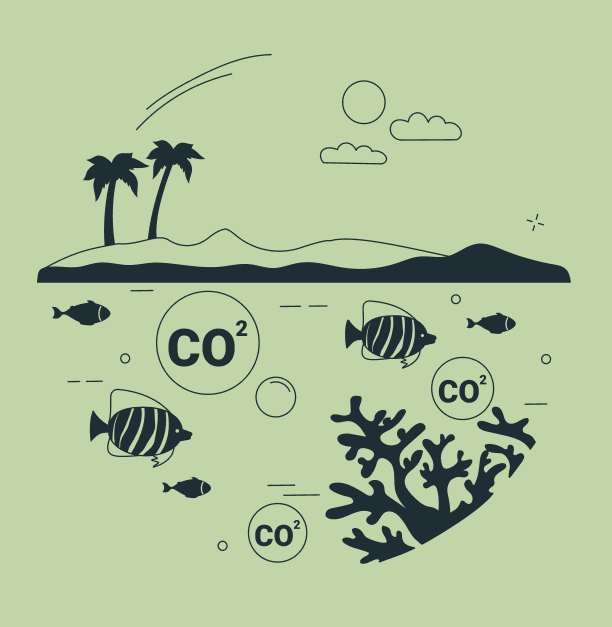
Polluting water

Forms ground-level O3
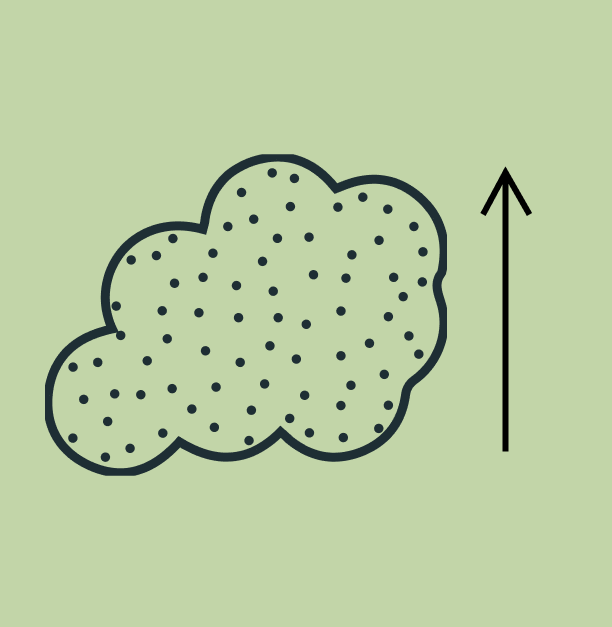
Increases PM levels
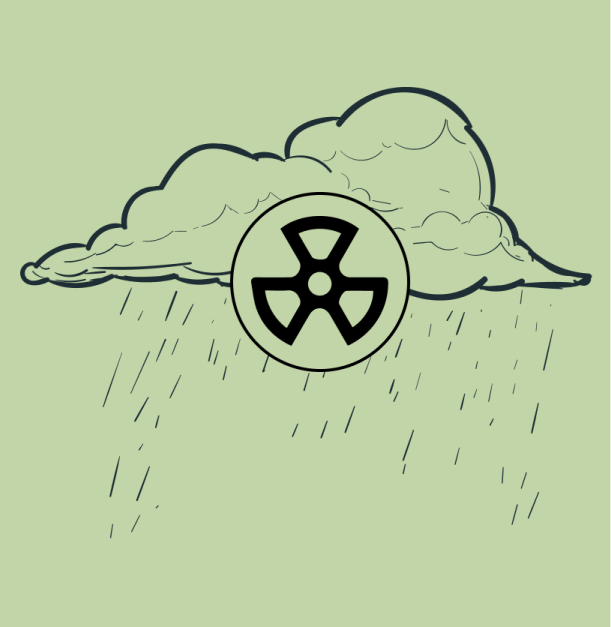
Acid rain, which forms when the gas mixes with moisture in the air

Harms vegetation and slows plant growth
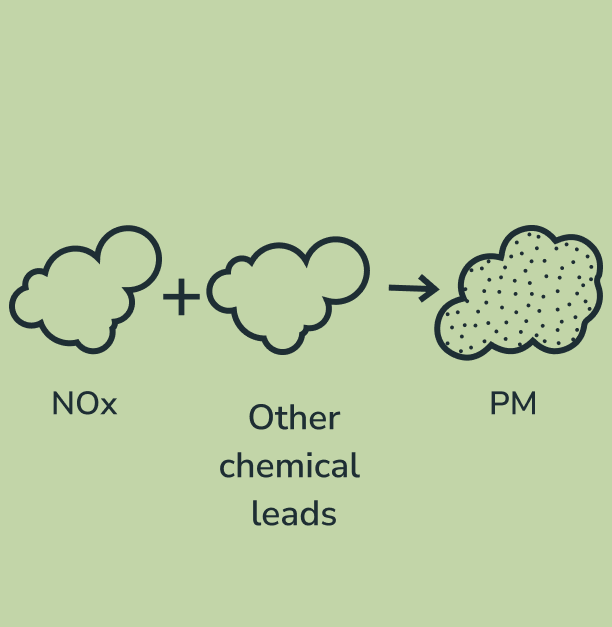
NOx + other chemicals react together to form PM.

Acts as a stressor to plants, which lowers their chlorophyll content.
Corrective Measures To Reduce Nitrogen Dioxide (NO2) Gas
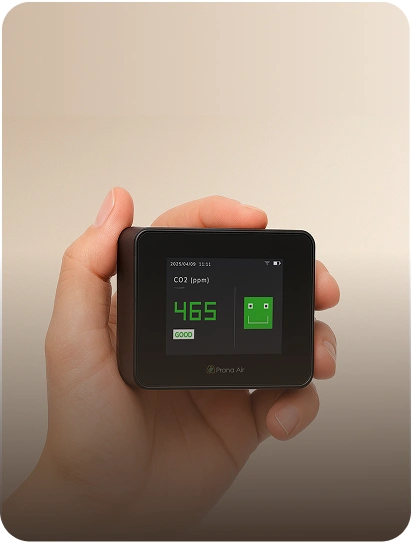
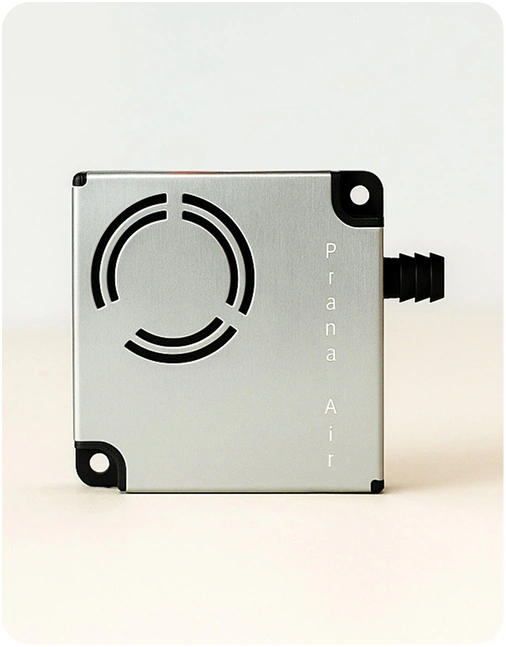
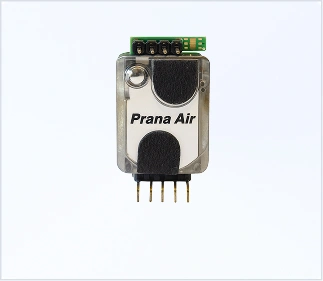
The first and most important step is to track the concentration of NO₂, and our Prana Air sensor and air quality monitors are very useful for this. Beyond that, there are some corrective steps that can help protect us from the breathing problems this gas can cause:
Vehicles with low emission rates can help us cut the amount of NO₂ produced
Alternate fuels, such as hydrogen cells and electric-powered cars, can help bring down the overall footprint of NO₂ production.
Avoid traffic congestion, and improve engines to be more efficient
Using public transport
Use a closed environment to make fertiliser, and process the gases that are produced during this work.
Nitrogen Dioxide (NO₂) and the harm it causes
NO₂ Levels and their health effects
0-40 (mg/m³)
41-80(mg/m³)
81-180(mg/m³)
181-280(mg/m³)
281-400(mg/m³)
400+(mg/m³)
Air quality sensor to measure NO₂
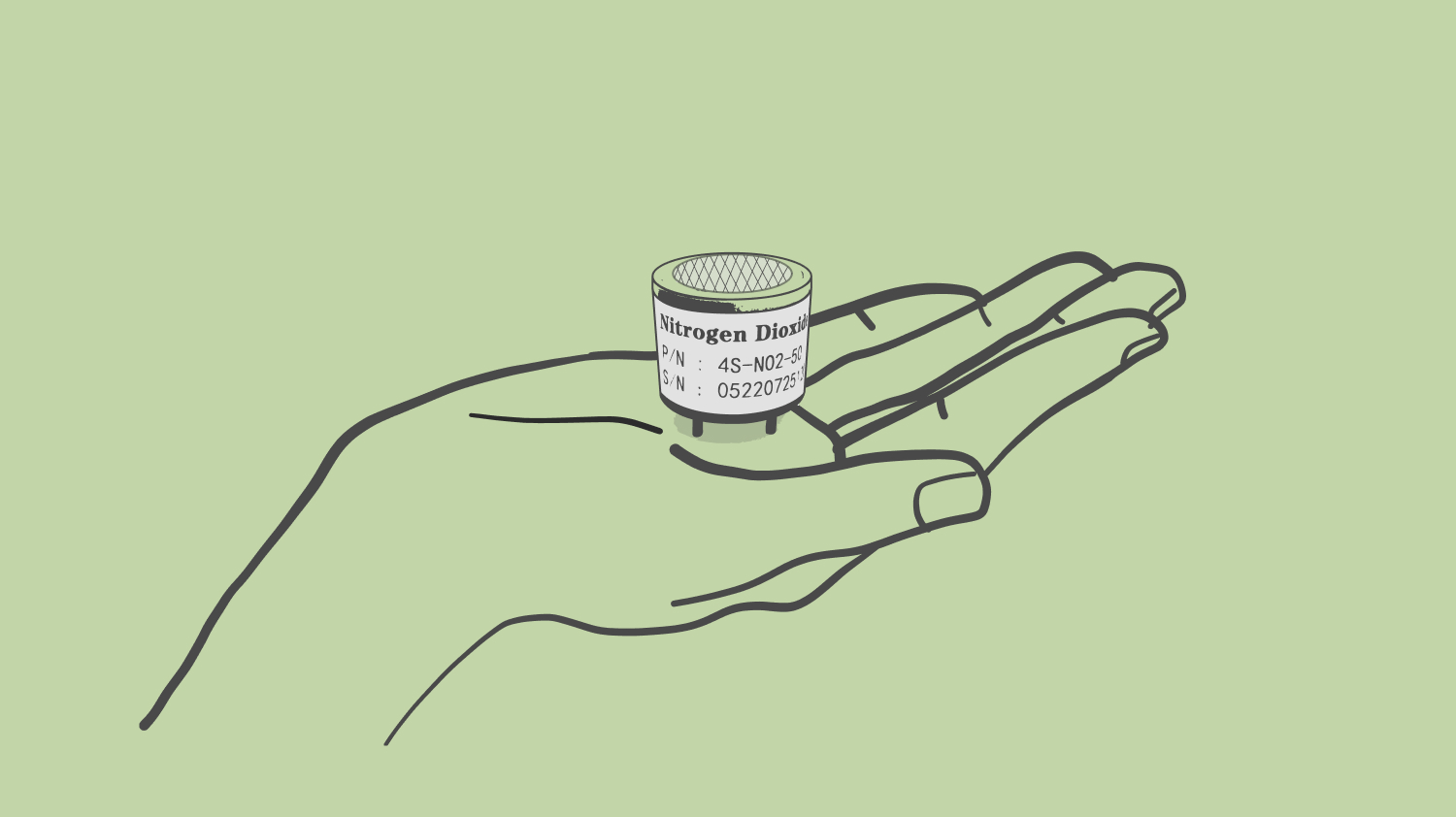
Choose Your Air Quality Monitor To Measure NO₂ Gas

 Let’s Talk