
















What is Sulfur Dioxide SO₂?
Sulfur Dioxide is a gas that pollutes the air, and it is made of two elements: sulfur and oxygen. It forms when fuels rich in sulfur burn, such as oil, diesel, or coal. Some sulfur dioxide is already part of the air we breathe, but it has many natural and man-made sources, so the SO2 level can rise. High levels can cause severe harm to people, plants, and the whole ecosystem.
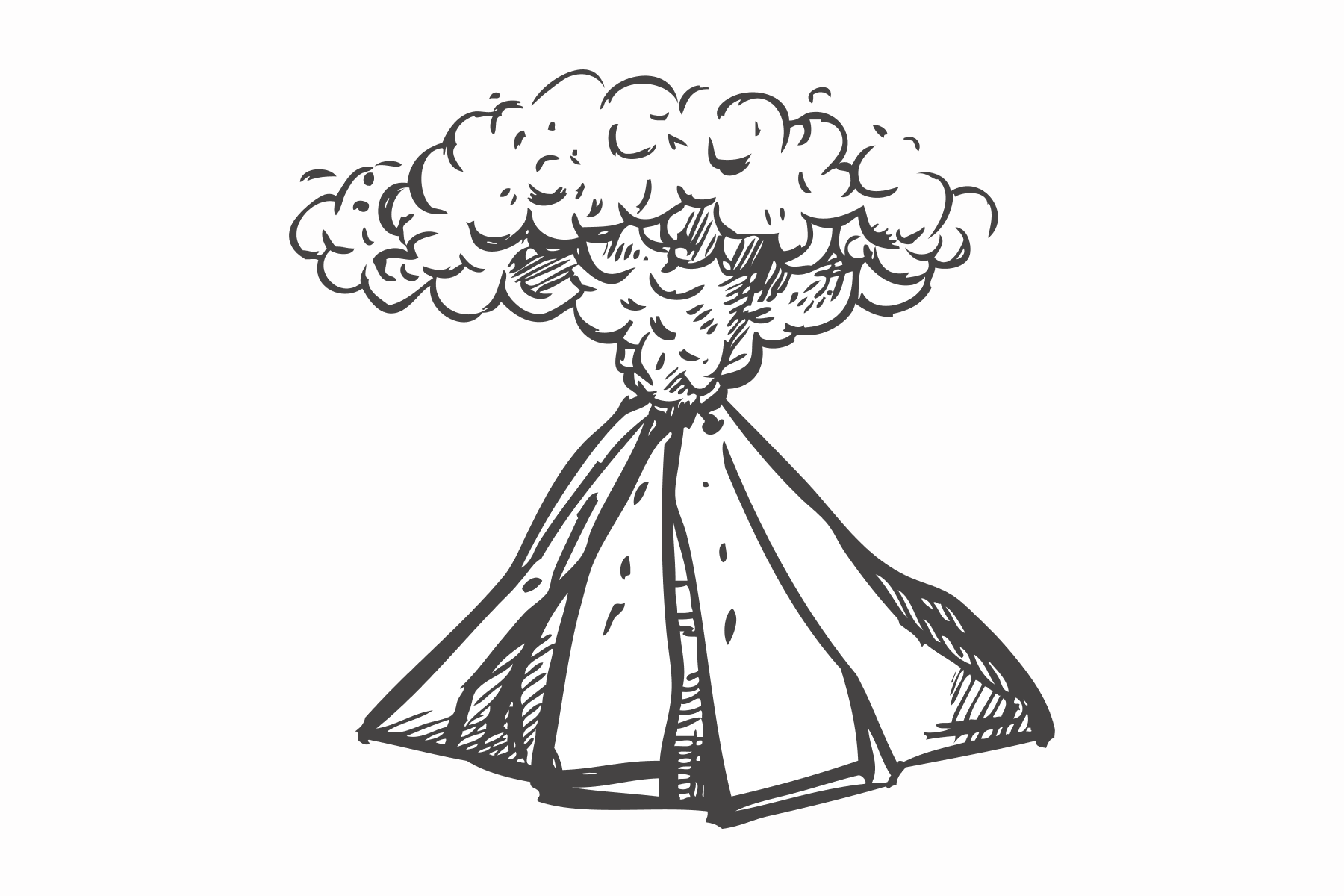
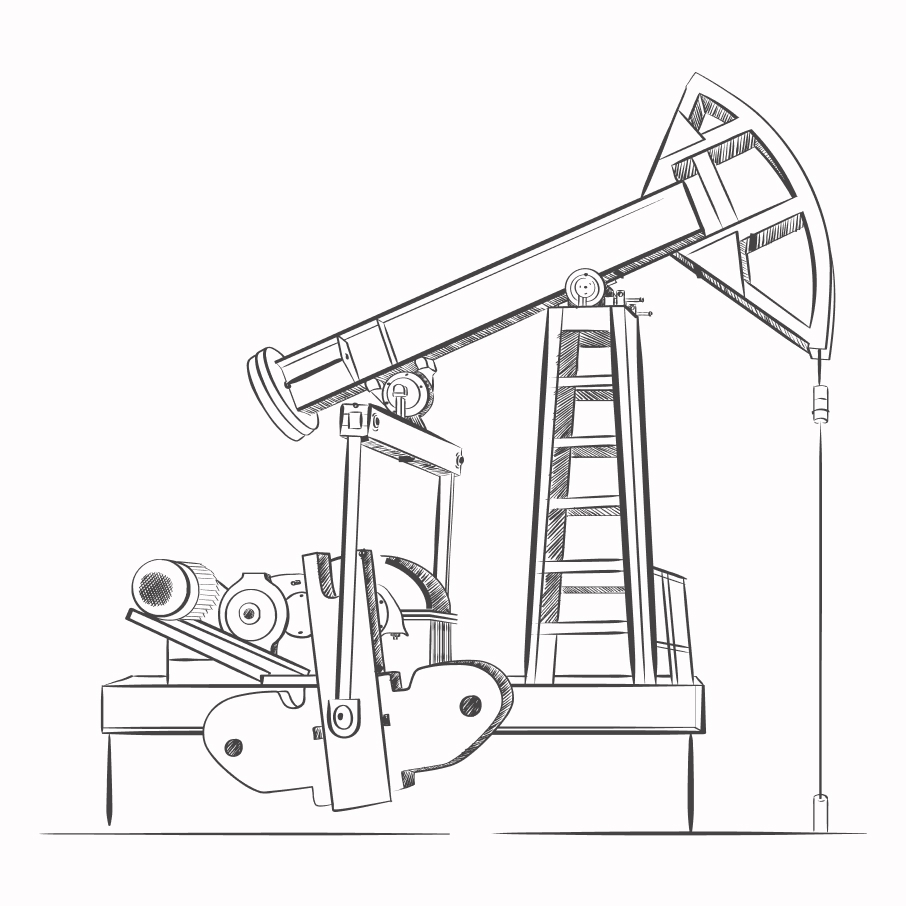
Sources Of Sulfur Dioxide Gas
SO₂ in the Atmosphere
Sulfur oxides are present in the atmosphere at low levels, and most of it comes from human activity, above all the burning of fuel. Ship fuel matters most, as it holds a high level of sulfur. In cities, high levels of sulfur oxides are found. Sulfur dioxide lasts less than a week in the atmosphere. In that time it reacts with other pollutants in the air and forms many different compounds. When SO2 reacts with the oxygen in the air, it forms sulfur trioxide, which dissolves in water vapour to form sulfuric acid (H2SO4), a major part of acid rain. The gas also attaches itself to dust particles and forms secondary pollutants such as smog and particulate matter. These are quite harmful to our health and to the environment.
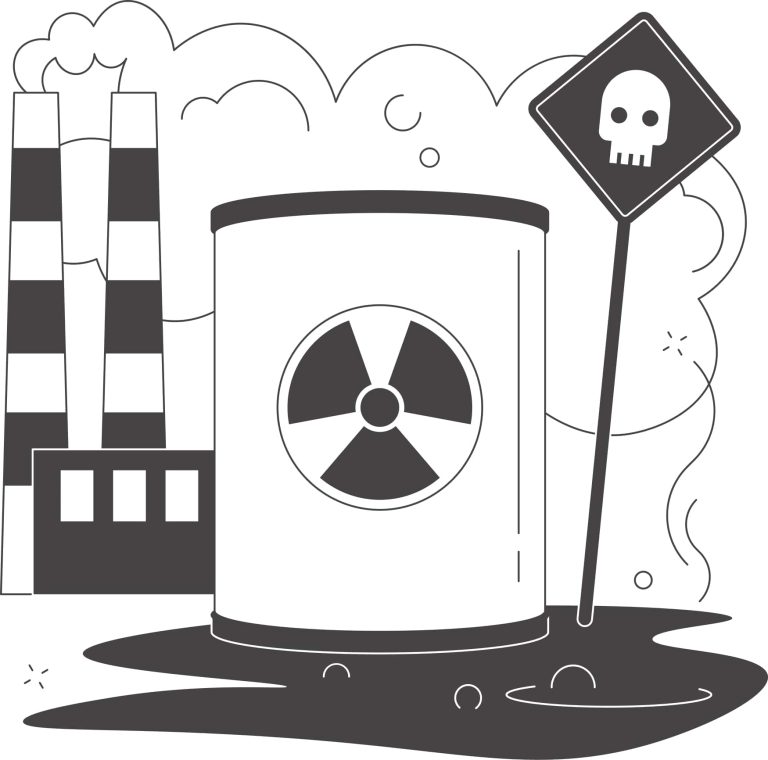
Health & Environmental Impacts of SO₂ Gas
Let's take a look at the ways sulfur dioxide gas can harm our health.
Health Impact
When SO₂ levels are high, you can easily breathe in SO₂, which then sticks to the lining of the nose and the respiratory tract. You may feel the short-term effects quite quickly. The long-term effects can be very serious and may even reduce lung capacity. The gas can make it hard to breathe and can tighten the airways. People who already have health conditions are at higher risk, as the gas can make those conditions much worse.

Eyes, nose, irritation

Cough, wheezing
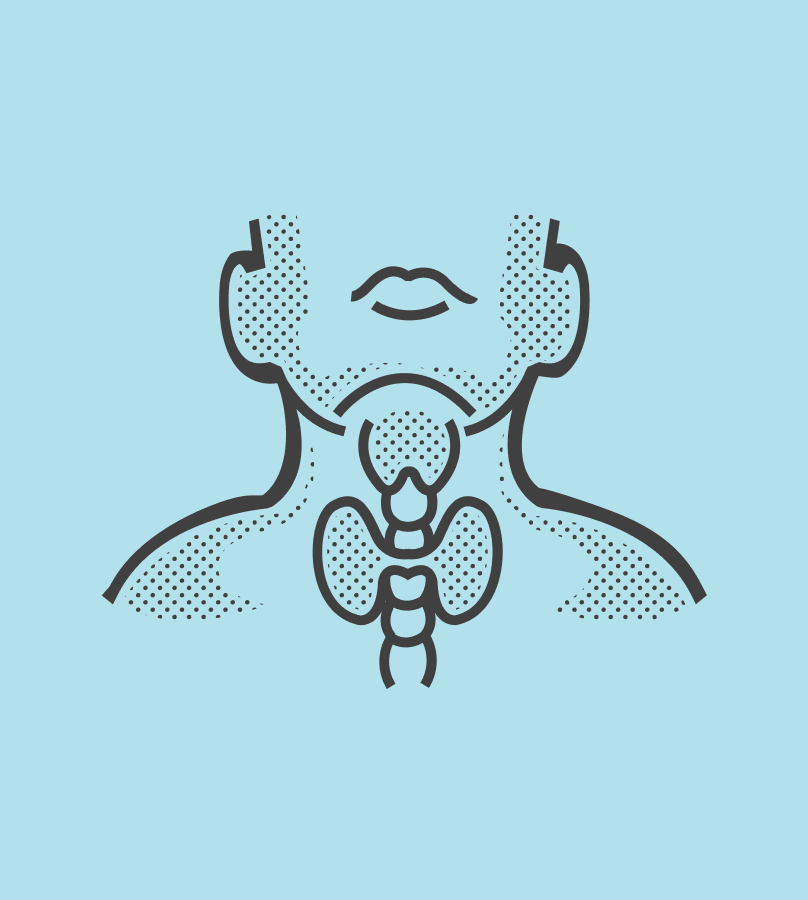
Inflammation and irritation of the airways
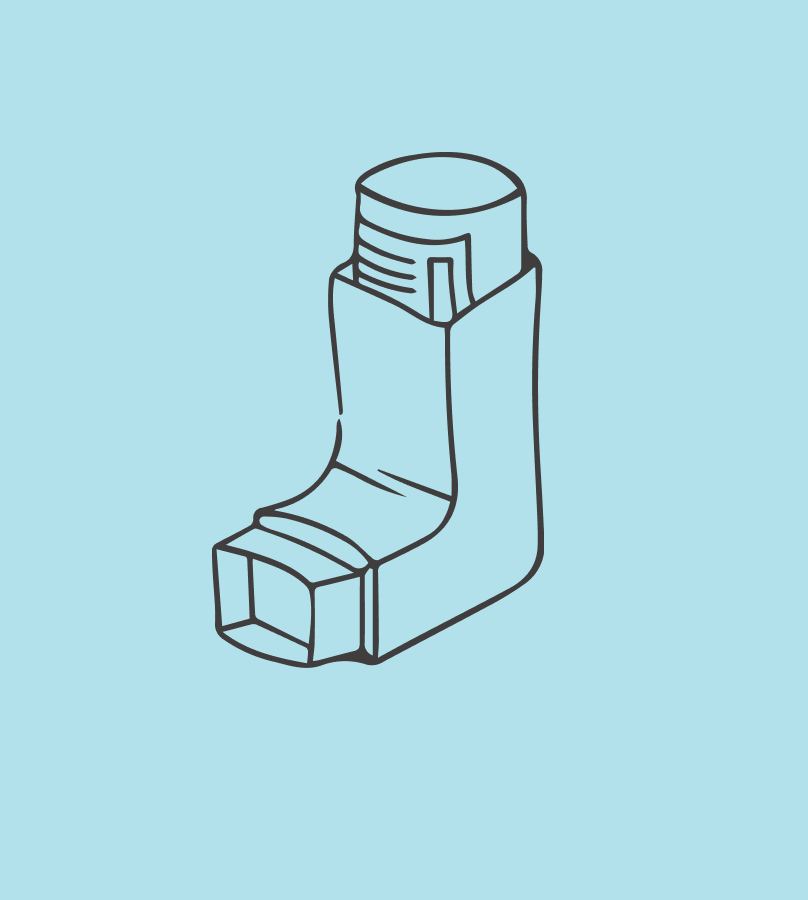
Higher risk of asthma attacks in children
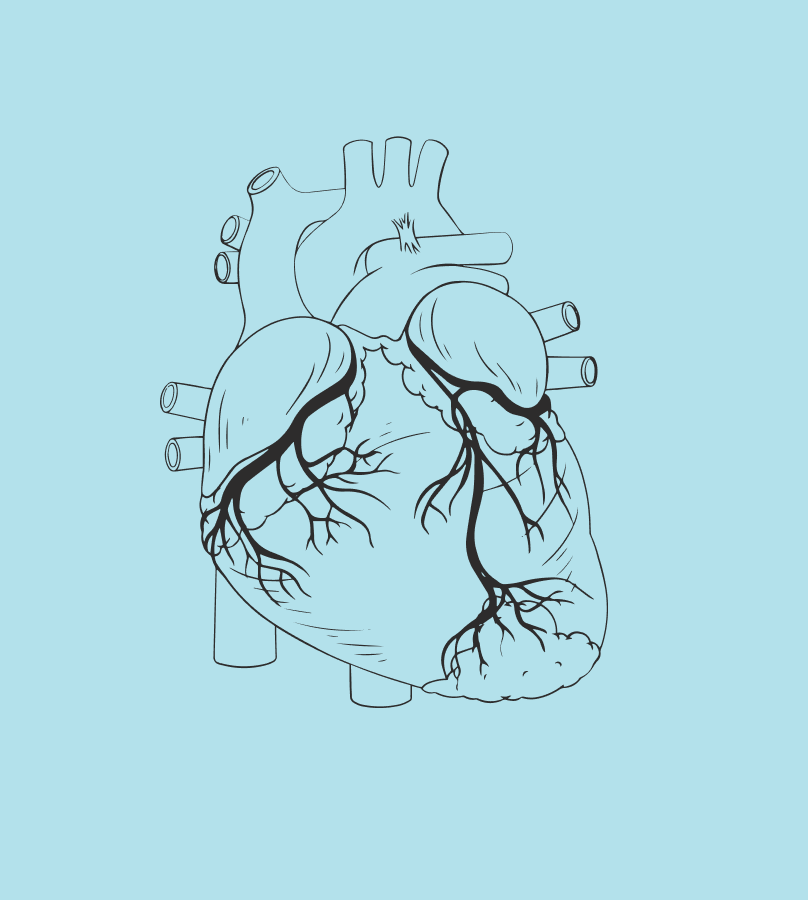
Heart diseases
Environmental Impact
The impact of SO₂ on the environment is hard to overstate. It limits plant growth and damages leaves, turning them yellow. At high levels in the atmosphere, it reacts with the moisture in the air to form an acidic compound, which causes acid rain and damages the properties of the soil.

It damages and stains stone, including monuments and statues of cultural value.
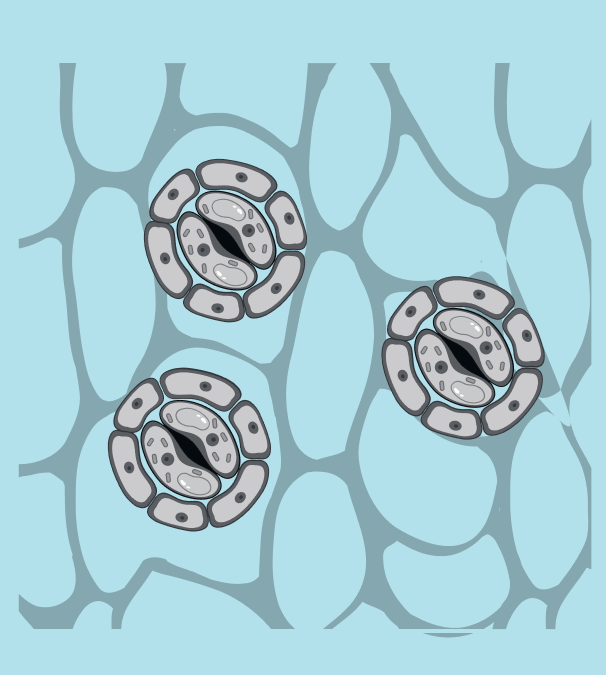
Slows plant growth by damaging exposed tissue in the leaves
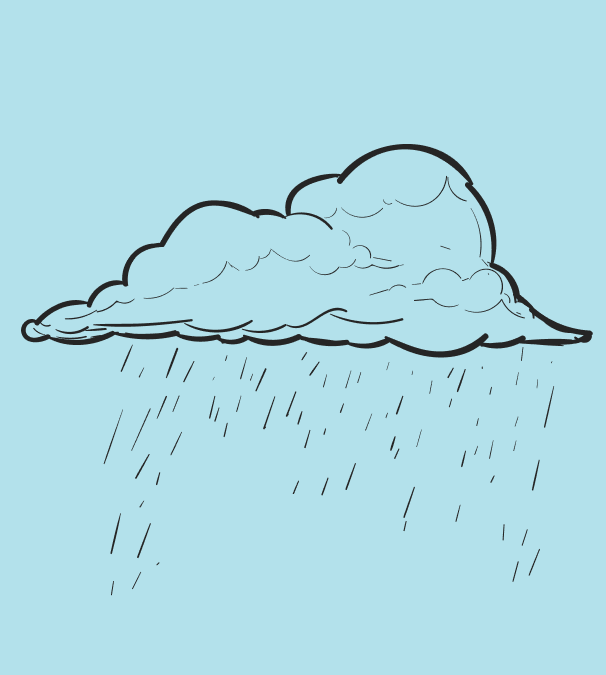
Higher chances of acid rain

Harms vegetation and the growth of plants

Lowers the quality and colour of leaves

Harms marine life by making waterways more acidic

Changes the properties of soil and agricultural land
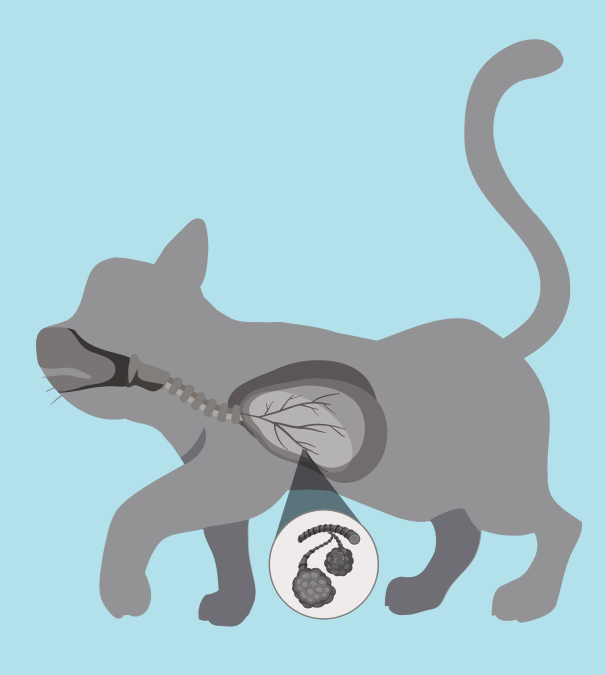
Damages parts of the lungs and causes inflamed airways in animals
Sulfur Dioxide (SO2) and the harm it causes
SO2 Levels and their health effects
0-40(mg/m³)
41-80(mg/m³)
81-380(mg/m³)
381-800(mg/m³)
801-1600(mg/m³)
1600+(mg/m³)
Corrective Measures To Reduce SO₂ Gas
To control SO₂ levels, we first need to monitor the gas and find the areas where its level does not meet the recommended standards. Once we have found the target areas, we can then put some of the corrective measures listed below into place:

– Promote sustainable energy sources. Using water, wind, and solar energy, and so on, in place of fossil fuels reduces SO2 emissions along with other pollutants at the same time.

– Switch to alternative fuels like hydrogen cells, electric power, and so on. This helps cut the emissions from burning fossil fuels, which give off SO2. Air pollution can drop a great deal when we use alternative fuels.

– Housing away from industrial areas helps reduce the effects of air pollution and harmful substances on the people who live there, and this matters most for sensitive groups who live near industrial areas.

– Switch to a renewable source of energy such as solar, wind, and hydropower. Air pollution and economic growth go hand in hand. Using renewable sources of energy would be a cost-effective way to cut emissions.

– Using fuels with zero sulfur content in cars and other vehicles helps reduce ambient air pollution. Cutting the sulfur in fuel also helps cut tailpipe HC, CO, and NOx emissions.

– Avoid exercise on high-pollution days, as when you work out you breathe in more O2 than normal, along with other air pollutants. So you take in more air pollution when you work out on days when pollution is high.
– Fit power plants with scrubbers. A smokestack scrubber helps collect the harmful chemicals and toxins, and then releases clean air into the atmosphere through the smokestack.
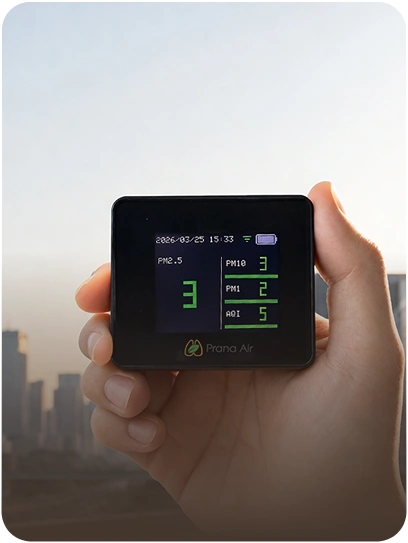
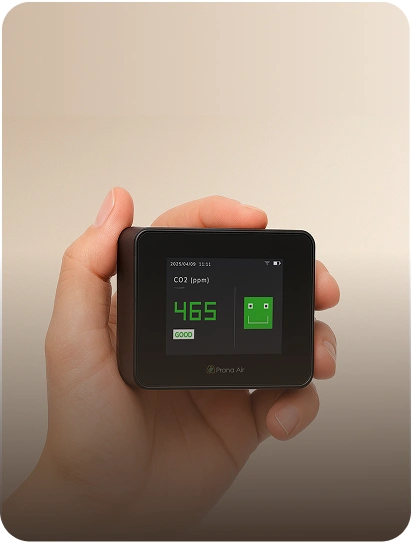
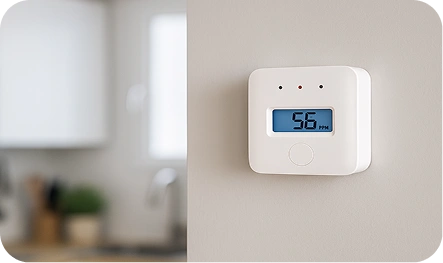
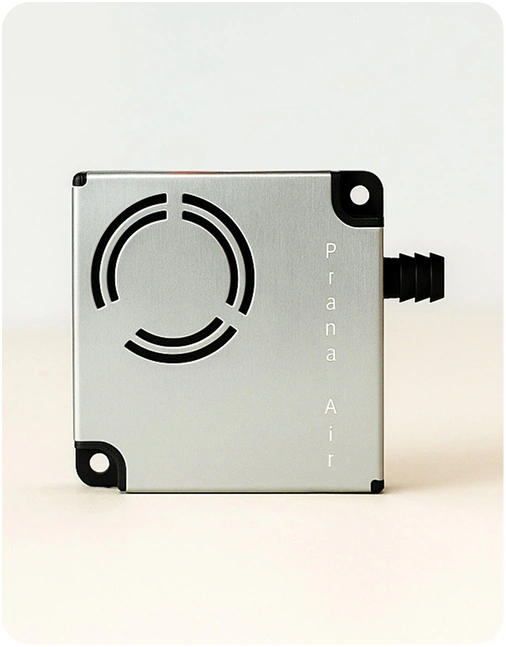
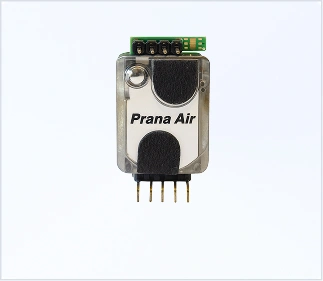
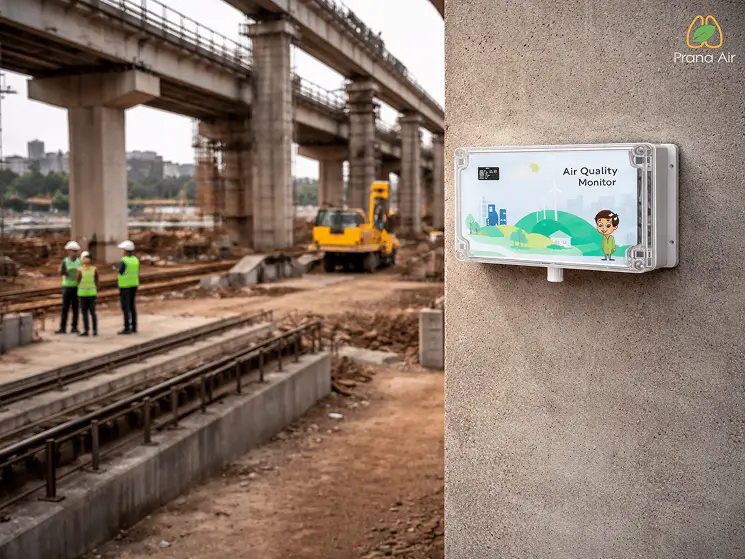
Air quality sensor to measure SO₂
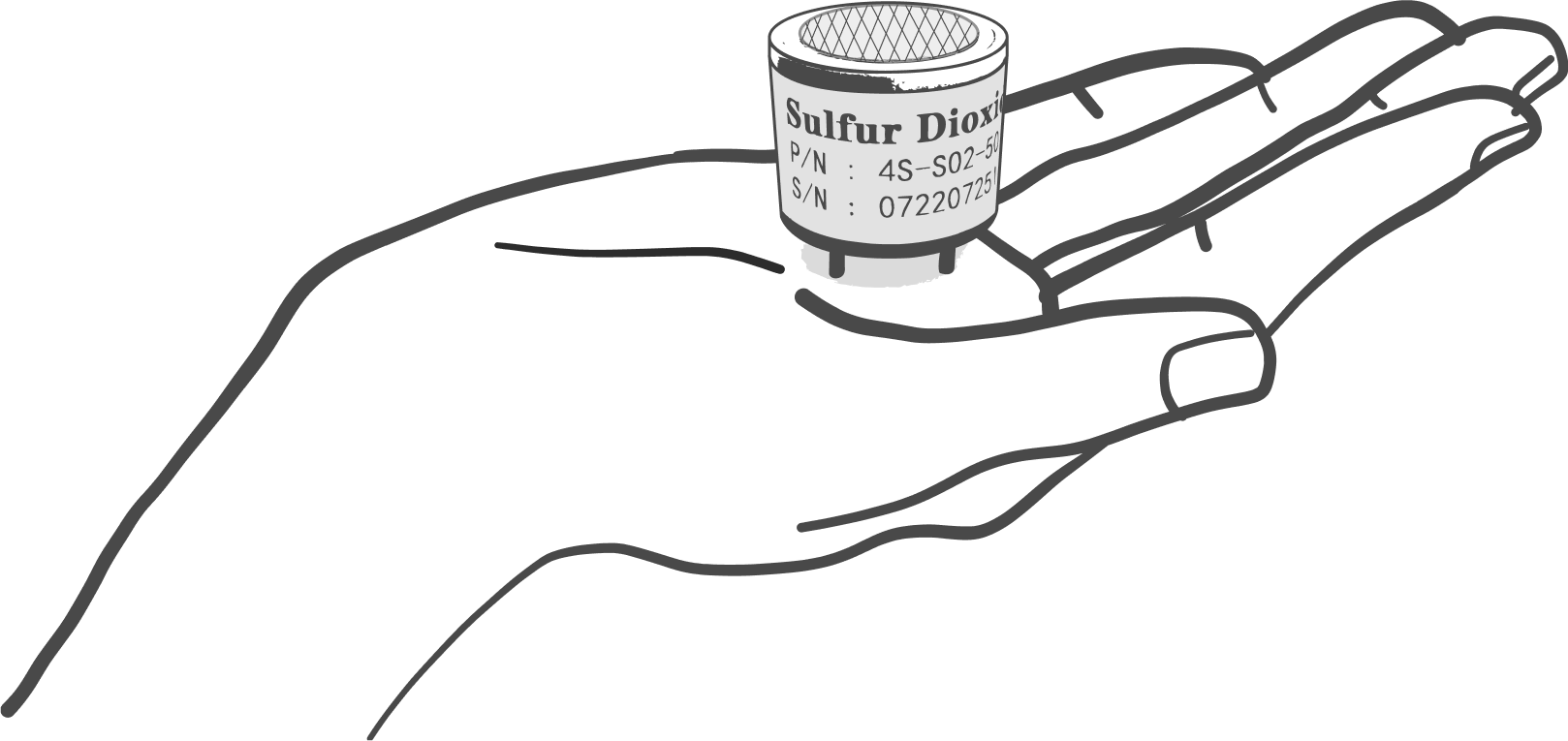
Choose Your Air Quality Monitor To Measure SO₂ Gas
 Let’s Talk