 Anwesha
When people in India think of air pollution, they usually imagine outdoor smog, vehicle emissions and rising PM2.5 levels. But what often gets ignored is that the air inside our homes can be just as polluted, sometimes even worse. Limited ventilation, cooking fumes, dust, humidity, incense and pet dander allow pollutants to accumulate indoors, especially in compact urban homes. This is why so many people are now asking whether houseplants can improve indoor air quality in a meaningful way.
A recent experiment by a teenager in California has once again sparked interest by suggesting that English ivy might reduce certain biological pollutants indoors. But can houseplants really improve indoor air quality in Indian households or is the hype misleading? Let’s look at the science and the reality.
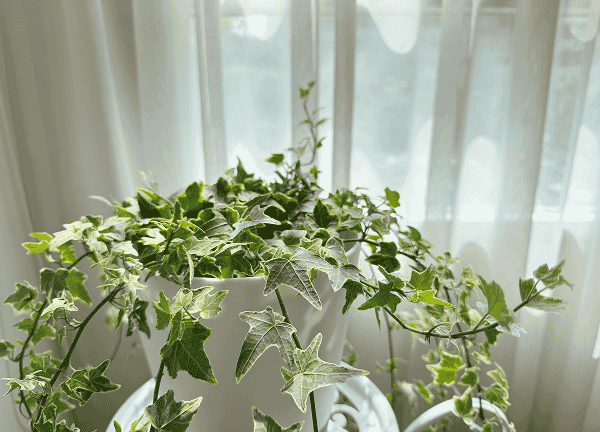
What the Experiment Showed
In the viral experiment, a student placed mouldy bread and dog waste inside a sealed container. After adding a potted English ivy plant and waiting 12 hours, the results reportedly showed:
- 78% reduction in mould levels
- 94% reduction in microscopic faecal particles
These pollutants, known as bioaerosols, include tiny airborne particles from microbes, pets, damp areas and organic waste. They can trigger allergies, asthma and other respiratory symptoms.
The dramatic results immediately caught attention, but they also raised questions about whether similar results are possible in real lived-in homes.

How Plants May Influence Indoor Air Quality
Several natural processes may help houseplants improve indoor air quality in small or controlled spaces:
- Passive Dust Collection
Leaves act as surfaces where dust and particles settle. - Soil Microbes Breaking Down VOCs
Studies in Frontiers in Built Environment suggest soil microbes can break down certain volatile organic compounds from furniture, paints and cleaning agents. - Humidity Regulation
Plants help stabilise indoor humidity, which may indirectly reduce mould formation.
These mechanisms show that plants can contribute to a healthier indoor micro environment.
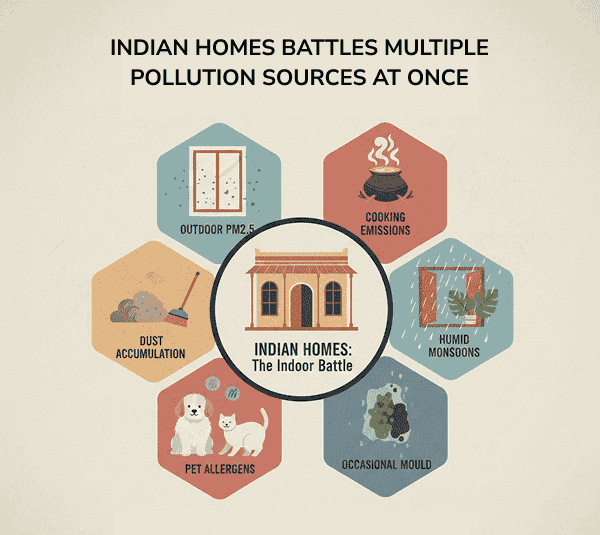
Why This Matters in India
Indian homes typically battle multiple pollution sources at once:
- Outdoor PM2.5 entering through windows
- Cooking emissions
- Incense sticks, candles and diyas
- Dust accumulation
- Humid monsoons
- Pet related allergens
- Occasional mould growth
In such conditions, even partial reduction of specific pollutants like bioaerosols can be helpful for households with children, elderly members or anyone with asthma.
Important Limitations
Despite their benefits, houseplants cannot single handedly improve indoor air quality at the level Indian homes usually require.
Large organisations, including the American Lung Association, note that:
- Most experiments are conducted in sealed environments
- You would need dozens of plants per room for measurable results
- Plants do not remove PM2.5 or smoke
- Plants cannot effectively filter gases like NO2 or SO2
This is why experts recommend using plants as a supplementary element, not the primary solution.
What Actually Works Best
In India, the most effective indoor air strategy combines multiple tools:
- A HEPA based air purifier for PM2.5, PM10 and smoke (Explore Prana Air’s HEPA filtration systems: https://www.pranaair.com/in/fresh-air-machine/)
- Ventilation during lower AQI hours
- Humidity control to reduce mould
- Regular cleaning and dusting
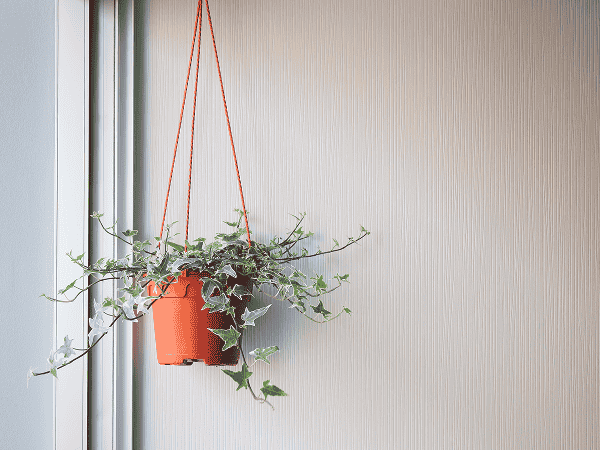
- Indoor plants to complement other measures
- Real time air quality monitoring (Check Prana Air’s smart AQI monitors: https://www.pranaair.com/in/air-quality-monitor/)
This layered approach targets different pollutants instead of relying on one method alone.
Using Plants Effectively
If you want to enhance your indoor environment with plants:
- Choose hardy, low maintenance species like areca palm, pothos, money plant and snake plant
- Avoid overwatering to prevent mould
- Clean leaves so they continue collecting dust
- Ensure adequate indirect sunlight
- Check plant toxicity if you have pets or small children
Beyond air quality benefits, plants also improve mood, aesthetics and indoor comfort.
The Key Takeaway
The viral experiment is exciting and shows that plants can reduce certain pollutants in controlled conditions. However, for Indian homes dealing with PM2.5, cooking smoke, dust and seasonal humidity, houseplants work best as part of a larger strategy designed to improve indoor air quality instead of functioning alone.
Final Word
Indoor air pollution is a growing concern across India. While plants add beauty and support indoor wellness, the foundation for truly clean air lies in understanding your environment and using proven tools alongside natural ones. This balanced approach will genuinely improve indoor air quality for your home and your family.

 Gyane Haobijam
 Shikha Sharma