










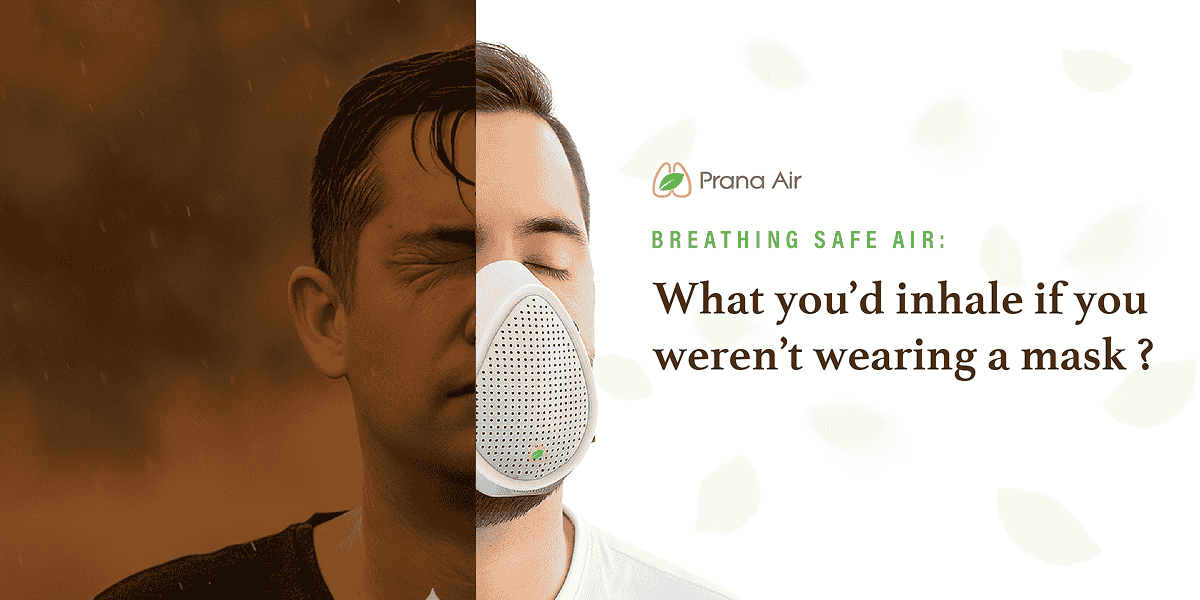
City air has become extremely good at pretending to be harmless. A bright morning convinces you that you’re breathing safe air, yet the worst pollutants today are the ones you never see. PM2.5 drifts through the environment quietly, even when visibility looks perfect. You step out thinking the air feels fresh, but by evening your throat feels dry or your eyes sting a little. Because the day never looked polluted, the connection doesn’t register. That’s how invisible pollution works: it affects you first and explains itself later.
The Invisible Stuff You’re Actually Breathing
Unlike the dramatic smog of winters past, everyday pollution now works in the background. PM2.5 is tiny enough to slip into the lungs unnoticed, and it doesn’t cause loud symptoms. Instead, it shows up as subtle heaviness, slower mornings, or a faint headache that seems unrelated to anything. Many people chalk it up to routine stress or lack of sleep, but the truth is simpler, you weren’t breathing safe air through most of the day. The body recognises the impact long before the mind does.
What Masks Actually Do
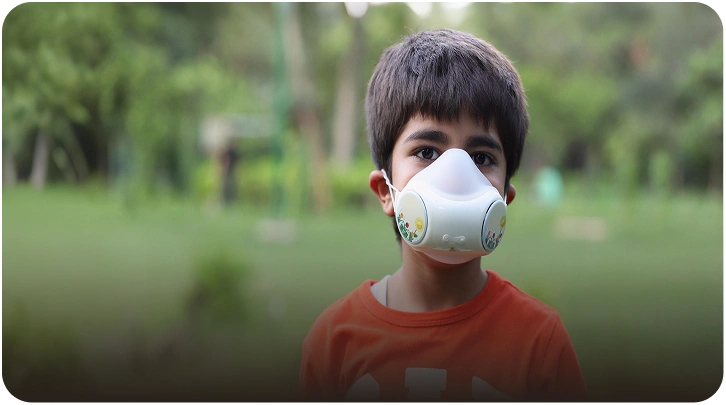
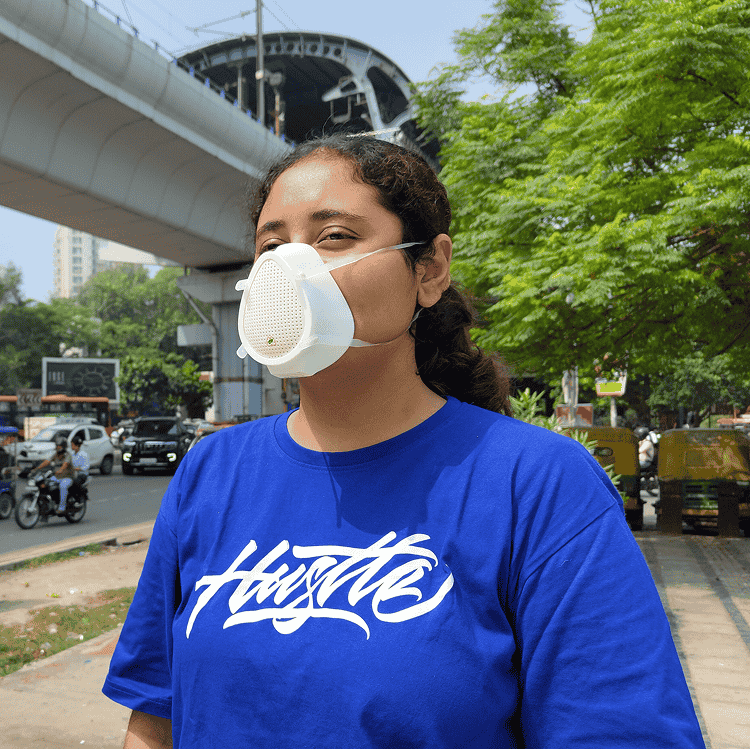
Masks don’t reduce AQI. They don’t change outdoor air. What they do is reduce the amount of polluted air that reaches your lungs. When particulate levels are high, filtration makes a meaningful difference in exposure. This is why two people standing in the same street can experience the day very differently.
Some prefer basic multilayer masks, but longer commutes or heavy traffic often push people toward motorised or high-efficiency options like the ones from Prana Air (https://www.pranaair.com/air-mask/). The goal isn’t to make the city clean — it’s to make your intake cleaner, helping you get closer to breathing safe air even when conditions outside aren’t.
What You’re Inhaling Without a Mask
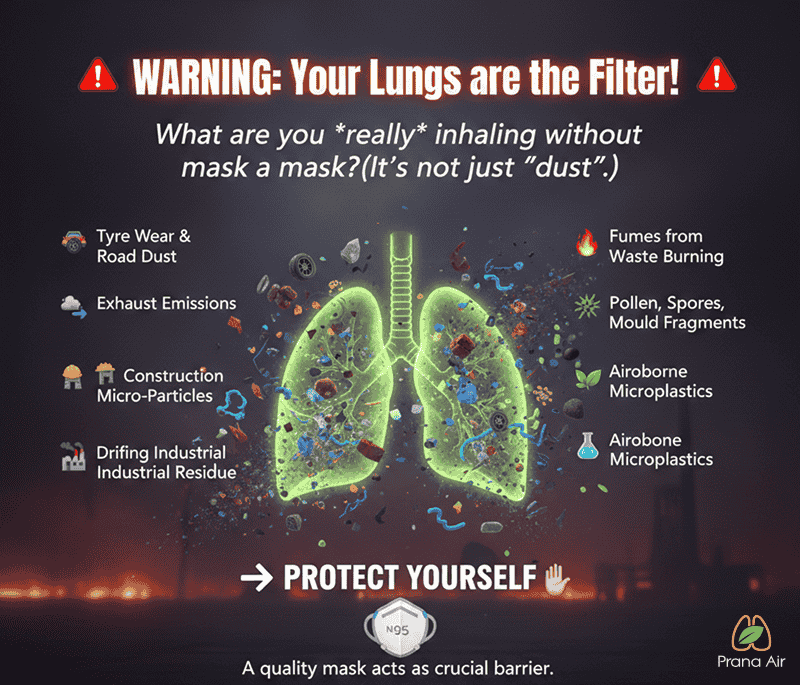
Without protection, every inhale brings in a collection of pollutants that rarely appear visible. And it’s not just “dust.” A realistic mix looks like this:
- tyre wear and road dust
- exhaust emissions
- micro-particles from construction
- drifting industrial residue
- fumes from waste burning
- pollen, spores, mould fragments
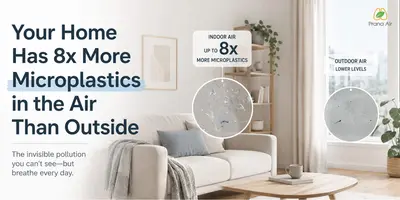
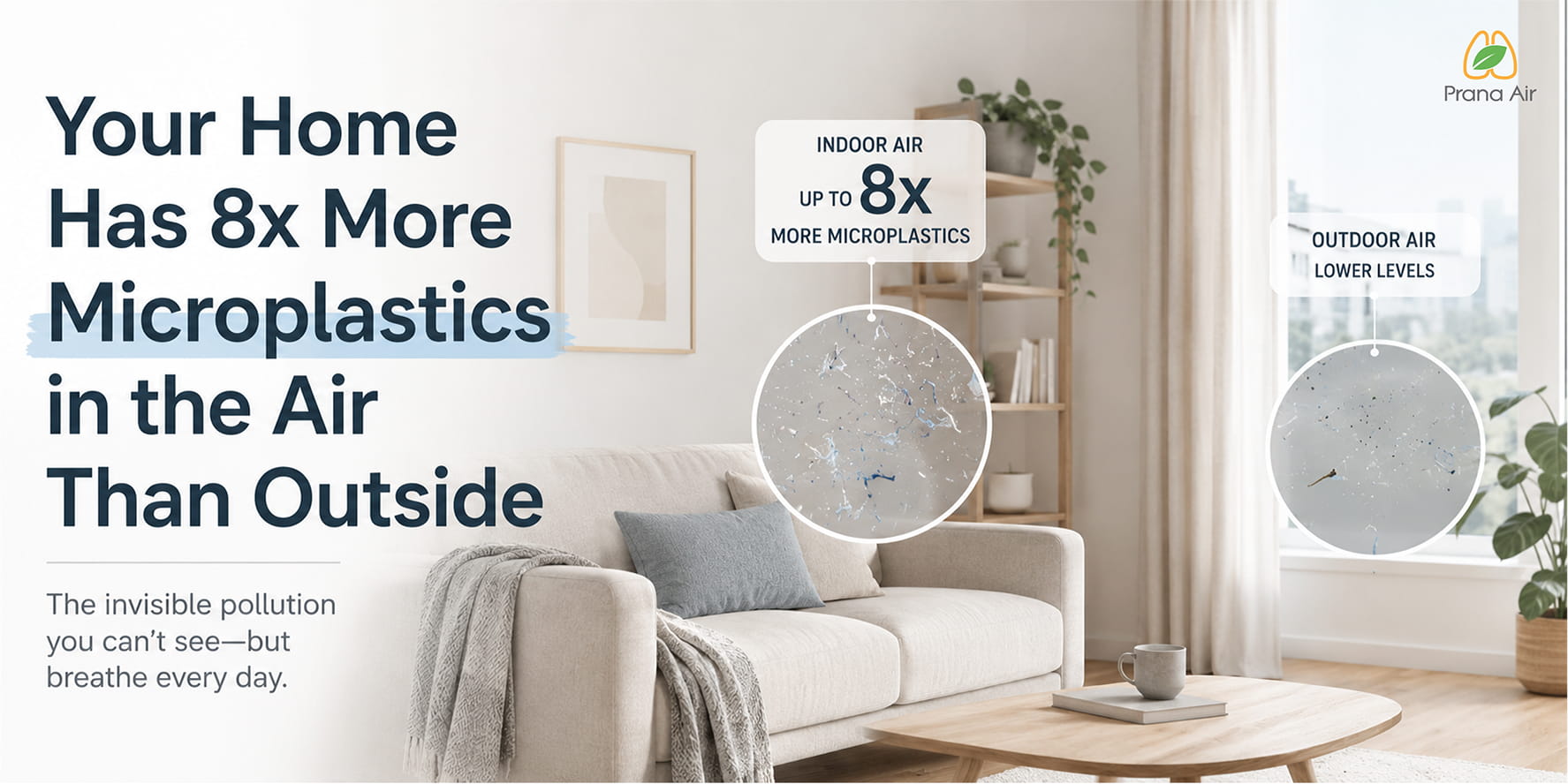
- airborne microplastics
None of these feel dramatic in the moment, but together they quietly overload your lungs.
How Normal Days Become High-Exposure Days
Here’s where most people misjudge things: exposure doesn’t require hours outside. It grows through tiny everyday actions, those quick trips and pauses that don’t feel meaningful at all. Walking to your cab. Waiting on a main road. Picking up vegetables. Talking to a friend outside the building. Standing at a chai stall during traffic. Even sitting in a car with unfiltered vents adds to it.
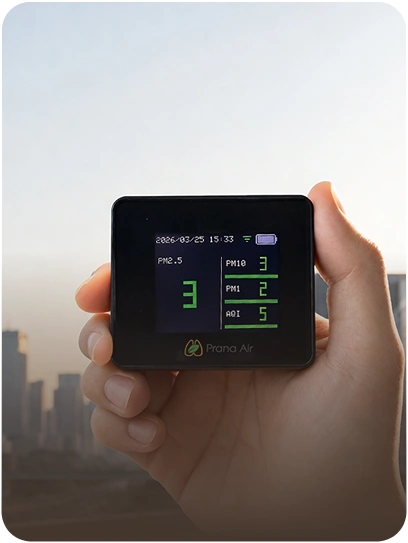
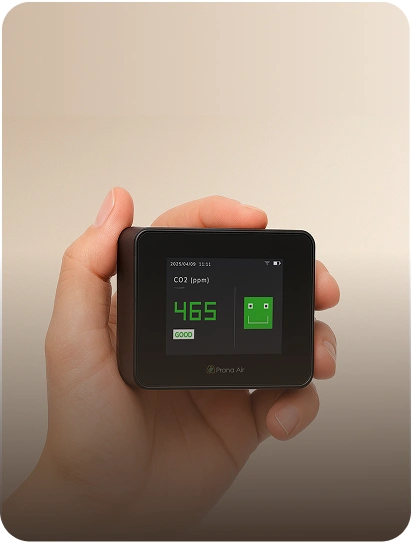
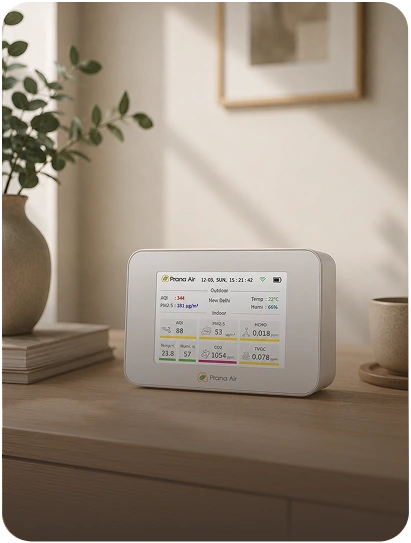
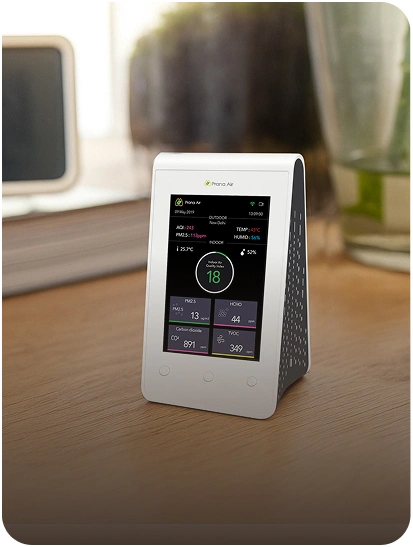
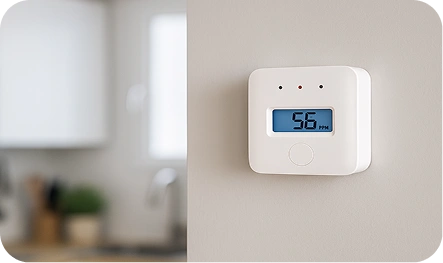
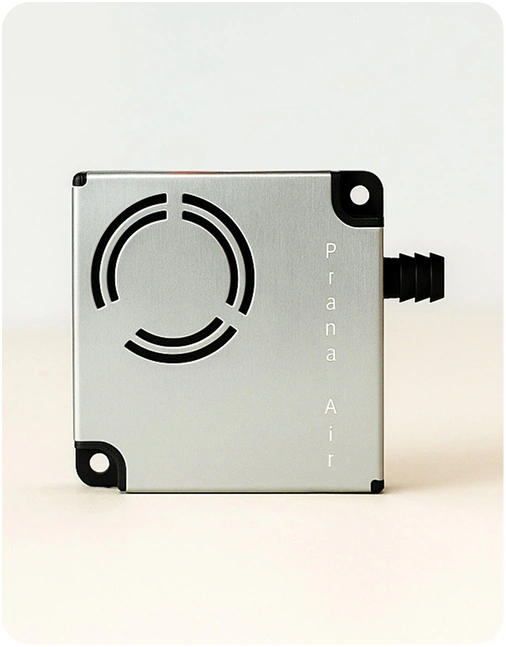
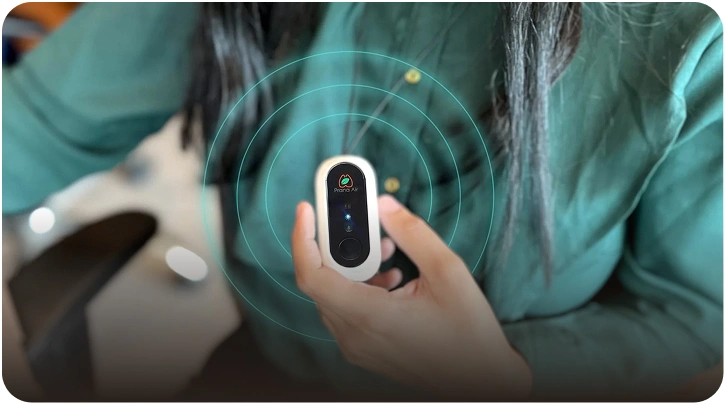
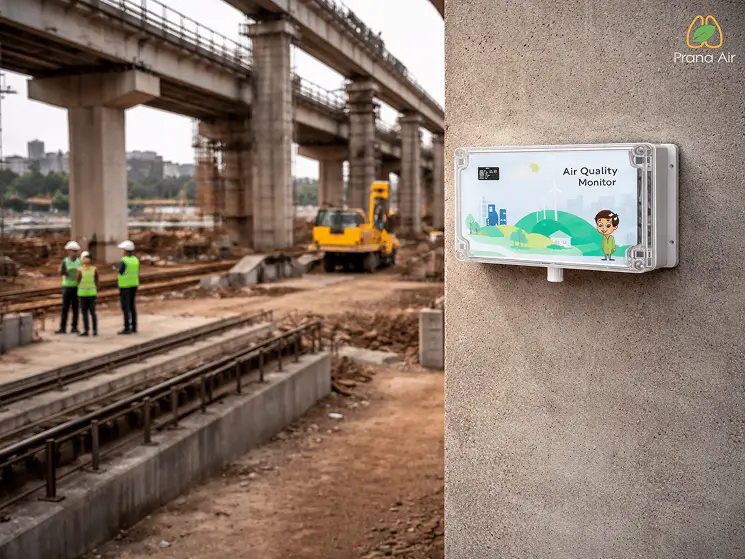
These brief moments happen repeatedly, and repetition is what increases exposure. When people finally start checking AQI or use a compact air monitor, patterns appear instantly. The days that felt heavy or fatiguing were often the days when they simply weren’t breathing safe air.
Some days you don’t feel polluted, you just feel “off.” That’s the body hinting at what the air didn’t show.
How Breathing Safe Air Changes Your Body
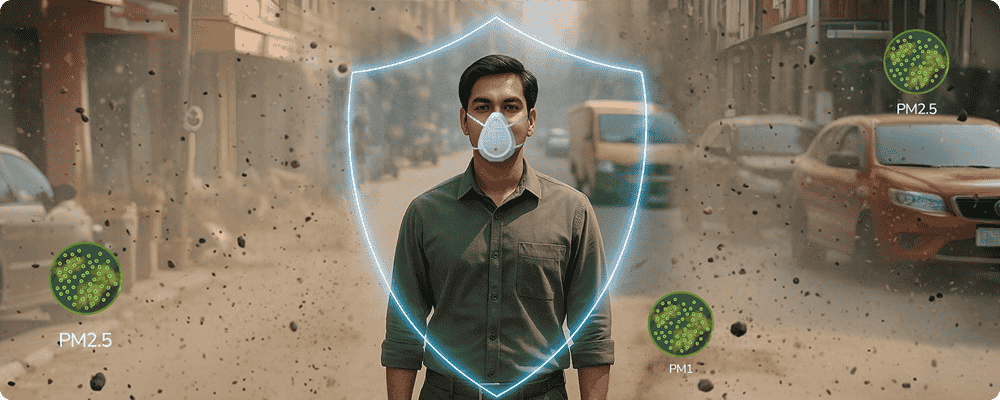
Cleaner breathing doesn’t feel like a transformation; it feels like a quiet reset. Over time, people notice lighter mornings, fewer throat irritations and reduced random headaches. Walks feel less strained, and allergies behave more predictably. These aren’t dramatic changes, they’re simply what happens when your body isn’t filtering irritants all day. Masks create that small but powerful difference, especially when paired with cleaner indoor air or filtered car cabins.
Why This Habit Matters Now
Air quality in Indian cities no longer follows predictable patterns. Weather shifts, construction dust, humidity, traffic peaks, everything changes particulate levels within hours. The air doesn’t warn you before it becomes unsafe. That’s why masking evolved from a winter-only behaviour into a practical all-year response. You cannot control the city’s pollution the way you can control your exposure to it. And when the air refuses to behave, the simplest habit is the one that protects you the most.
Conclusion
Inside your mask, the air is calmer and easier for your lungs to process. Outside, it’s a mix of particles your respiratory system shouldn’t have to manage daily. While you can’t redesign the entire environment, you can redesign your intake. Once you’ve experienced how different your body feels when you’re consistently breathing safe air, stepping outside unprotected on a high-pollution day stops feeling normal. It starts feeling like an unnecessary risk, one that a simple mask can easily prevent.
 Let’s Talk