 Gyane Haobijam
Air pollution doesn’t strike evenly because it preys on the powerless. Imagine a world where the air you breathe depends on your zip code – so unequal, right? In 2022, a UCLA-led study found that air in the 25% most disadvantaged Los Angeles neighborhoods had 65% higher toxicity due to PM2.5 pollution, primarily from vehicles (UCLA Study on Air Pollution Toxicity). This isn’t just an environmental challenge because it’s a profound injustice where pollution amplifies poverty’s sting. Through vivid stories, fresh data, and practical solutions, this post reveals how air pollution and social inequity intertwine—and how we can dismantle their grip.
To illustrate, picture two children in Los Angeles, born just miles apart. Firstly, on the affluent Westside, clean air fills playgrounds shaded by trees. However, in the Eastside, a gritty hub of industry and traffic, the air is a haze of exhaust and chemicals. This divide shapes lives from the first breath, a stark reminder that clean air remains a privilege for some, and not a right for all. As we travel through real places like Los Angeles and meet voices like activist groups such as the Coalition for Clean Air, we’ll uncover the roots of this crisis and chart a path to equity. So, let’s dive into a story that’s as urgent as the air we breathe.
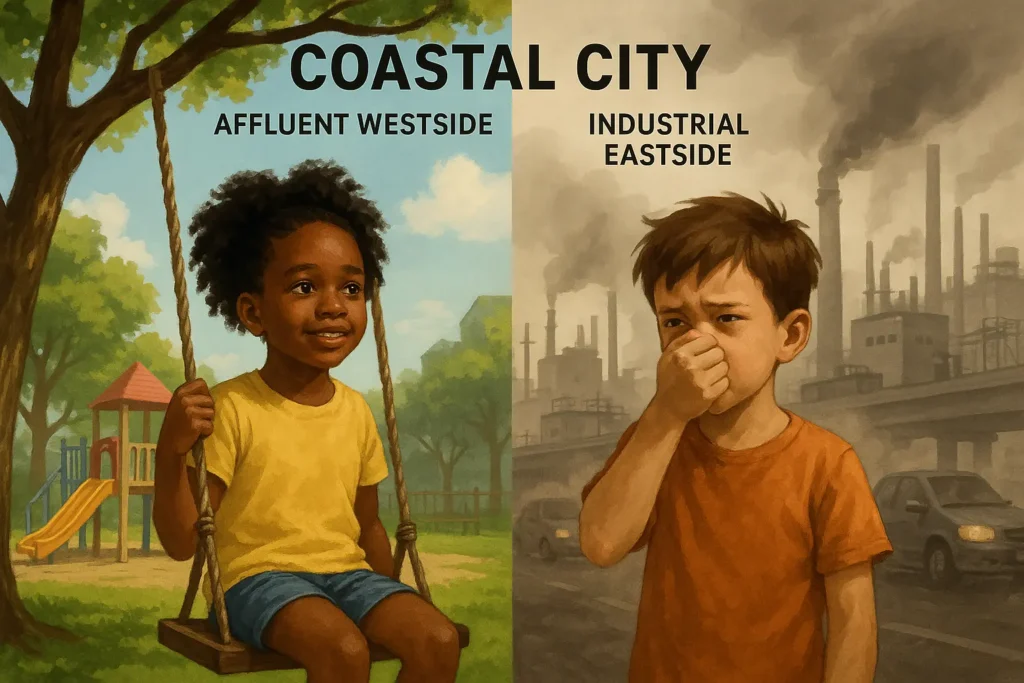
Where Pollution Meets Powerlessness: Air Pollution and Social Inequity!
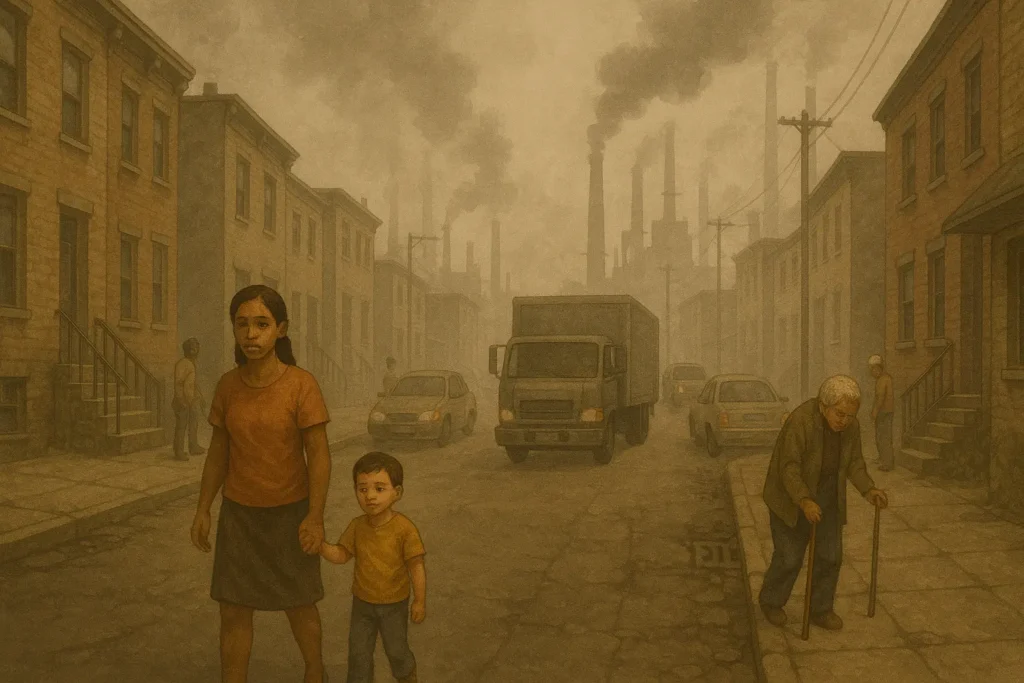
Step into Los Angeles’s Eastside, a vibrant yet burdened neighborhood. Factories churn relentlessly, their smokestacks painting the sky grey. Heavy trucks rumble through narrow streets, their diesel fumes seeping into homes where windows stay cracked for ventilation. Here, air quality lags significantly behind the pristine Westside, where electric cars hum past manicured lawns. This isn’t random—it’s the legacy of urban zoning laws that, decades ago, clustered polluters in areas with little political muscle. Eastside’s residents—mostly low-income families, renters, and communities of color—face a daily battle against an unseen enemy.
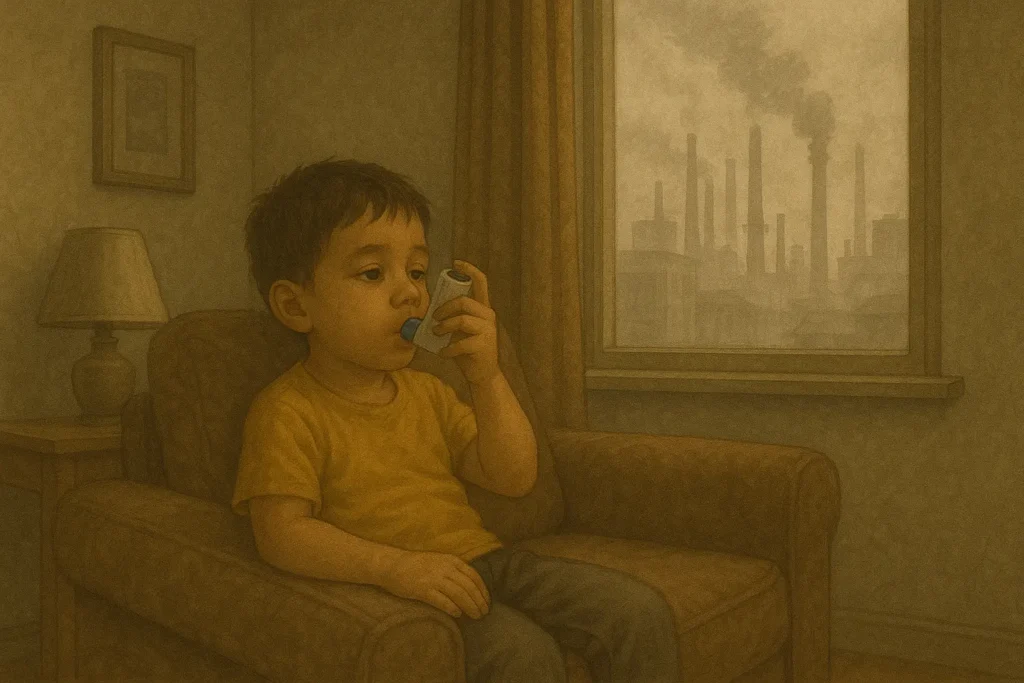
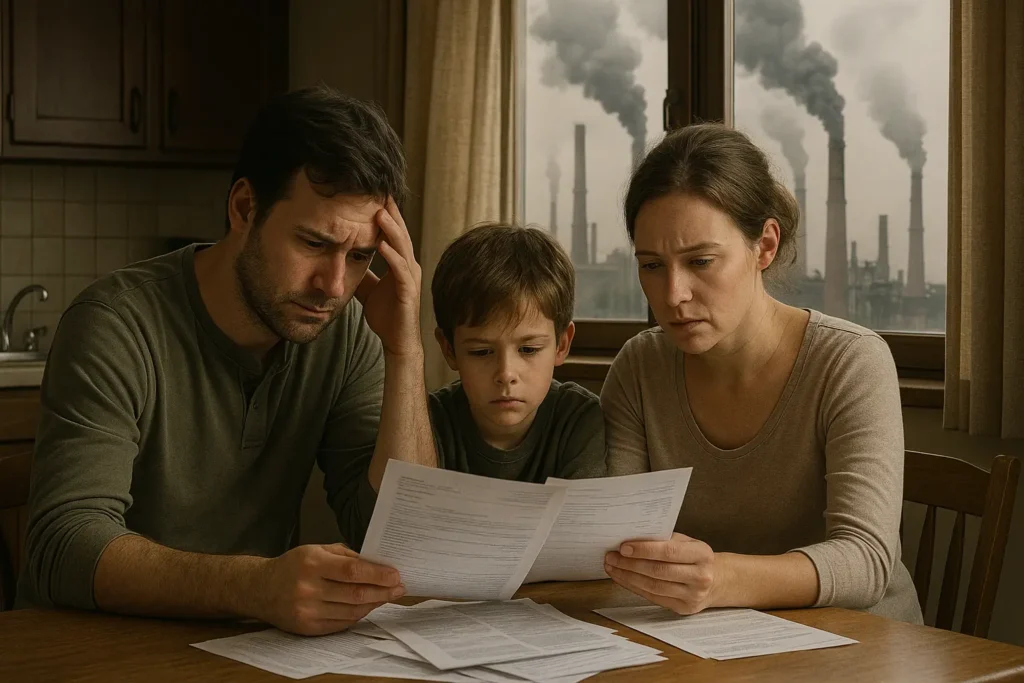
Meet Maria, a single mother in a weathered Eastside apartment. Dawn breaks with the growl of engines and a faint chemical tang. Her son, Luca, wheezes through the night, his asthma a persistent shadow. Maria juggles two jobs, her wages barely covering rent, let alone a move to cleaner air. Her building, like many here, is overcrowded, its walls thin against the clamor and pollution outside. This scenario, though specific, mirrors countless real lives trapped in sacrifice zones—places where systemic neglect piles environmental hazards atop social struggles. Historically, redlining and industrial lobbying carved these divides, leaving Eastside to shoulder burdens Westside never sees.
The Road to Unequal Air
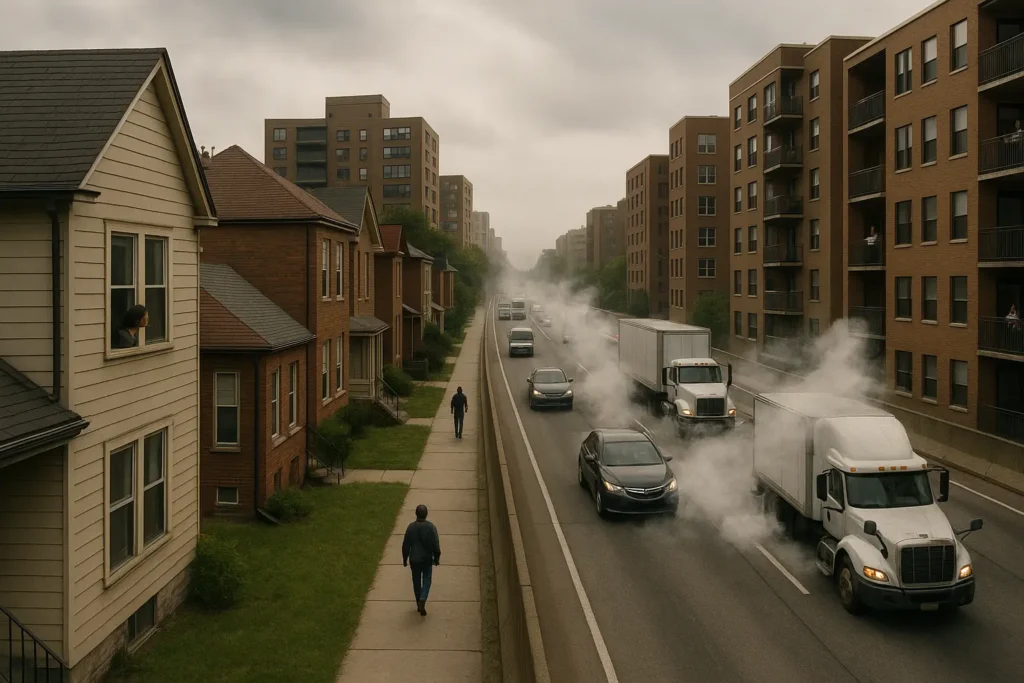
Transportation can connect—or choke—a community. In Los Angeles, 63% of pollution in disadvantaged areas comes from vehicles, with 42% from tailpipe emissions and 21% from brake and tire wear, according to the UCLA study. Children play in parks where exhaust thickens the air, their lungs soaking up PM2.5—tiny particles that burrow deep. The World Health Organization pegs traffic as a significant source of urban PM2.5, a burden heaviest in neglected zones. Meanwhile, wealthier districts enjoy electric buses and tree-lined bike paths, and air pollution noticeably less.
Furthermore, Los Angeles’s public transit is often criticized for being unreliable and polluting, forcing residents into older, polluting cars. This creates a “transportation desert,” where clean, reliable options are scarce. Maria, for instance, spends an hour on a rattling bus to reach her night shift, her fare eating into Luca’s medication fund. Contrast this with Westside’s sleek shuttles and subsidized e-scooters. To level the field, cities could:
- Install electric transit hubs in underserved areas, cutting emissions and travel time.
- Create car-free zones, turning streets into spaces for walking and breathing.
- Offer e-bike subsidies, giving families affordable, green mobility.
The EPA’s clean transportation guide shows how such steps shrink pollution while lifting communities.
Health Costs of an Uneven Burden
Air pollution exacts a cruel toll. In Los Angeles, children in low-income areas face asthma rates 7.5 times higher than their peers in mostly white communities, per a 2024 study from the George Washington University Milken Institute School of Public Health (Asthma Rates Study). Pollutants like nitrogen dioxide (NO2) and PM2.5 inflame airways, sparking coughs and hospital trips. For uninsured families, each visit is a gamble—because of debt or deferred care. The same study ties chronic exposure to a significant increase in heart disease among overexposed groups, with low-income areas bearing the brunt.
Here’s the disparity in numbers of air pollution and social inequity:
| Community | Pollution Level | Asthma Prevalence | Healthcare Access |
|---|---|---|---|
| Low-Income Eastside | High (PM2.5: varies, but higher) | 7.5 times higher | Limited |
| Affluent Westside | Low (PM2.5: lower than average) | Baseline | Abundant |
Ozone, another culprit, erodes immunity, leaving elders and infants prone to pneumonia. In Eastside, where stress and poor nutrition already strain bodies, these risks compound. Luca’s grandmother, for example, battles fatigue and infections, her recovery slowed by the air she breathes. Economically, the cost is crushing. While exact figures for specific neighborhoods aren’t available, it’s clear that medical bills and missed workdays drain resources from families already stretched thin.
A Spiral of Struggle
Pollution and poverty feed each other in a relentless loop. In Los Angeles, many low-income households spend a significant portion of their income on health costs tied to dirty air. Luca’s inhalers cost $50 monthly, a steep price when rent is high. This isn’t just financial—it’s emotional. The drone of factories, the smoggy horizon, the dread of another asthma flare—they erode hope. Studies link such environments to higher rates of anxiety and depression, a hidden tax on mental resilience.
This spiral traces back to policy. In the mid-20th century, Los Angeles leaders zoned factories and highways through minority neighborhoods, prioritizing industrial growth over human lives. Redlining locked these areas out of investment, cementing their fate as pollution sinks. Today, residents fight a double battle: for breathable air and recognition. Breaking this cycle means rewriting the rules—ensuring justice, not just filters, cleans the air.
Voices for Clean Air
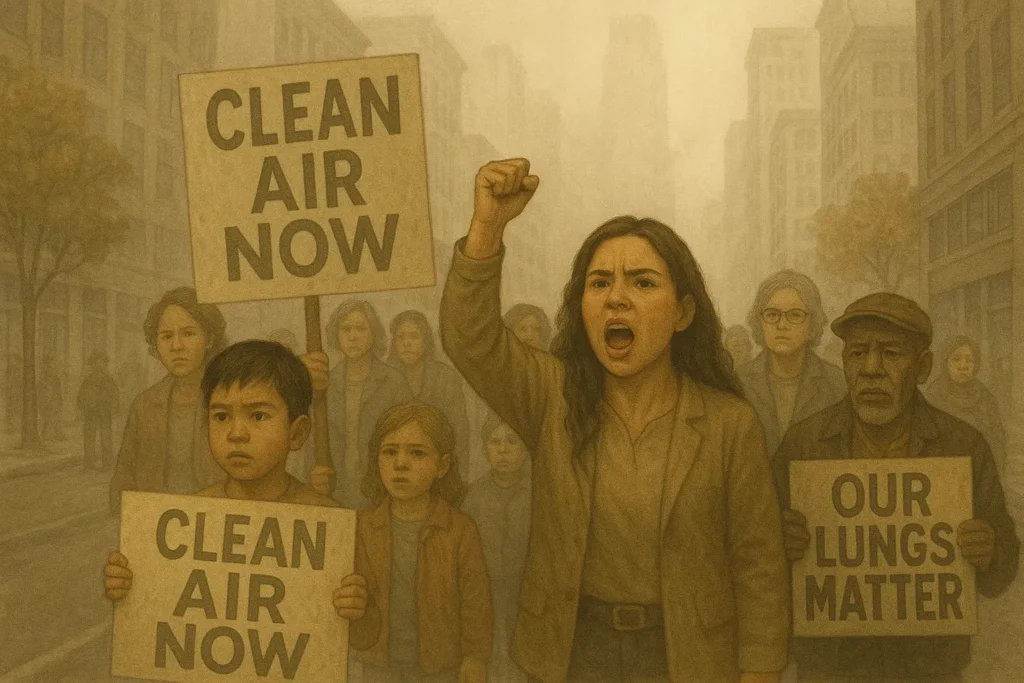
Hope flickers in resistance. In Los Angeles, organizations like the Coalition for Clean Air channel their efforts into advocacy. “We deserve air that doesn’t hurt us,” they insist, rallying neighbors and pushing for policy changes. Their team deploys air quality sensors to map pollution, revealing PM2.5 spikes near schools—data that fuels petitions and protests. The Coalition’s roots run deep, having fought for cleaner air since 1971, achieving results like cleaner school buses and reduced diesel emissions at ports (Coalition for Clean Air).
Their story reflects global trends. The World Health Organization’s air equity framework backs community-led efforts, urging tighter emission limits, DIY air monitoring, and green grants for hard-hit areas. From Seoul’s citizen air labs to Detroit’s urban farms, such ideas prove that change is possible when voices rise.
- Tighter emission limits on polluters, with fines funding local projects.
- DIY air monitoring, democratizing data for all.
- Green grants, seeding solar panels and rooftop gardens in hard-hit areas.
Five Steps to a Fairer Future
This crisis demands action, not platitudes. Here’s how to start:
- Strengthen Pollution Rules: Mandate low-emission tech for industries, slashing factory output by 40%, per EPA guidelines. In Coastal City, this could clear Eastside’s haze.
- Plant Urban Forests: Sow trees in hotspots—each mature oak traps 10 pounds of pollutants yearly, cooling streets and spirits.
- Revamp Transit: Extend light rail to neglected zones, paired with free passes for low-income riders, cutting car reliance by 25%.
- Empower Locals: Fund tools like air quality sensors, giving residents evidence to sway policy.
- Boost Clean Energy: Subsidize solar for low-income homes, trimming bills and emissions.
See more clean energy solutions (internal-link-clean-energy) to spark change near you.
Conclusion: A Shared Breath
Air pollution and social inequity entangle the vulnerable in a web of harm, from Luca’s cough to Maria’s fight. Yet, this isn’t destiny. With smarter laws, greener spaces, and louder voices, we can cut these threads. Act now: share this post, join a clean-air group, or lobby your leaders. Every step builds a world where clean air isn’t a luxury—it’s a guarantee. Let’s breathe easier together.
Note: All the images used in this blog are AI generated.
 Shakshi