





















We spend roughly 90% of our time indoors, yet we rarely think about what we’re actually inhaling. From the “new carpet” smell to the steam from your stovetop, your home’s air is a complex cocktail of gases and particles. In fact, indoor air can be 2 to 5 times more polluted than outdoor air.
If you’ve been feeling sluggish, suffering from unexplained allergies, or just want to ensure your space is healthy, it’s time to stop guessing and start measuring. Here is your step-by-step guide to auditing your home’s air.
1. The All-in-One Solution: Smart IAQ Monitors
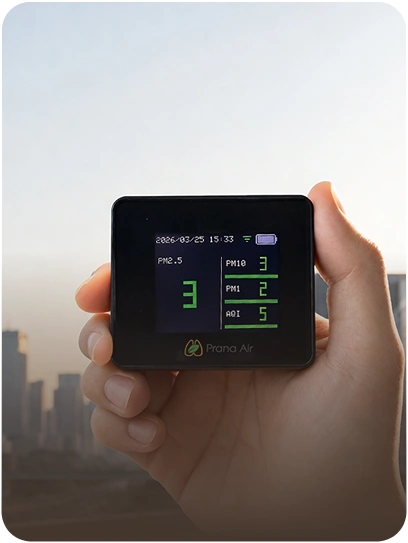
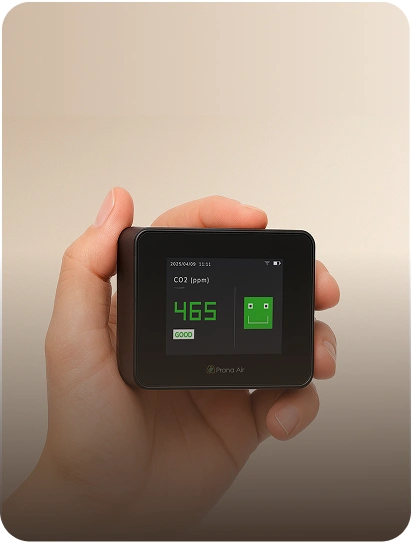
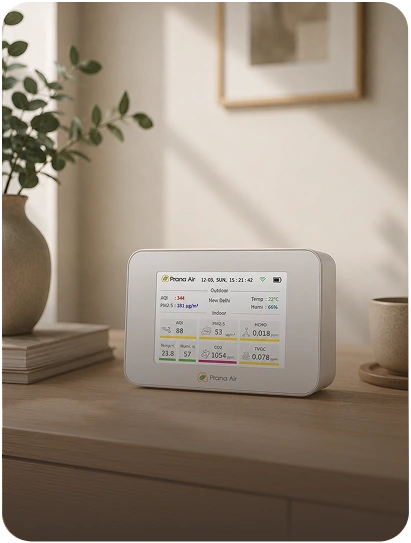
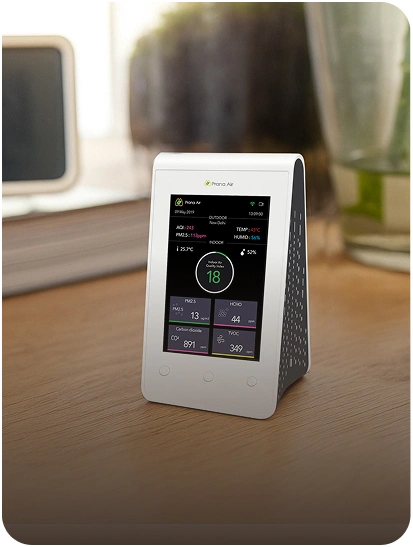
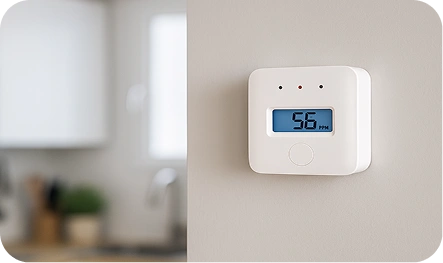
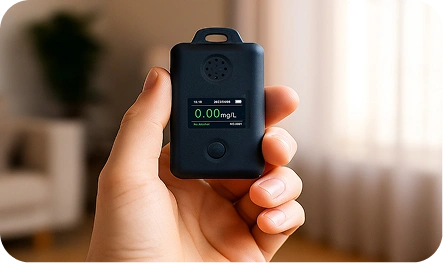
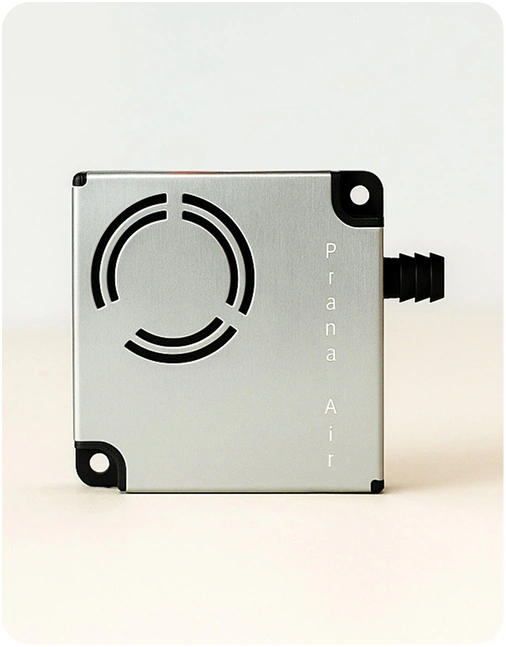
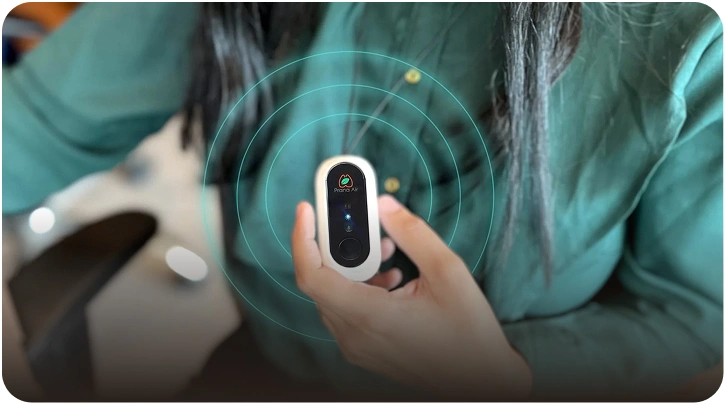
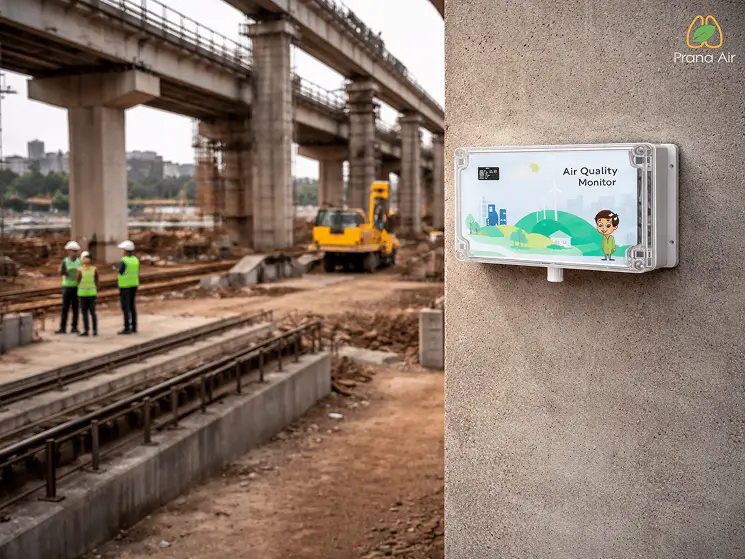
The most modern and effective way to track air quality is an Indoor Air Quality (IAQ) Monitor. These devices act like a “fitness tracker” for your home, providing real-time data via an LCD screen or a smartphone app.
Key Metrics to Track:
2. Test for the “Invisible Killers”
Some of the most dangerous indoor pollutants can’t be detected by a standard electronic monitor.
Radon Gas
Radon is a colorless, odorless radioactive gas that leaks from the soil into your basement or foundation. It is the leading cause of lung cancer among non-smokers.
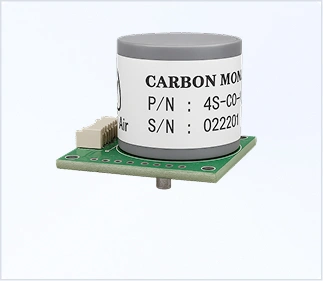
Carbon Monoxide (CO)
This is a byproduct of gas appliances like stoves or furnaces.
3. Monitor Your “Comfort Zone” (Humidity)
Humidity isn’t just about feeling sticky; it’s a major driver of air quality.
4. The “DIY” Sensory Audit
While tech is great, your own senses are powerful diagnostic tools. Walk through your home and look for these “red flags”:
Final Thoughts
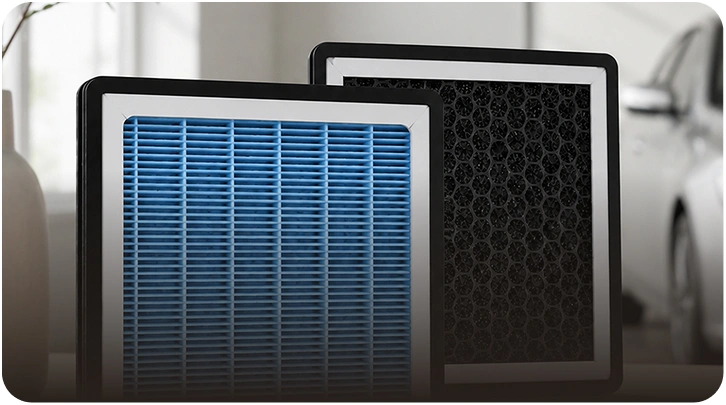
Measuring your air quality is the first step toward a healthier lifestyle. Once you have your data, the solutions are often simple: opening a window, buying a HEPA air purifier, or switching to “low-VOC” cleaning products.
Would you like me to create an image showing the best placement for air quality monitors in a standard house layout?



 Let’s Talk