
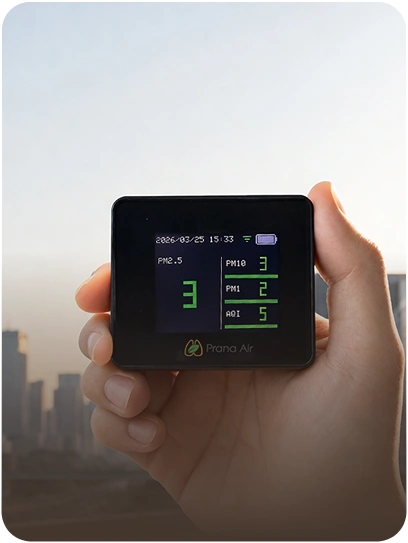
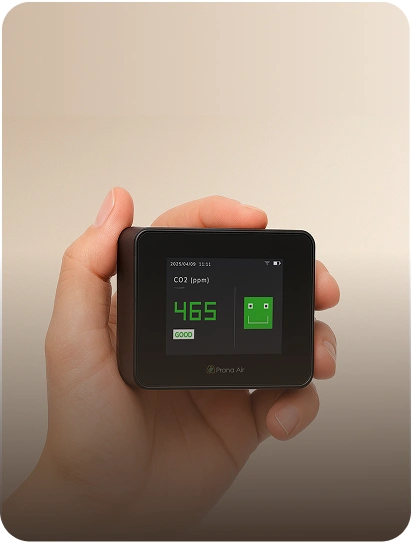
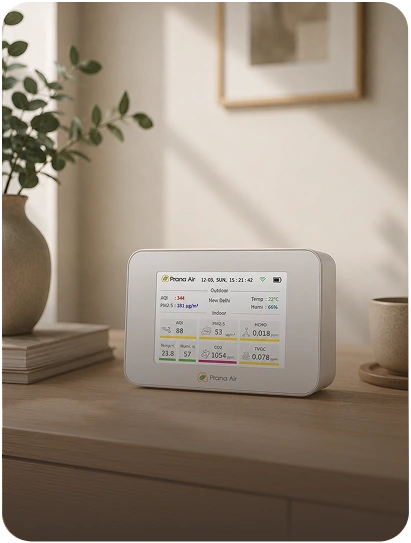
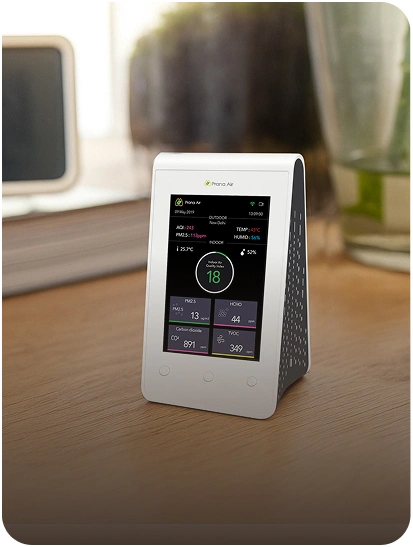
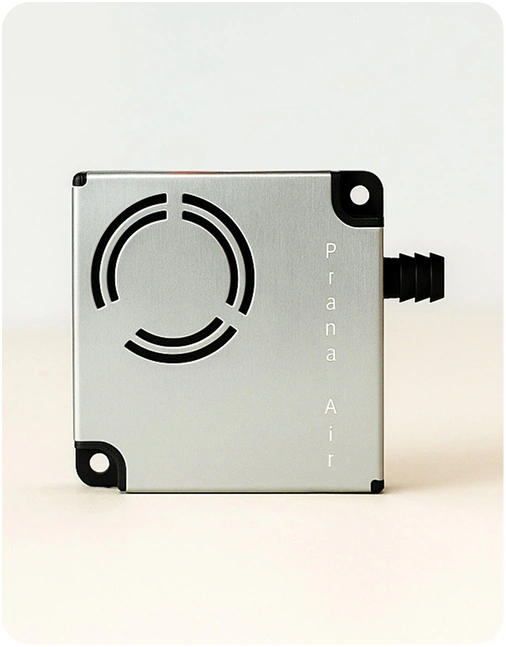
















PM SENSOR (LASER)
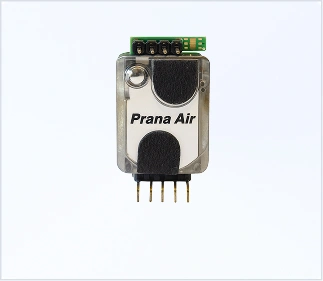
(PAS-OUT-01) - Made for outdoor air quality monitoring. Its range goes up to (0-31,000 µg/m³)
Request A Quote
Particulate Matter (PM) Sensor Amazing Features

Fan control for steady airflow

Built-in fault detection

Dust-proof duct design

Small size and easy to install

Stands up very well to interference

Circuit board that resists moisture

Multiple communication modes

Quick detection capability

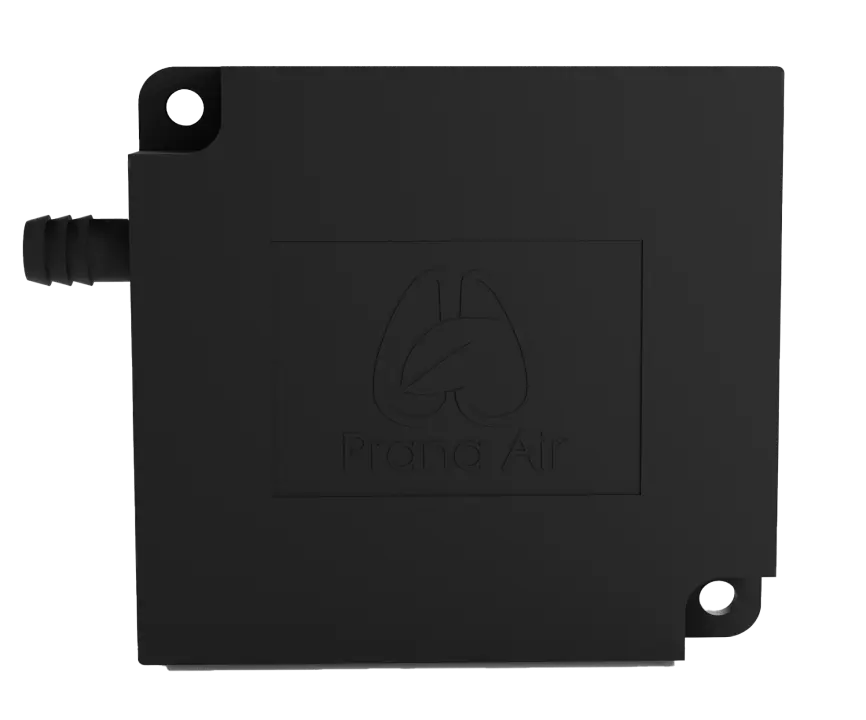
PM Sensor Laser Technology
Light scattering Method
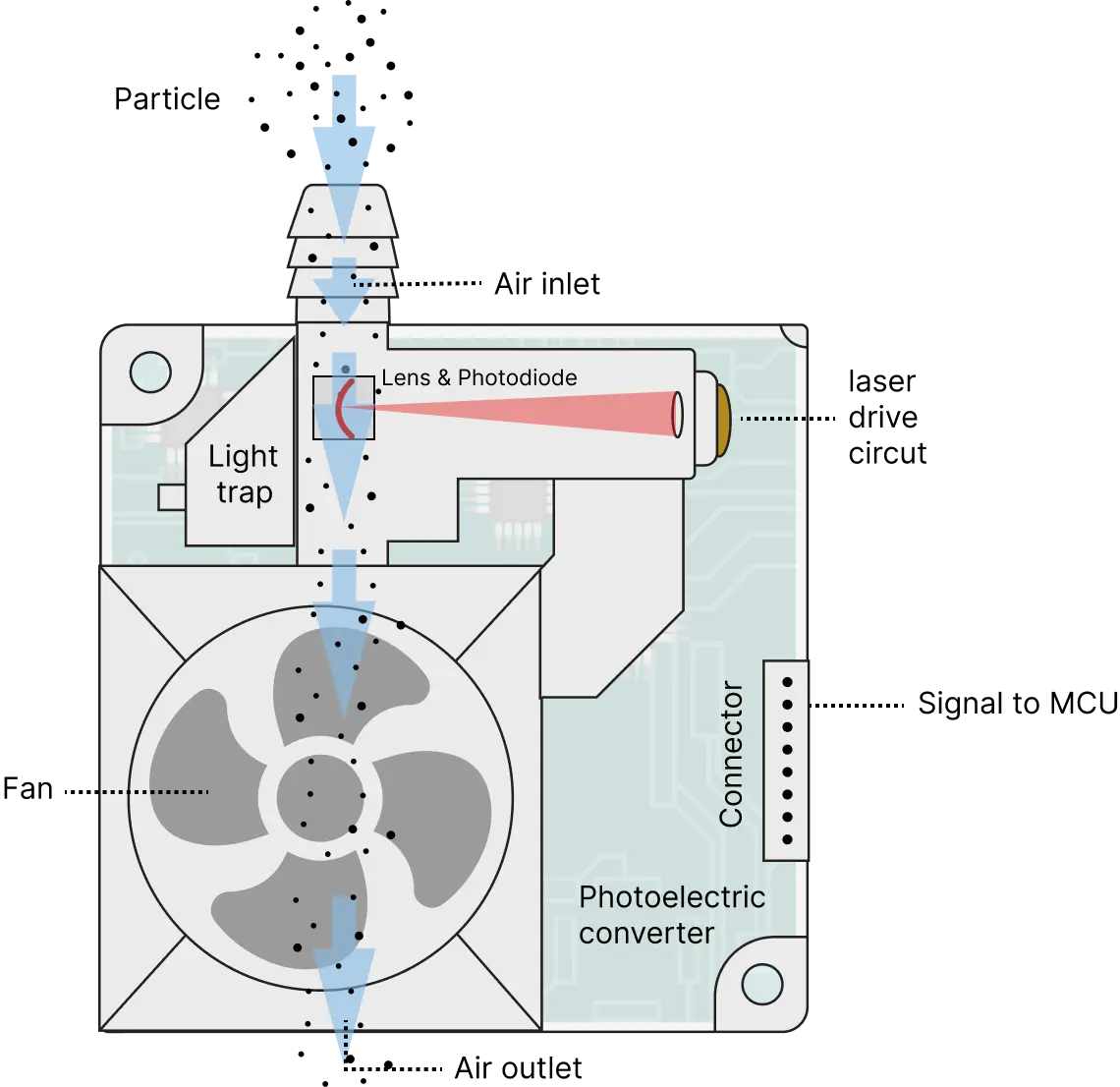
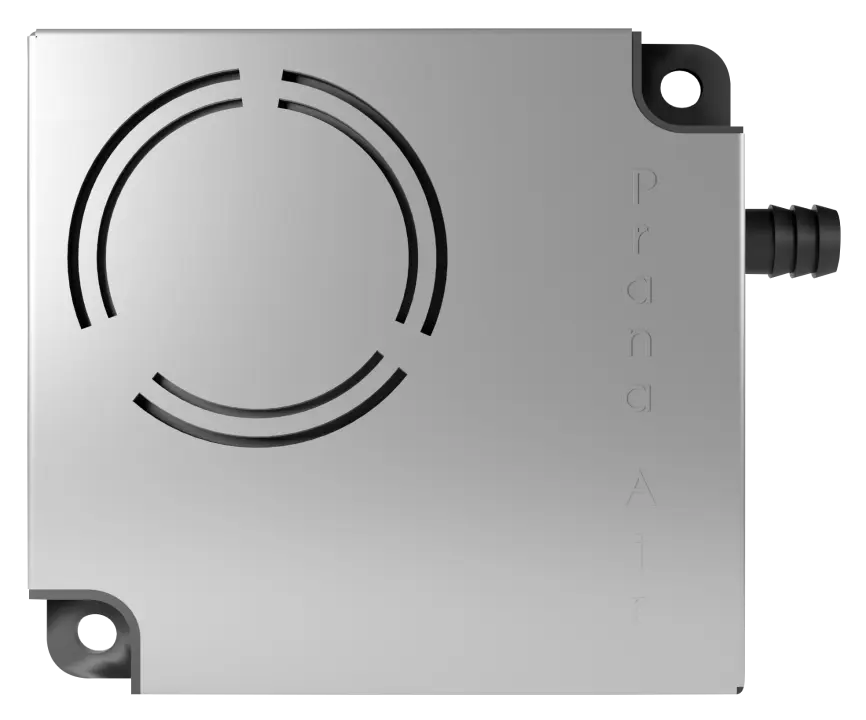
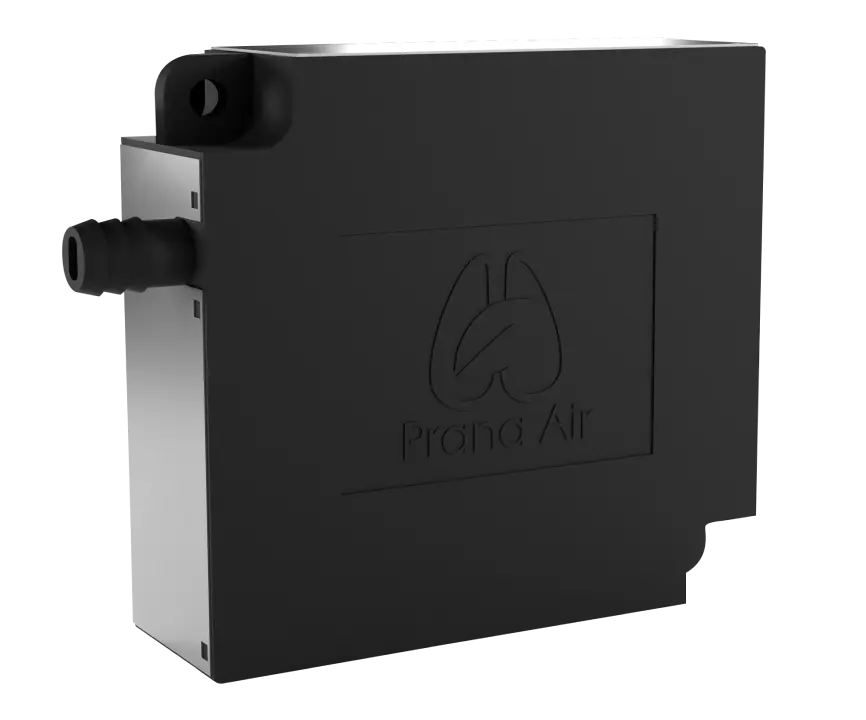
PAS-OUT-01 is a light-based digital laser sensor built for industry. It measures particulate matter, that is, dust particles. It comes with an inbuilt laser and a light-based receiving module. Unlike many other sensors, PAS-OUT-01 is set to tell PM10 and PM2.5 apart with accuracy. This is because it works on the principle of 90° light Spreading.
Range upto(0-31,000 µg/m³)
Seamless Connectivity
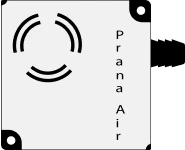
PM Sensor
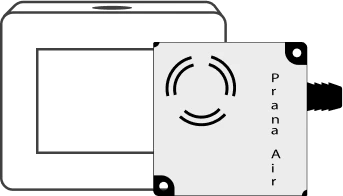
Monitor and PM Sensor

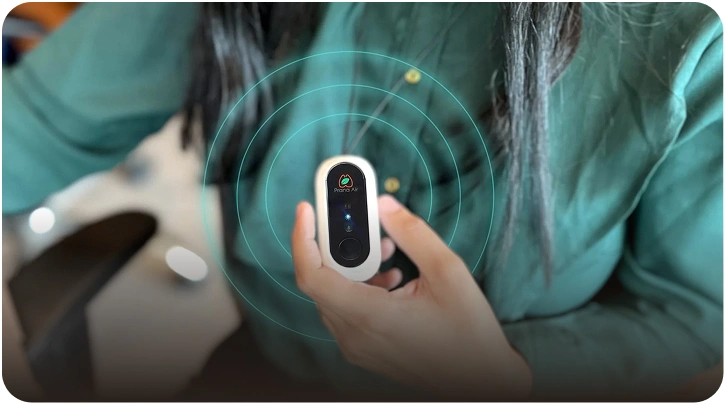
WiFi connectivity to the monitor

Sensor data is sent to the cloud.

View the sensor data on a mobile, laptop or TV.
The sensor has a compact design, which allows it to fit with ease into any air quality monitor. Anyone can fit or change the sensor without the need for advanced technical knowledge. The network access of the sensor is also smooth. It can send the data straight from the sensor to the cloud, which keeps things simple for users.
PM Sensors for Outdoors and Indoors
We have two options, one for each type of setting. Each meets the needs of its setting and gives top performance and better air quality checks.
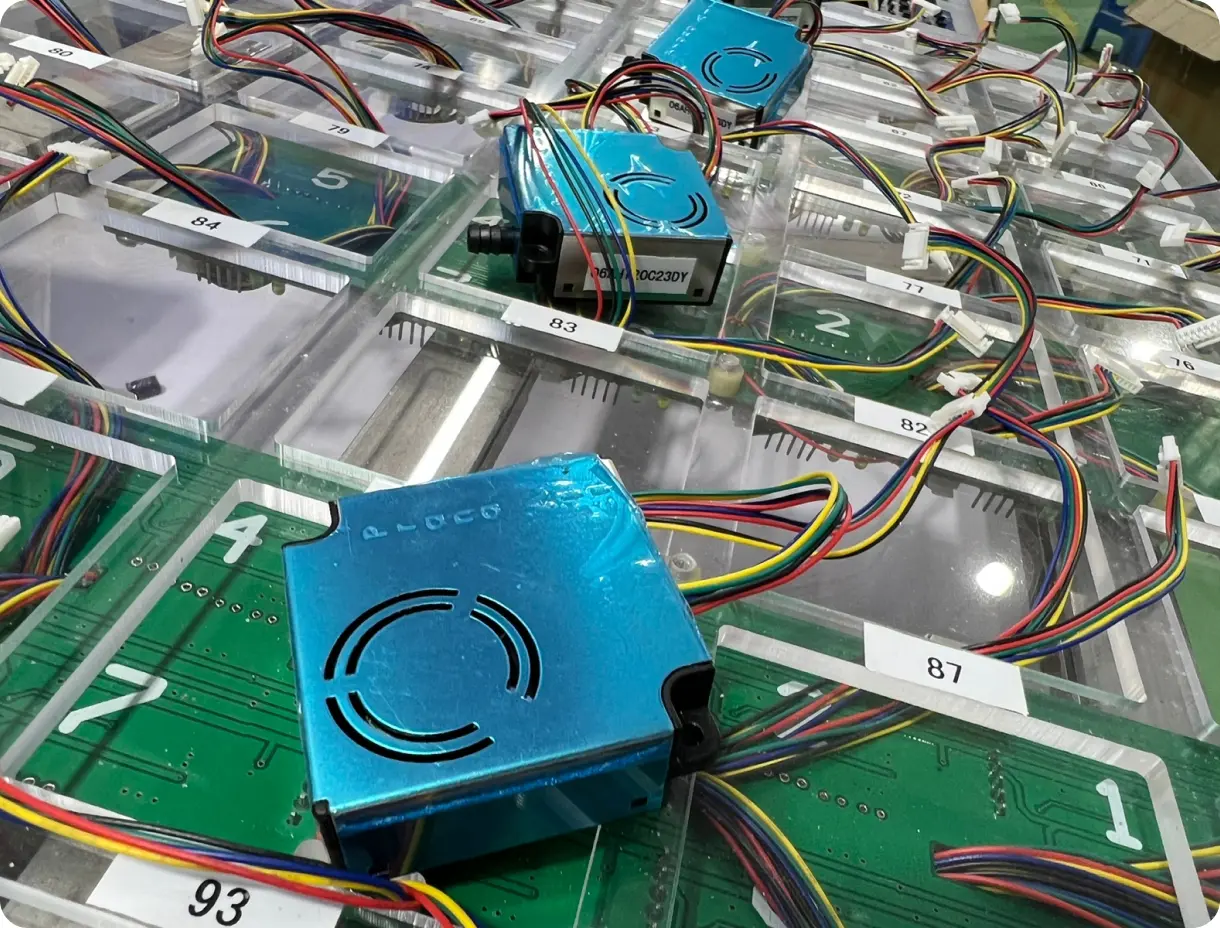
Experience the ease of advanced Outdoor Sensor
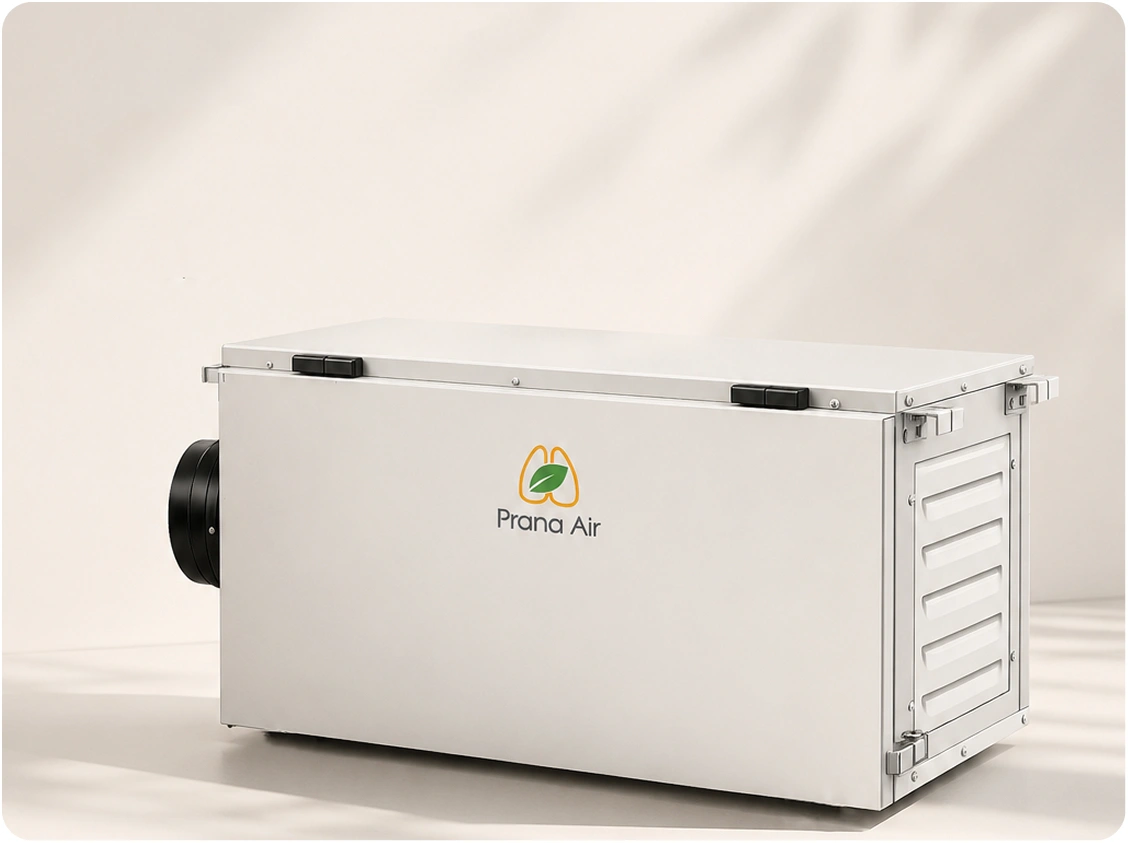
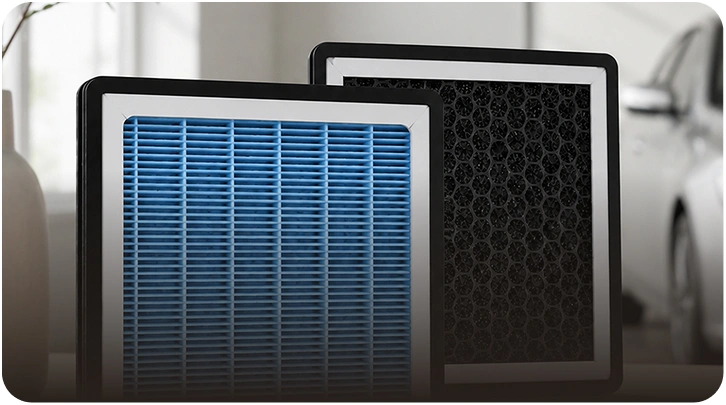
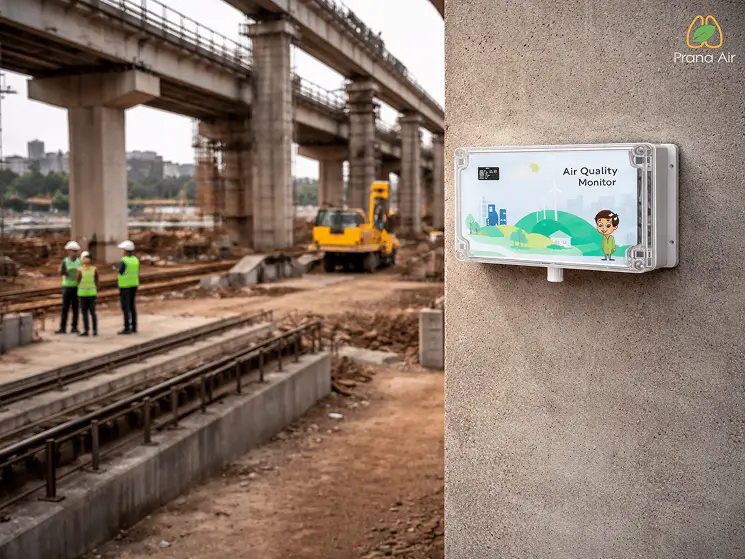
The outdoor PM sensor is built to stand up to harsh weather and other tough conditions. Its advanced tech tracks particulate matter levels in any open area. With its advanced filtration systems, the sensor also offers steady and reliable air quality data.
Request A Quote
Experience the ease of advanced Indoor Sensor
The indoor PM sensor is designed to monitor air quality in closed spaces such as homes, offices, schools and other indoor areas. In this way, it gives an accurate measure of particulate matter levels in small spaces. It is also highly sensitive and can detect even small changes in the air, which gives you a reliable way to keep the indoor air healthy.
Request A Quote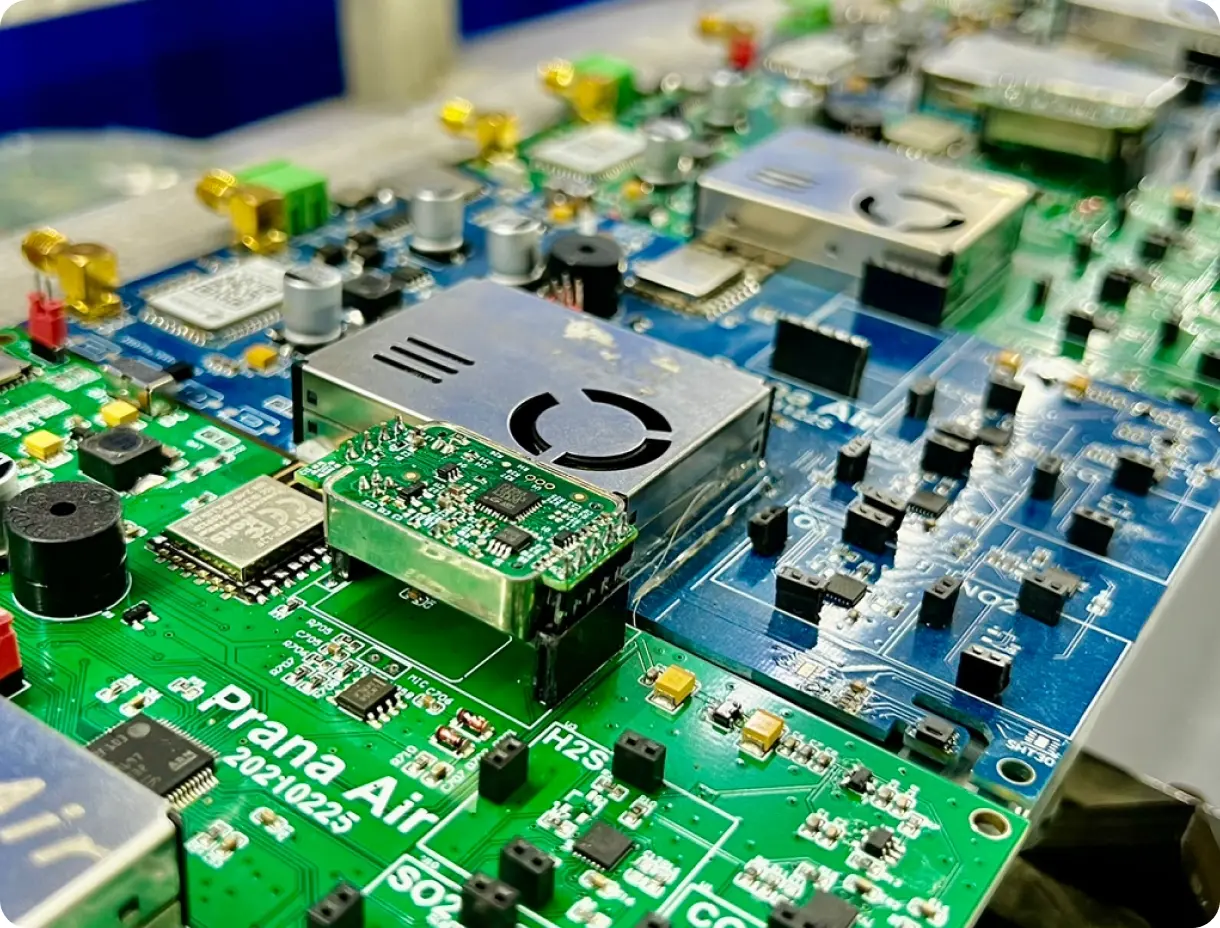
PM Size Comparison
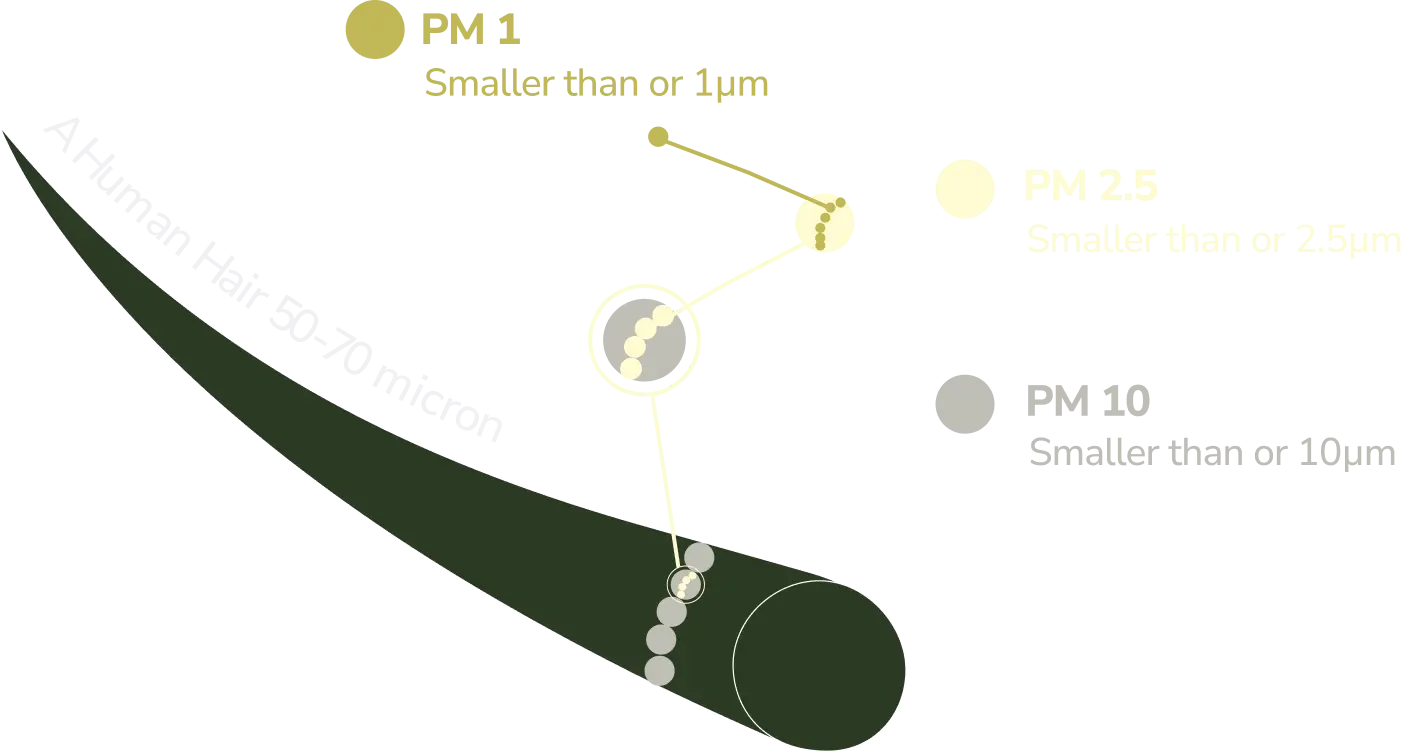
Particulate Matter, or PM, is a mixture of tiny particles and liquid droplets. Many different sources give off these particles into the air. As a result, they can enter the human lungs and cause a great deal of harm to health.
PM1
Sized 1µm or smaller

PM2.5
Sized 2.5µm or smaller

PM10
Sized 10µm or smaller
The Tiny Threats in the Air: Particulate Matter
Particulate Matter (PM) comes in many sizes, such as PM2.5 (particles smaller than 2.5 microns) and PM10 (particles smaller than 10 microns) being the most common.
- PM1
- PM10
- PM2.5
- PM2.5
- PM1
- PM10
Know about each PM size
PM1
PM1 refers to particles with a diameter of 1 micrometre or smaller. This includes nanoparticles and the emissions from burning. As a result, these particles can easily enter the blood flow and lead to health conditions.
PM2.5
PM2.5 refers to fine particles with a diameter of 2.5 micrometres or smaller. Because of their tiny size, they are small enough to enter deep into the lungs, and they can lead to severe health issues.
PM10
PM10 refers to particles in the air with a diameter of 10 micrometres or smaller. It includes dust, pollen and mould. These particles are large enough that most get trapped in the nose or throat, where they can cause allergies.
Particle Count
Lastly, particle count is the total number of particles present in the air. It does not look at their individual sizes. Instead, it looks at the overall particle load, and takes in particles of all sizes.
Sources:
 Vehicle Exhaust
 Factory Emission
 Construction sites
 Wildfires
 Dusty roads
Chart: How Our Data Accuracy Compares With BAM
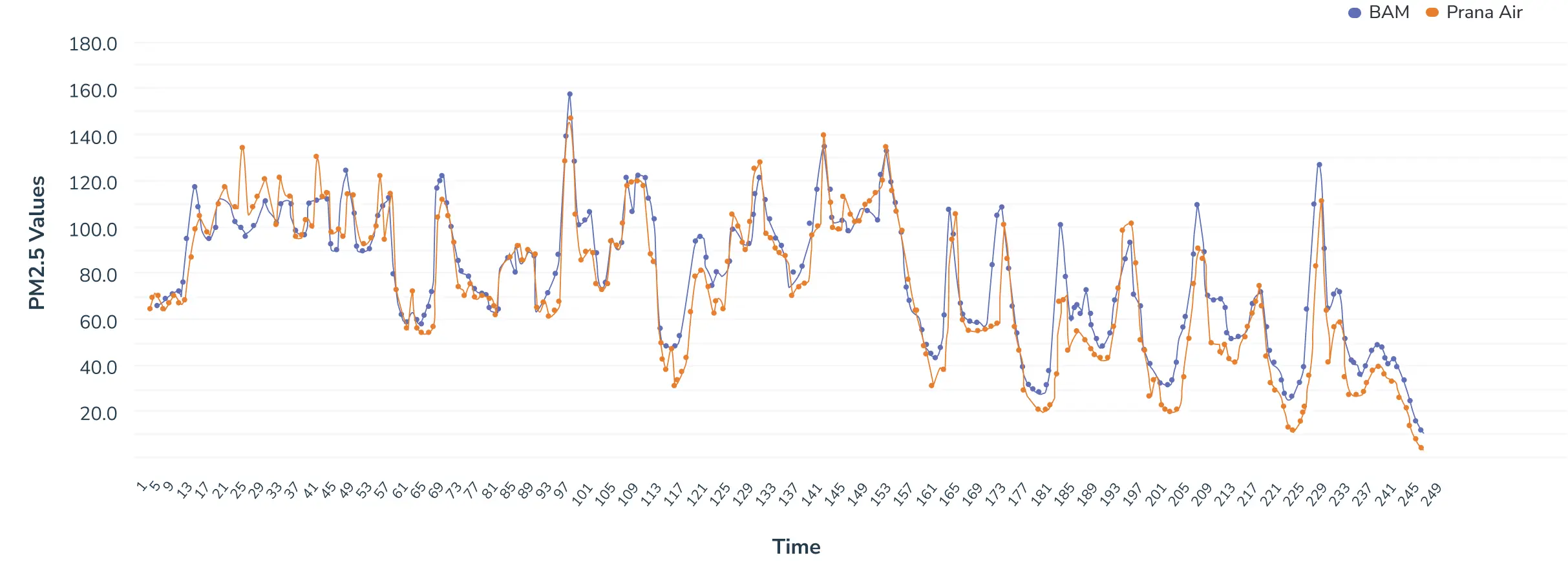
A full comparative study was carried out. It tested the data accuracy of our PM2.5 sensor against a high-end Beta Attenuation Monitoring (BAM) system.
The results also showed a strong correlation between the two devices' data.
Happy to serve our clients










PM air quality sensor
applications
Construction Sites Covered by the Prana Air PM Sensor
Our sensors have been used across many construction sites to track the high PM levels that site work gives off. As a result, they help to keep a real-time watch on air quality. They also allow teams to step in on time when needed.
2000+
- Sites Covered

- Sites Covered
DPCC, BMC, UPPCB, RSPCB, HSPCB, etc.
Our Sensors Case Studies
Case Study By IIIT Hyderabad
Comparative Evaluation of New Low-Cost Particulate Matter Sensors
Study Brief : The paper tested our Prana Air device alongside other low-cost sensors for PM2.5 and PM10 readings. The team compared the results with the standard Aeroqual Series-500. Their problem with traditional devices was the high cost, the weight, and the frequent need for service, which limited their use in cities.
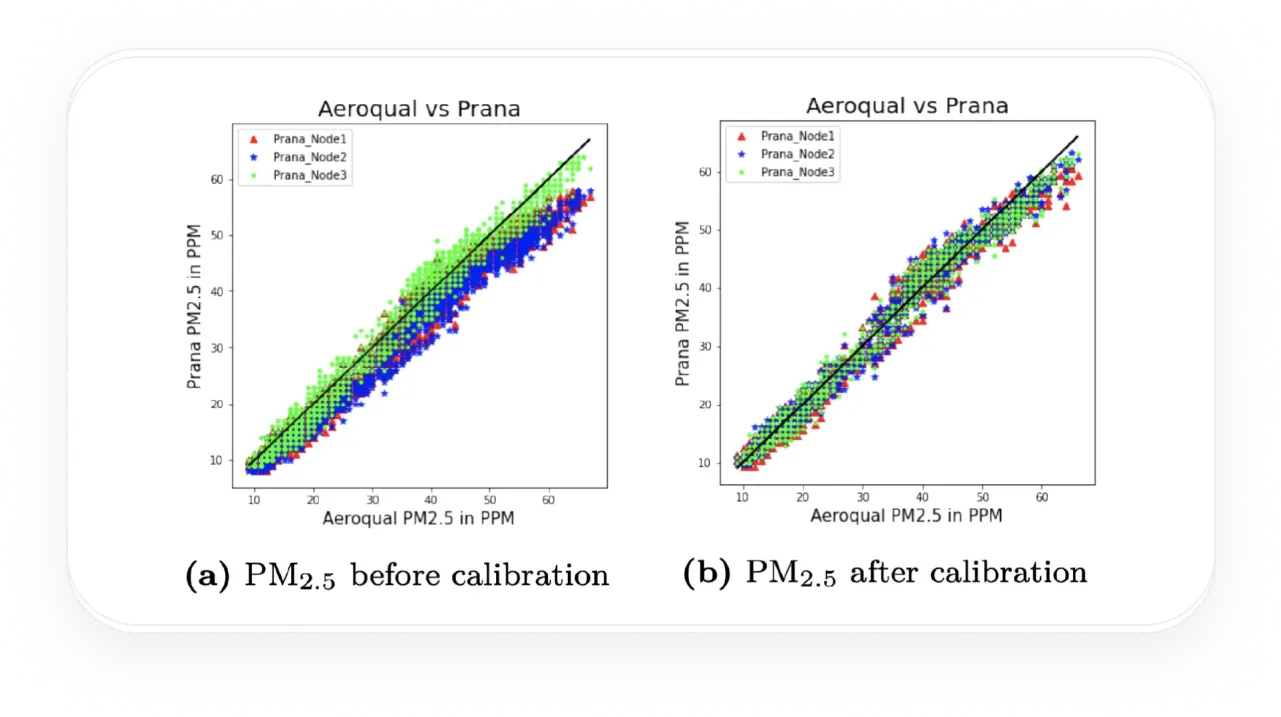
Note : The monitors update every 30 seconds. Our PM sensors have a resolution of ±1.0 micrograms per cubic metre, and our NO2 sensors have a resolution of ±1.0 ppb.
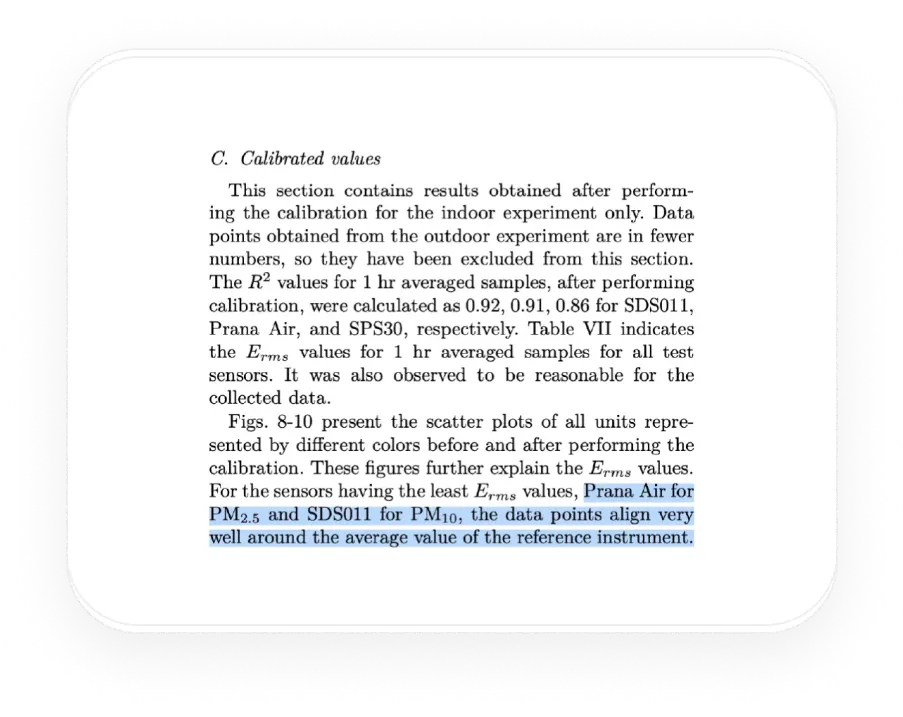
Find Full Study Here :https://ieeexplore.ieee.org/document/9590448
Case Study By NEERI (CSIR)
Performance‐based protocol for selection of Affordable and easy to carry sensor for air quality measurement
Study Brief : In this research, the team used our device in their Environmental Protection Sensors (EPS) assessment. They compared the factory calibration data with reference monitors. Their challenge was to find a sensor that was cheap enough but still accurate, sensitive, and good at handling data. In the end, Prana Air proved to be a reliable and low-cost choice.
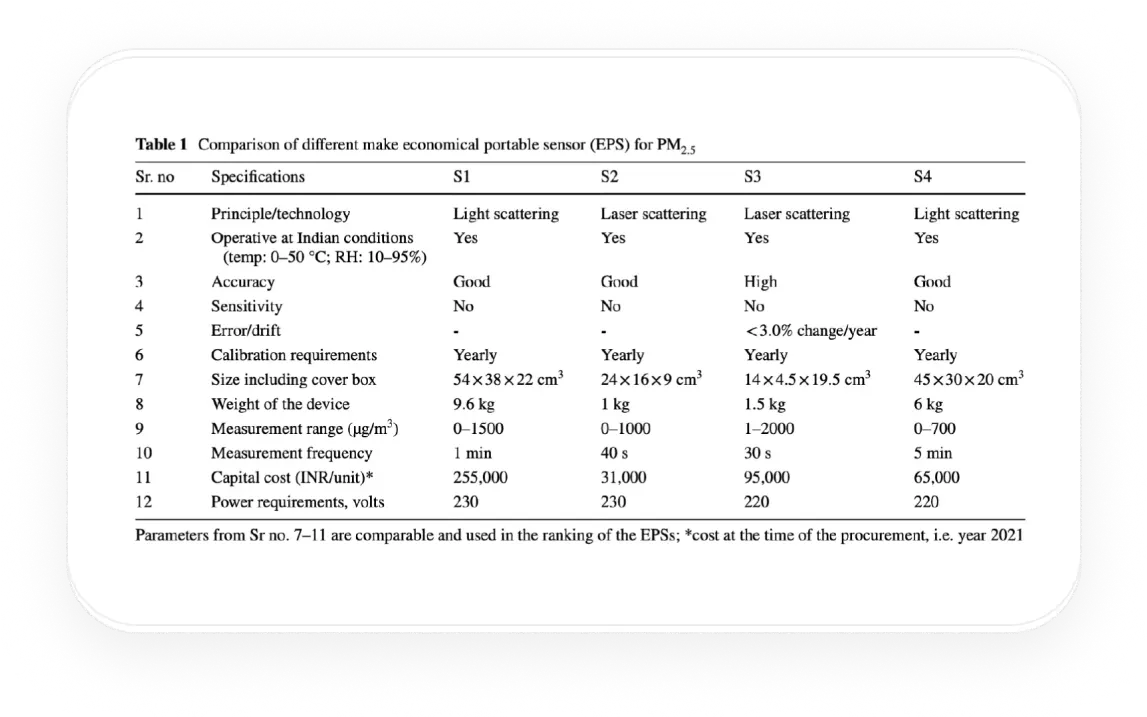
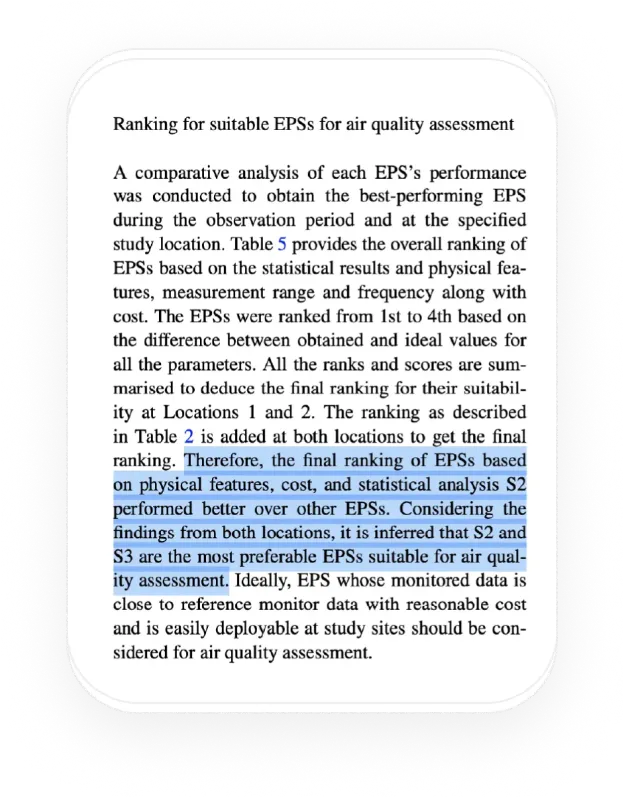
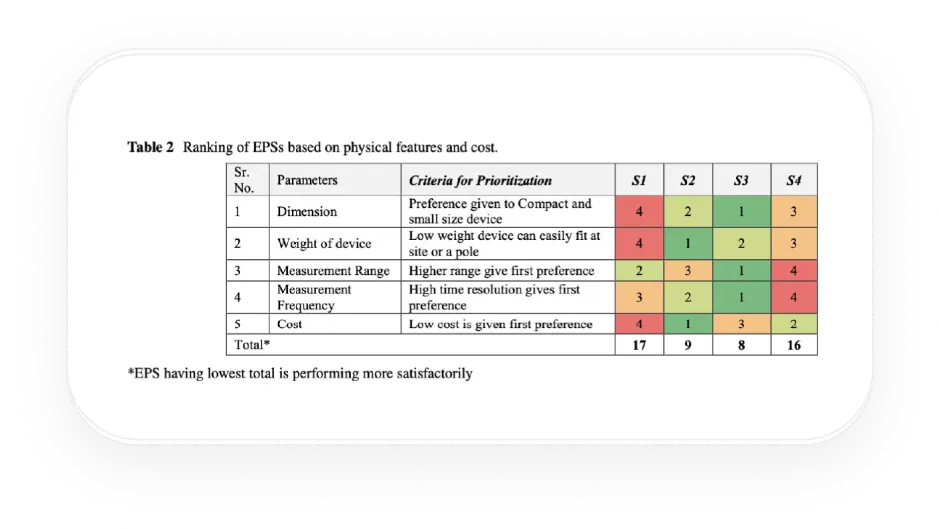
Find Full Study Here :https://pubmed.ncbi.nlm.nih.gov/37318651/f
Health Impacts - Why is it so important to measure particulate matter?

Asthma and Triggers

High risk of lung cancer

Respiratory infections

Lung diseases

Heart-related issues
Technical Specifications
Product Name:
PAS-OUT-01
Rated voltage:
5V
Communication Port Level:
3.3 V
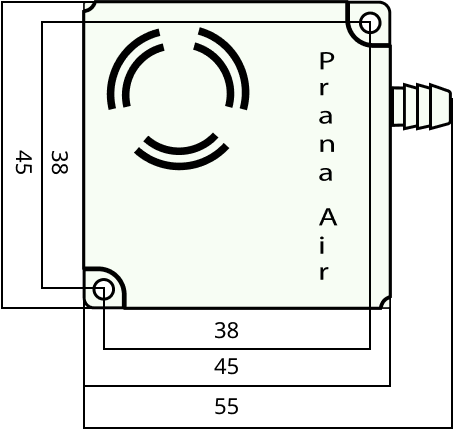
Dimensions L x W x H :
4.5 x 4.5 x 2 cm
Particle Size Resolution:
0.3 µm
Storage Temperature :
-20~85 C°
Working Temperature:
-20~70 C°
Working humidity:
0~99C%RH (No Moisture formation)
Rated current:
70mA
Mass concentration data resolution:
1 μg/m3
Outdoor Sensor Dimensions
Indoor Sensor Dimensions

Get in Touch
Kindly let us know your requirements. Our team will get in touch with you very soon.



 Let’s Talk