 Anwesha
Air quality for kids has become one of the biggest health concerns for parents today. Whether children are indoors, outdoors or in school, the air around them influences how well they breathe, learn and grow. Because their lungs and immunity are still developing, even moderate pollution affects them faster and more deeply than it affects adults. The challenge is that most pollutants cannot be seen or smelled, so parents often do not realise how much of a role air quality plays in a child’s daily comfort and long-term health.
Children breathe more air for their body weight and have narrower airways. Their lung tissue is delicate, and their nasal filters are not fully developed yet. This means pollution settles into their respiratory system more easily. Frequent morning congestion, irritation during outdoor play, tiredness in class or repeated colds can all be early signs that the air around them needs attention.
Why air quality affects children more strongly
A child’s lungs grow continuously until the late teenage years. During these growing years, exposure to particulate matter, dust, smoke and chemical fumes influences lung capacity and overall respiratory development. Indoor pollutants mix with outdoor sources, creating a combined exposure throughout the day.
Homes often keep windows shut for long hours. Cooking fumes, cleaning sprays, incense and dust movement quietly increase indoor particulate levels. At the same time, outdoor contributors such as traffic emissions, construction dust and winter smog affect what children breathe during school travel, playground time or sports activities.
Daily spaces that shape air quality for kids
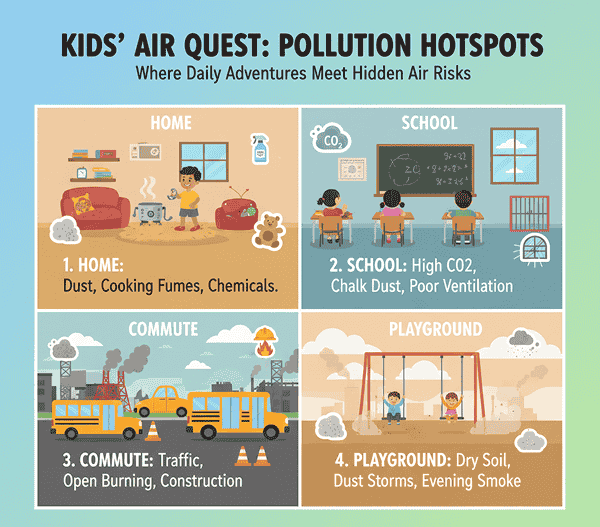
Children move through multiple air environments in a single day and each one exposes them to different pollutants.
• Home: Dust, cooking, chemical sprays, soft toys, carpets and stale air
• School: High carbon dioxide in closed classrooms, chalk dust and low ventilation
• Commute: Traffic smoke, open burning, construction sites
• Playground: Dry soil, dust storms, post-Diwali smoke and polluted evenings
These small exposures add up and play a bigger role in air pollution related symptoms than most parents realise.
Outdoor AQI and children’s health
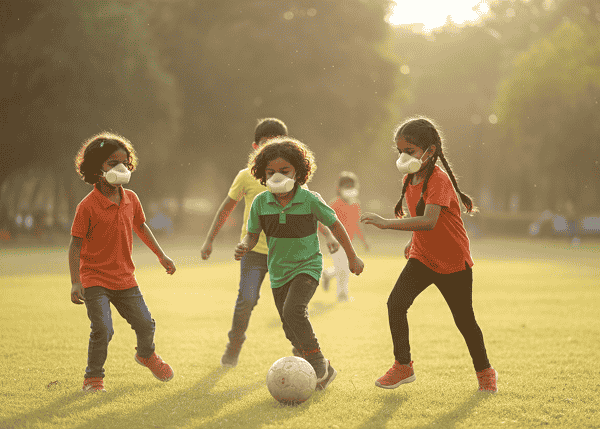
Outdoor pollution changes throughout the day. Morning and evening peaks carry heavy traffic emissions. Winters trap pollutants near the ground. Summer dust increases PM10. Children breathe faster during play and sports, which increases the amount of pollution they inhale.
Sometimes parents notice that kids struggle to run as freely on certain days or come home coughing after outdoor periods. These are often direct effects of poor outdoor AQI. On high pollution days, even short exposure can irritate the airways and reduce comfort.
Indoor air quality for kids matters equally
Many people focus only on outdoor pollution but forget that children spend most of their time indoors. Homes, classrooms and coaching centres may look clean but invisible pollutants build up easily. When windows stay closed, carbon dioxide increases. Cooking increases PM levels. Toys, mattresses and furniture release VOCs. Humidity supports mold.
AQI monitoring makes these invisible issues easier to understand. It helps parents see which rooms need airing, what times pollution peaks occur and when to adjust ventilation. Schools can also use monitors to maintain better classroom air for improved concentration and learning.
The role of monitoring in improving air quality for kids
AQI monitoring helps parents avoid guesswork. Instead of assuming the air is fresh or polluted, they can rely on actual readings. Monitoring shows when to reduce outdoor time, when to run purifiers or when to open windows. It also helps identify problem areas in homes and schools.
Prana Air monitors provide real-time readings of PM2.5, PM10, VOCs, carbon dioxide, temperature and humidity. Parents and teachers can use this information to support better ventilation habits, improve indoor freshness and provide healthier breathing environments for children.
Added protection when exposure cannot be avoided
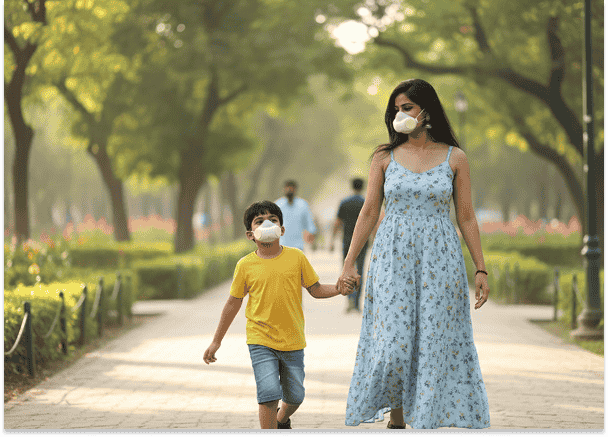
Even with the best monitoring, children still step outdoors. They go to school, play outside and move through semi-open areas daily. During high pollution days, protective masks reduce how much particulate matter enters the respiratory system.
The Prana Air Adult Kid Mask is designed to offer effective filtration in a light and comfortable design suitable for both children and adults. It is helpful during winter smog, festival smoke, traffic-heavy routes and dusty playgrounds. While it does not replace clean air, it offers valuable protection when exposure is unavoidable.
Helping children breathe better every day
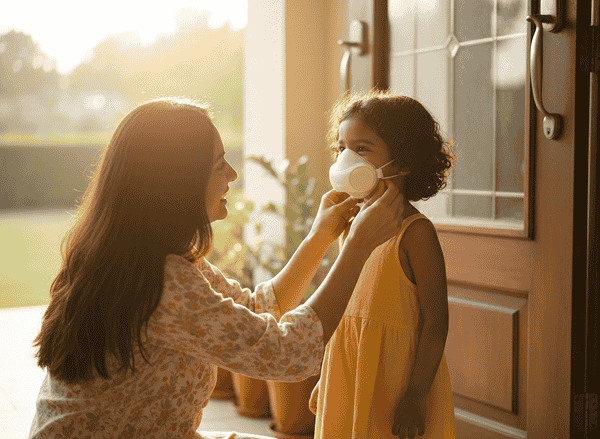
Improving air quality for kids is not about strict restrictions. It is about awareness, small habits and better decision-making. Checking AQI before outdoor play, opening windows at the right time, reducing incense and chemical sprays, cleaning soft toys regularly and ventilating classrooms between sessions can all make a difference.
Air quality influences a child’s concentration, mood, sleep and overall respiratory comfort. When parents pay attention to AQI and develop simple routines, children benefit with stronger lungs and healthier growth. With monitoring, mindful ventilation and protection when needed, families can create safe breathing environments in every part of a child’s day.

 Gyane Haobijam