















What is Noise pollution?
Noise is any excessive or unwanted sound that can have a bad effect on humans and animals. It causes physical and mental stress to those who are exposed to it for long periods of time. Human activities are the usual cause. These include transport, construction, industrial work, and leisure pursuits. Together, they create what we call noise pollution.
Difference between
Sound and Noise
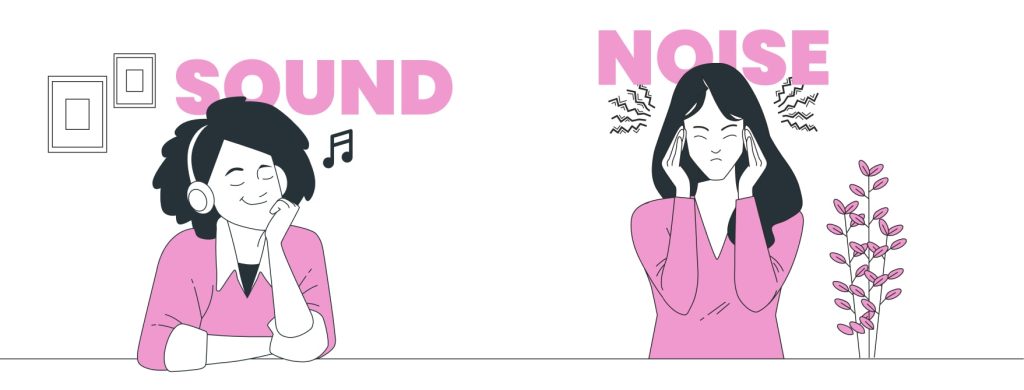
Noise and sound are two related but distinct ideas in acoustics and communication. Sound is any audible vibration of air particles. It travels through a medium, such as air, water, or solids. So it is a physical event that the human ear can perceive. It has traits such as frequency, amplitude, and waveform.
Noise, on the other hand, is any unwanted or disturbing sound that causes physical discomfort. It is a type of sound that is seen as unwelcome or irrelevant in a given place, context, or setting. Noise tends to be random, irregular, and hard to predict. It can come from many sources, such as machinery, traffic, crowds, or other factors in your surroundings.
So the main difference is this: sound is a physical event, and it can be intended or desired. Noise, though, is a subjective perception of sound that is unwanted or distracting. Also, sound can have positive effects on human feelings and behaviour. Noise, by contrast, can cause stress, annoyance, or even health problems in certain cases.
When can noise irritate you?
When noise irritates you, it can cause physical and mental discomfort, stress, and distraction. The degree of irritation varies with the type, intensity, length, and frequency of the noise. It also depends on personal factors. These include your character, your mood, and how sensitive you are to sound.
Common signs of noise irritation include:
Annoyance
Feeling agitated, frustrated, or impatient due to the noise.
Distraction
Finding it hard to focus, concentrate, or finish tasks due to the noise.
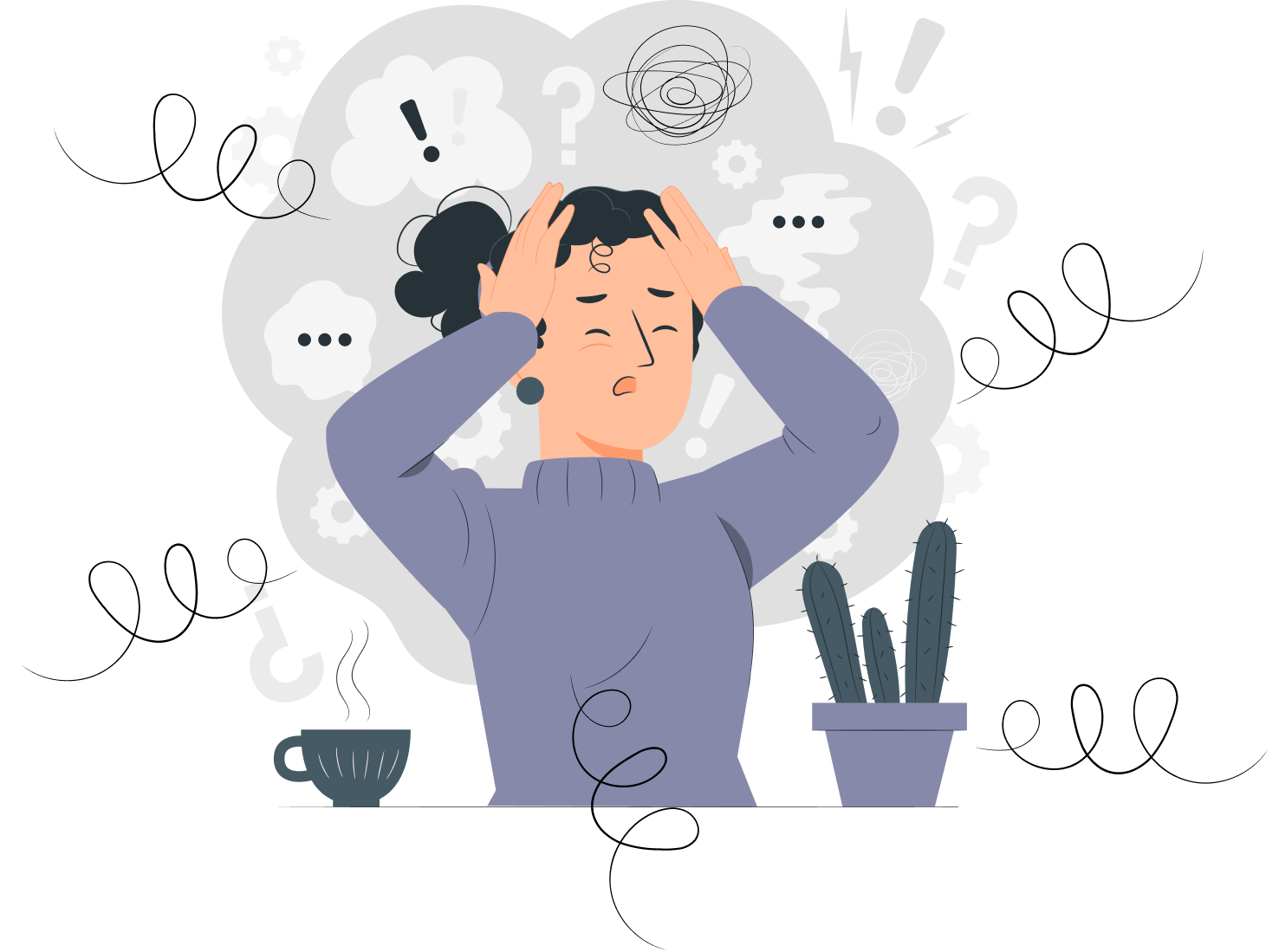
Stress
Feeling tense, anxious, or overwhelmed due to the noise.
Sleep disturbances
Finding it hard to fall or stay asleep due to the noise.
Discomfort
Having physical discomfort, such as headaches, nausea, or muscle tension, due to the noise.
To avoid or reduce noise irritation, first find the sources of the noise. Then limit your exposure to them. Use protective gear such as earplugs or noise-cancelling headphones. It also helps to create a quiet and peaceful space. Practise relaxation techniques, and take part in stress-reducing activities. These steps can ease the harmful effects of noise on your well-being.
What is noise pollution?
Noise pollution is unwanted, disturbing, and distracting sound. It reaches levels that can cause discomfort to humans and animals. It can also affect wildlife by disrupting their communication, migration patterns, and feeding habits. It can have wider effects on nature too, such as changes in animal behaviour, communication, and migration patterns.
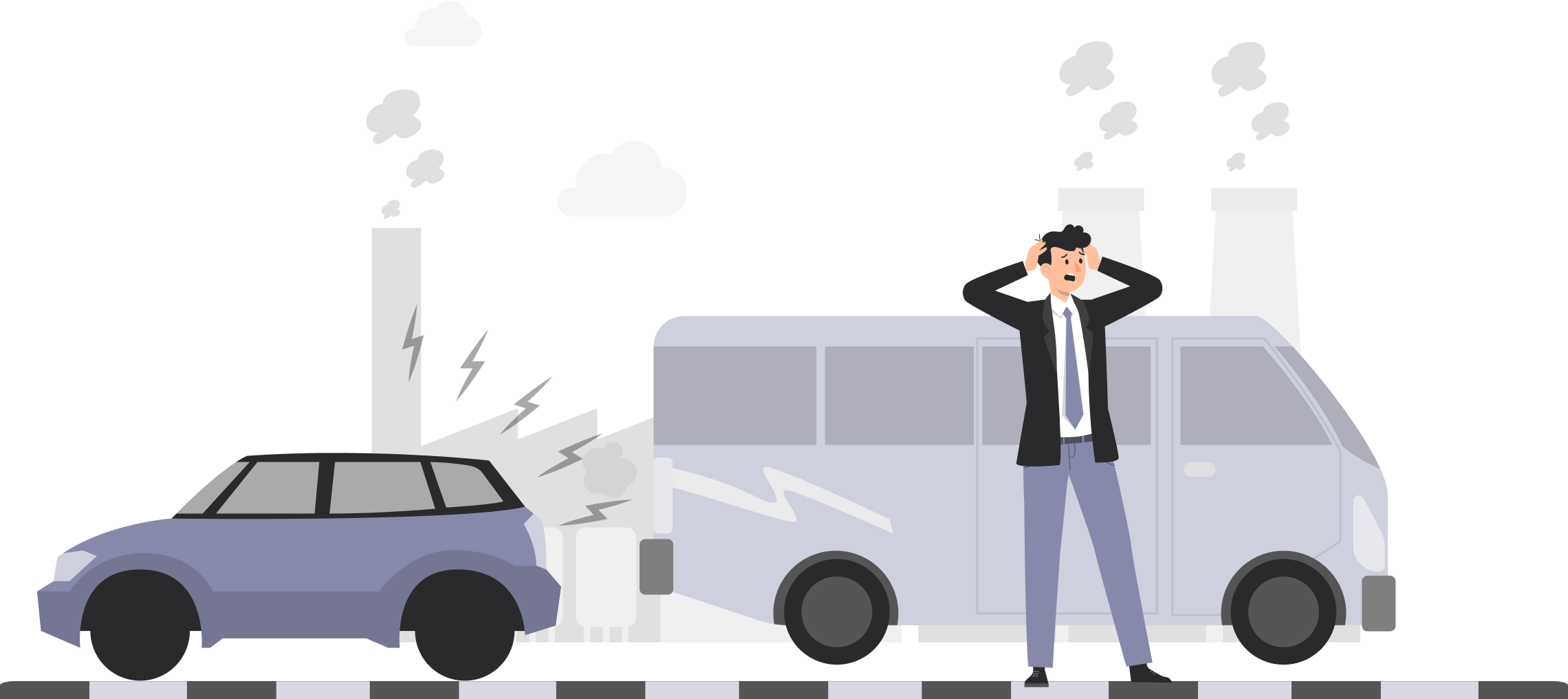
Causes of noise pollution
Many human activities cause noise pollution. This can cause discomfort to humans and animals. Small children and the elderly are affected most. Some common sources of noise pollution include:
Industrial Activities
C&D work, industrial processes, loud machinery, and so on can all generate noise. Too much noise from industry can also reduce output and raise the safety risks that the workers face.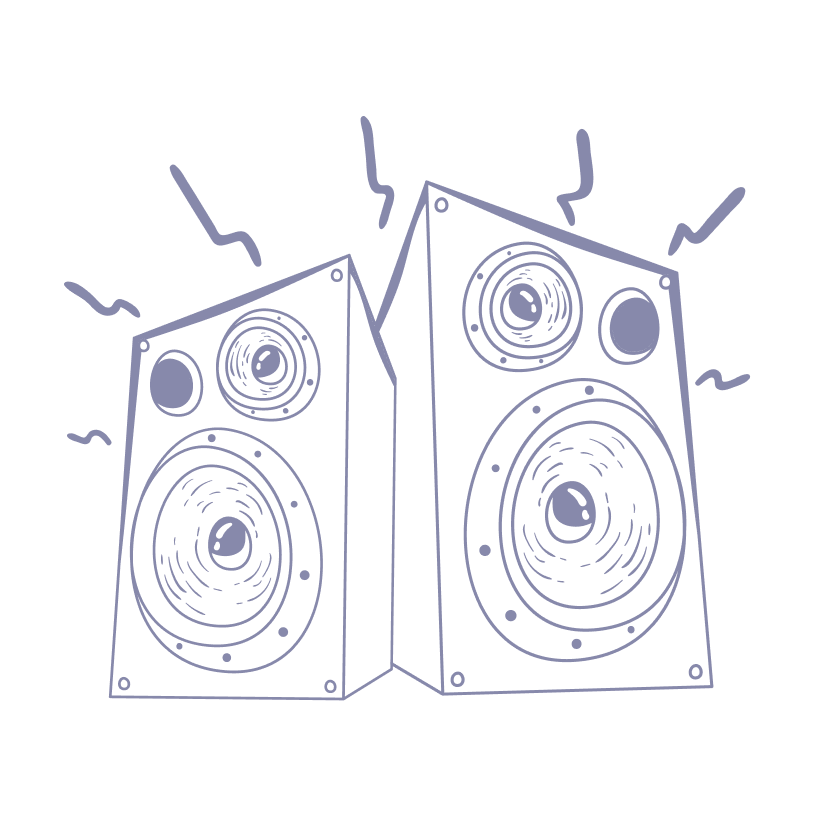
Entertainment activities
Loud music, fireworks, etc. can cause an excessive amount of noise. Long-term exposure to loud noise from leisure pursuits can also cause hearing loss. It can lead to other related health problems too.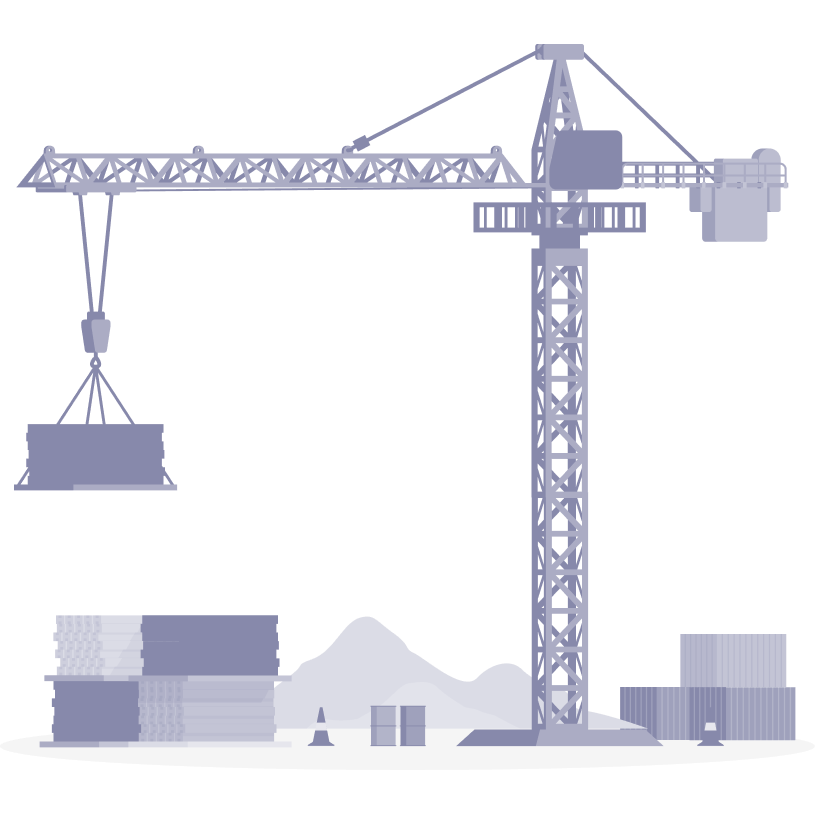
Urbanisation
More urban growth, such as the construction of new buildings and roads, can lead to more noise pollution. Noise pollution in urban areas can also affect wildlife. It can change the way they behave and the way they communicate.
Natural disasters
Natural disasters such as earthquakes, hurricanes, volcanic eruptions, tornadoes, and thunderstorms can also cause noise pollution. This comes from the sound of strong winds, thunder, and other related sounds.
Household activities
Household tasks such as vacuum cleaning, using blenders, and running certain household appliances can generate noise. This noise can annoy family members, neighbours, and even pets. It can lead to more stress.To reduce the harm from noise pollution, many methods are used. These include noise barriers, soundproofing, and rules that limit the noise levels from many different sources.

How loud are your home appliances?
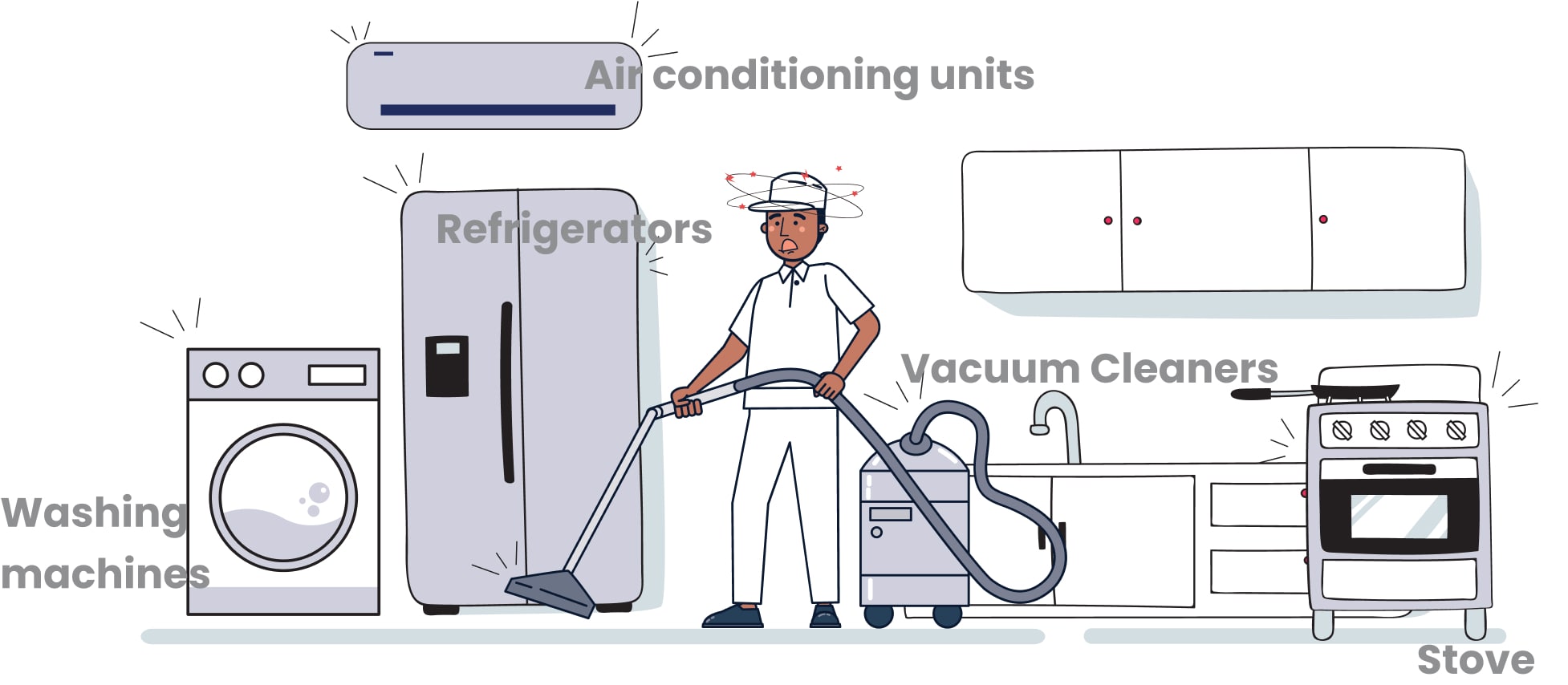
32 to 80 (dB)
Refrigerators and air conditioning units
56 to 80 (dB)
Vacuum Cleaners and blenders
47 to 65 (dB)
Washing machines and dishwashers
85 to 110 (dB)
Smoke alarms in the building
Up to 100 (dB)
Home theatre and soundbars
Keep in mind that, in the context of noise pollution, long-term exposure to noise levels above 70 dB can lead to hearing loss over time. Noise levels above 85 decibels (dB) can be hazardous after only a few hours of exposure. Levels above 100 decibels (dB) can cause rapid hearing damage. To protect your hearing and overall well-being, it is vital to monitor sound levels. Take steps to limit noise pollution in the home. You can do this by choosing quieter appliances or fitting soundproofing materials.
What is Acoustics andhow is it related to Noise pollution?
Acoustics are key to how well many settings work. These include corporate offices, retail stores, restaurants, performance halls, and home theatres. They also include private spaces such as bathrooms and living rooms, where noise control is vital. Good acoustics allow comfortable working conditions, a good dining experience, and better audio quality for entertainment. They also help create an engaging ambiance that attracts and retains people.
ACOUSTIC BUILDING COMFORT
Acoustic building comfort is the degree of sound quality and comfort within a building. It is often assessed in terms of noise levels. This is because too much noise can cause residents discomfort, stress, and even health problems.
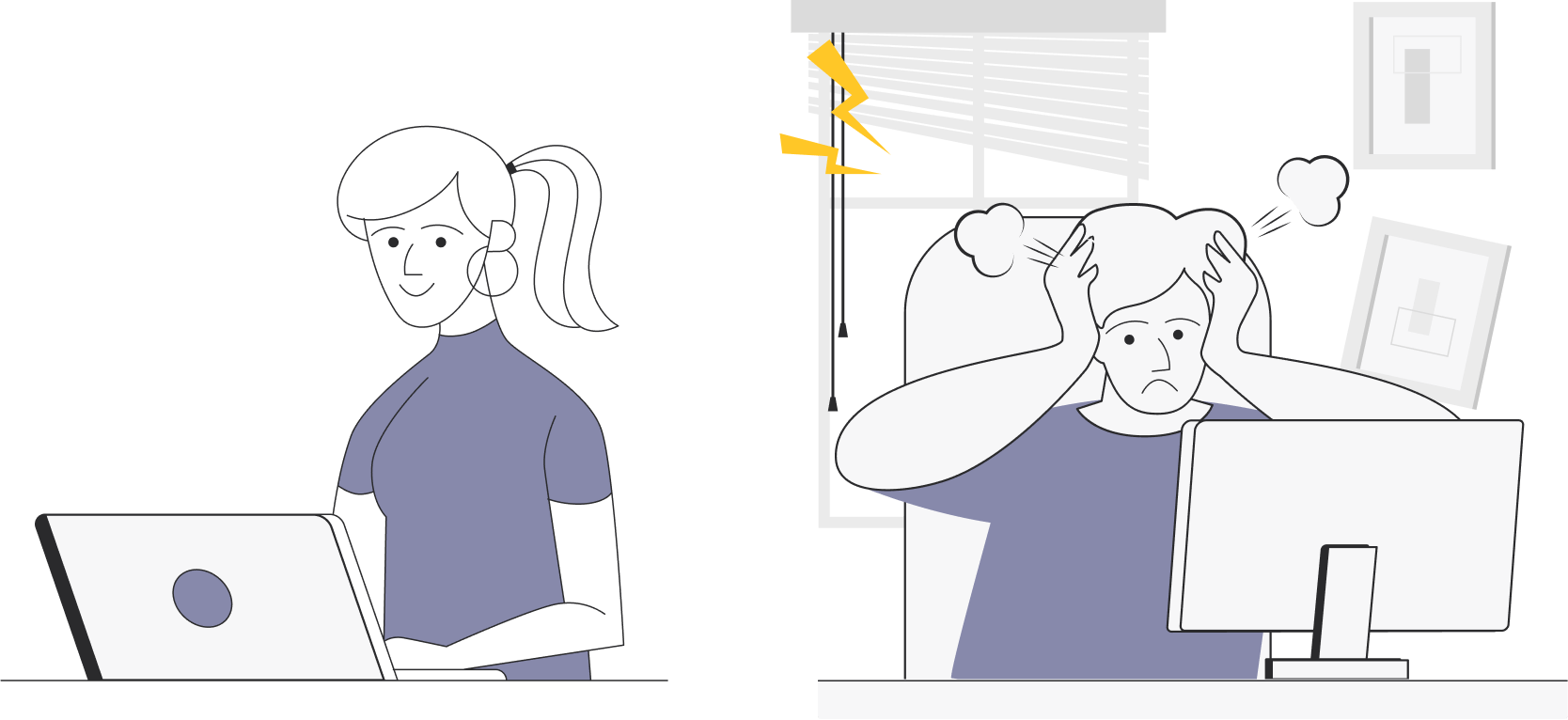
To work out acoustic building comfort from monitored noise levels in decibels (dB), a number of factors need to be considered. These include:
 Frequency of noise
 Duration of noise
 Background noise levels
Acceptable noise levelsfor indoor environment:

Noise levels in sleeping areas should be kept below 35 dB(A).

Noise levels in living areas should be kept below 45 dB(A).

Noise levels in work areas should be kept below 55 dB(A).
Fun Fact
Most humans can hear sounds between 20 Hz and 20,000 Hz. But some animals can hear sounds at much higher or lower frequencies. For example, dogs can hear frequencies up to 65,000 Hz. And whales can communicate with sounds as low as 10 Hz.
What can excessive noise do?
High noise levels can have many harmful effects on humans, animals, wildlife, and the whole ecosystem. Excessive levels of noise can cause:
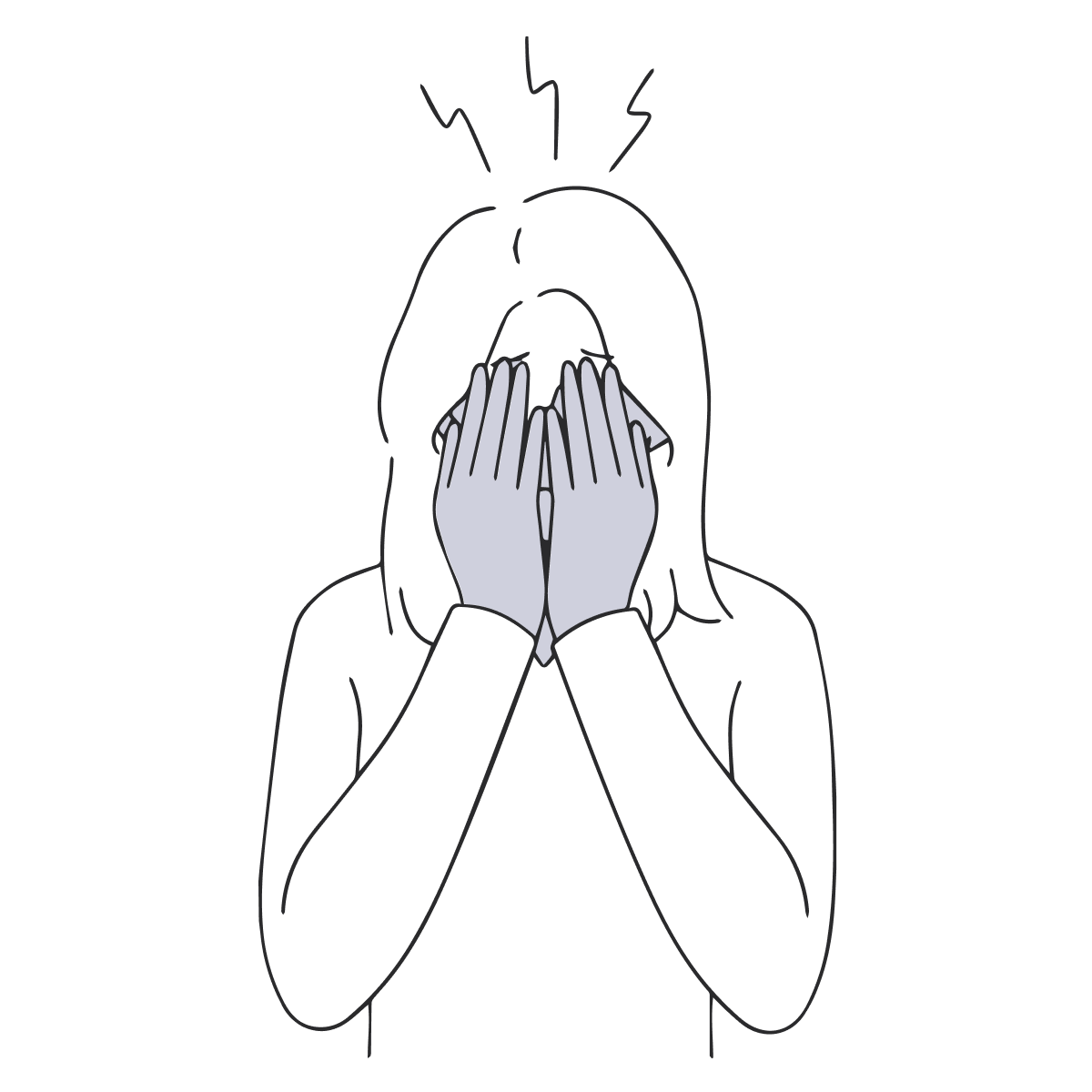
Stress and anxiety
Long exposure to too much noise can cause stress and anxiety. This can lead to physical and mental health problems.

Interference with communication
Excessive noise can make it hard to communicate. This can lead to social and mental health problems.
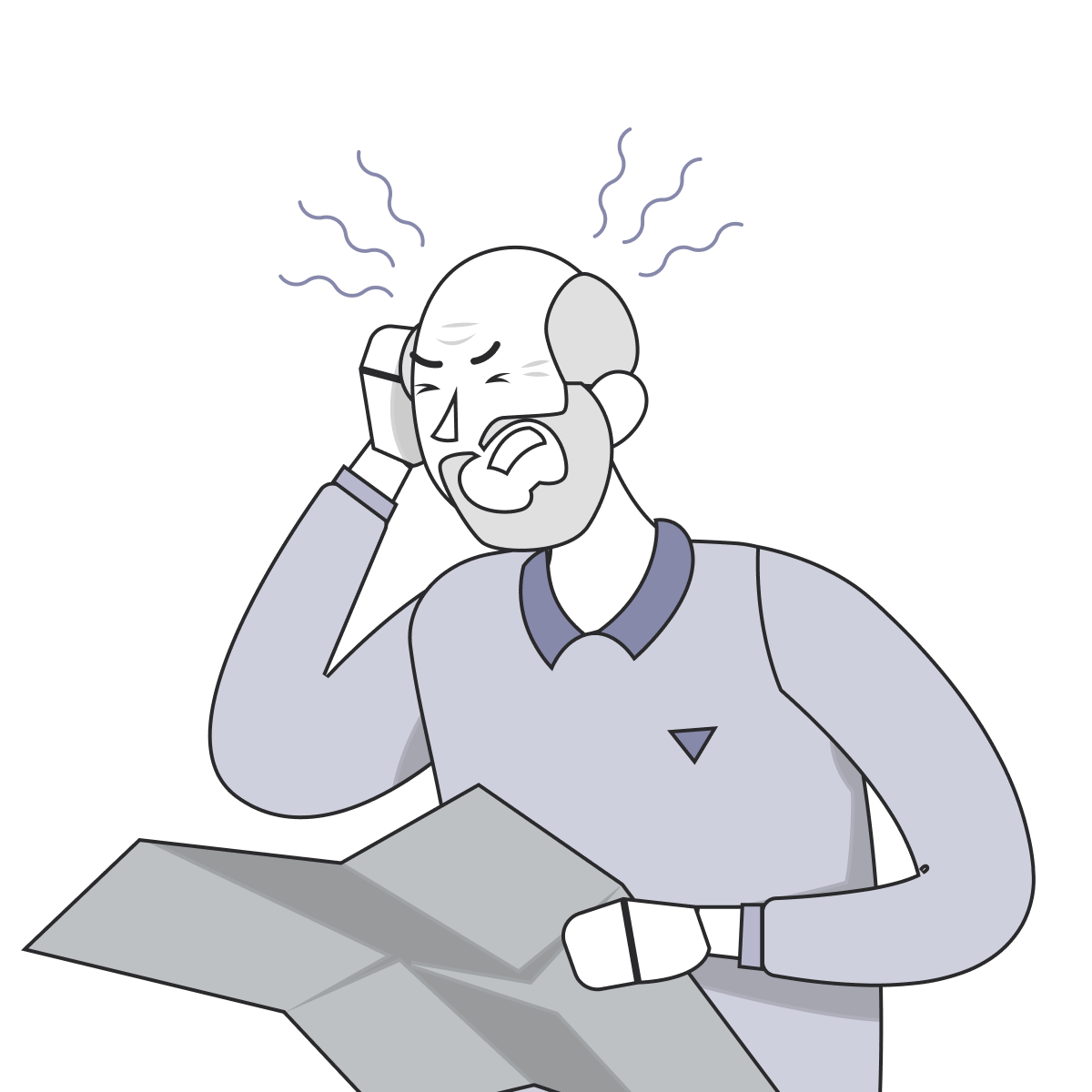
Deafness
Exposure to high levels of noise can damage the cells in the inner ear. This can lead to hearing loss and deafness.

Troubled Sleep
Long exposure to too much noise can cause trouble sleeping. This leads to insomnia and sleep disturbances.
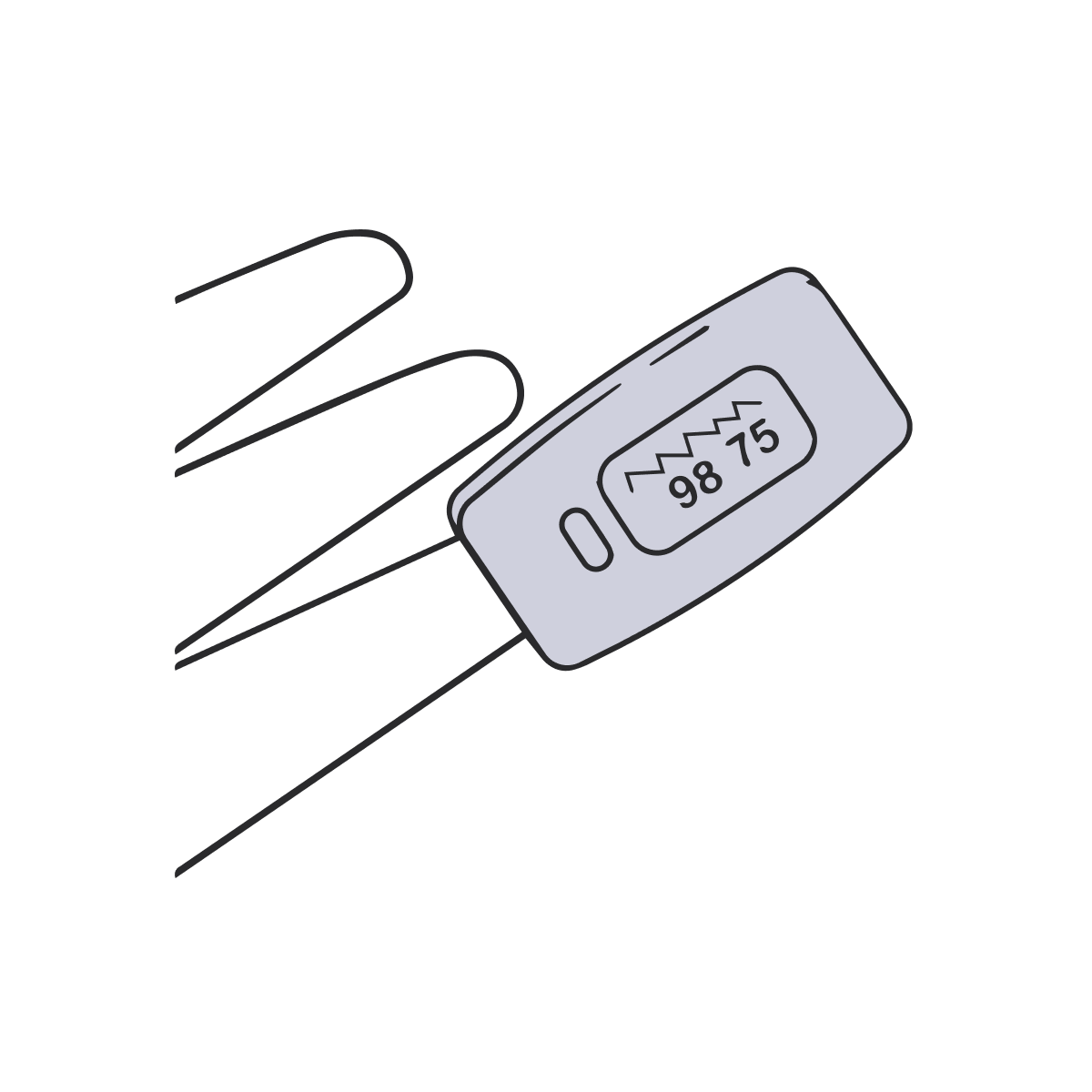
High Blood Pressure
Excessive noise can cause high blood pressure and heart and circulation problems, most of all in older people.

Wildlife
High levels of noise can cause disturbance among wildlife. This includes disruption to mating calls, breeding patterns, etc.
How does noise pollution
affects the environment?
Noise pollution can have harmful effects on the environment, including wildlife and ecosystems. Some of these effects include:

Changes in community
Noise pollution can change the make-up of animal communities. Some species are more sensitive to noise than others.
Habitat loss
Noise pollution can cause animals to avoid certain areas. This can lead to habitat loss and fragmentation.
Changes in plant growth
Excessive noise can affect the growth and development of plants. This leads to changes in the structure of ecosystems.
Ecosystem imbalance
The harmful effects of noise pollution on animals and plants can lead to imbalances in ecosystems.

What do the noise levels say?
0-40 dB
41-50dB
51-60dB
61-70dB
71-80dB
81-90(+)dB
It is important to note that these effects can vary. They depend on factors such as how long and how often you are exposed, and how sensitive you are to noise. So it is crucial to take steps to reduce noise pollution when you can, whatever the noise level.
Some examples of different sound pressure levels measured in decibels (dB):
| Noise Levels | Indoor | Outdoor |
|---|---|---|
| 50-60 dB | Normal conversation | Quiet suburb or light traffic on a highway |
| 50-60 dB | Background music at a low volume | Normal conversation or a busy street |
| 70-80 dB | Busy street noise heard from indoors | Traffic noise or a motorcycle passing by |
| 70-75 dB | Vacuum cleaner | Noisy restaurant kitchen or a jackhammer |
| 85-100 dB | Loud music from speakers | Concert music or a car horn |
| 80-120 dB | Power tools | Thunder or a jet plane taking off |
Reducing noise pollution
Noise pollution can have harmful effects on the environment, including wildlife and ecosystems. Some ways to reduce it include:
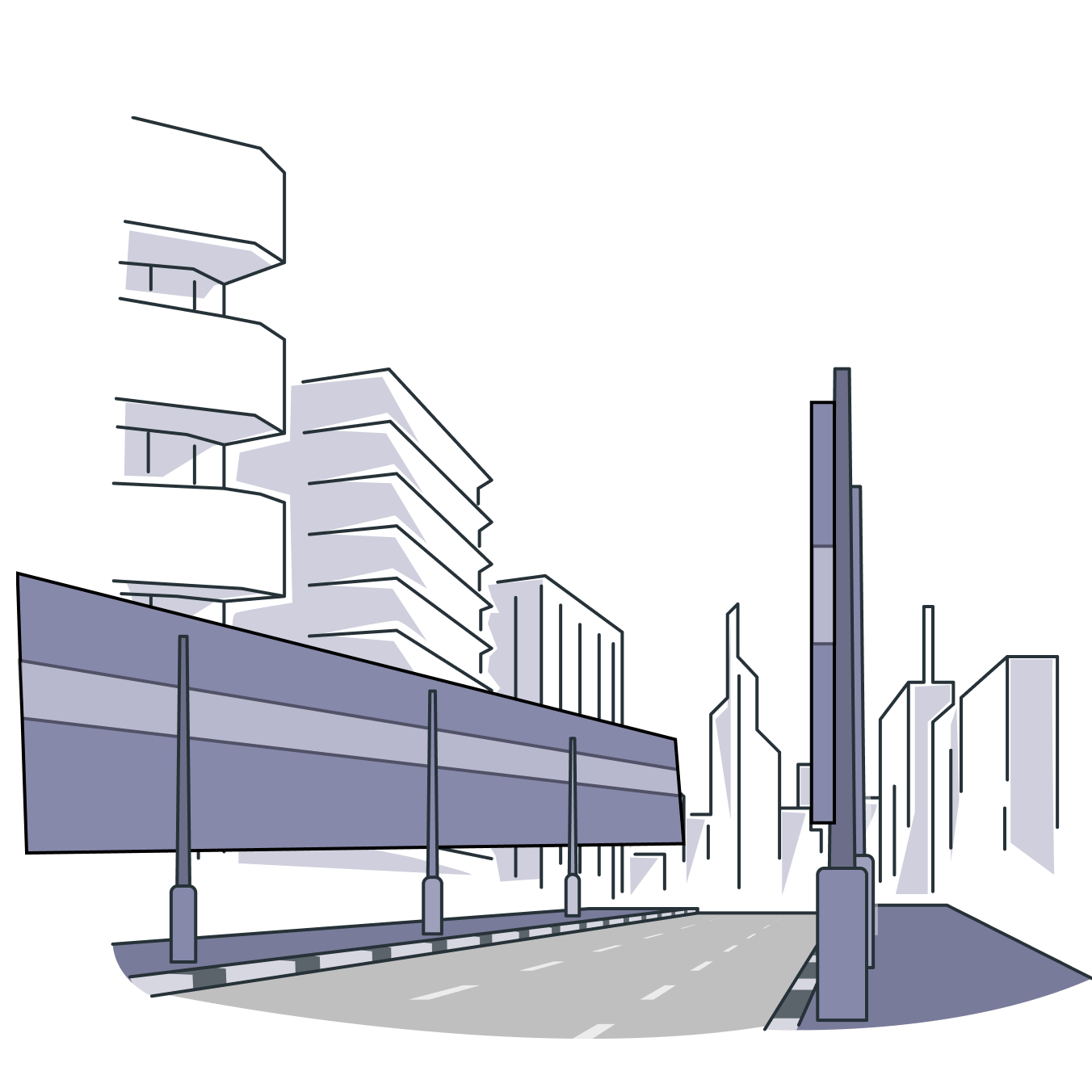
Use noise barriers
Noise barriers can help reduce noise pollution from highways, railways, and other sources.

Plant trees
Trees and plants can help absorb sound waves. This reduces the amount of noise that reaches people.

Govt. Regulations
Governments can enforce regulations and standards for noise levels. These can include limits on noise emissions from various sources. They can also require the use of noise-reducing technologies.
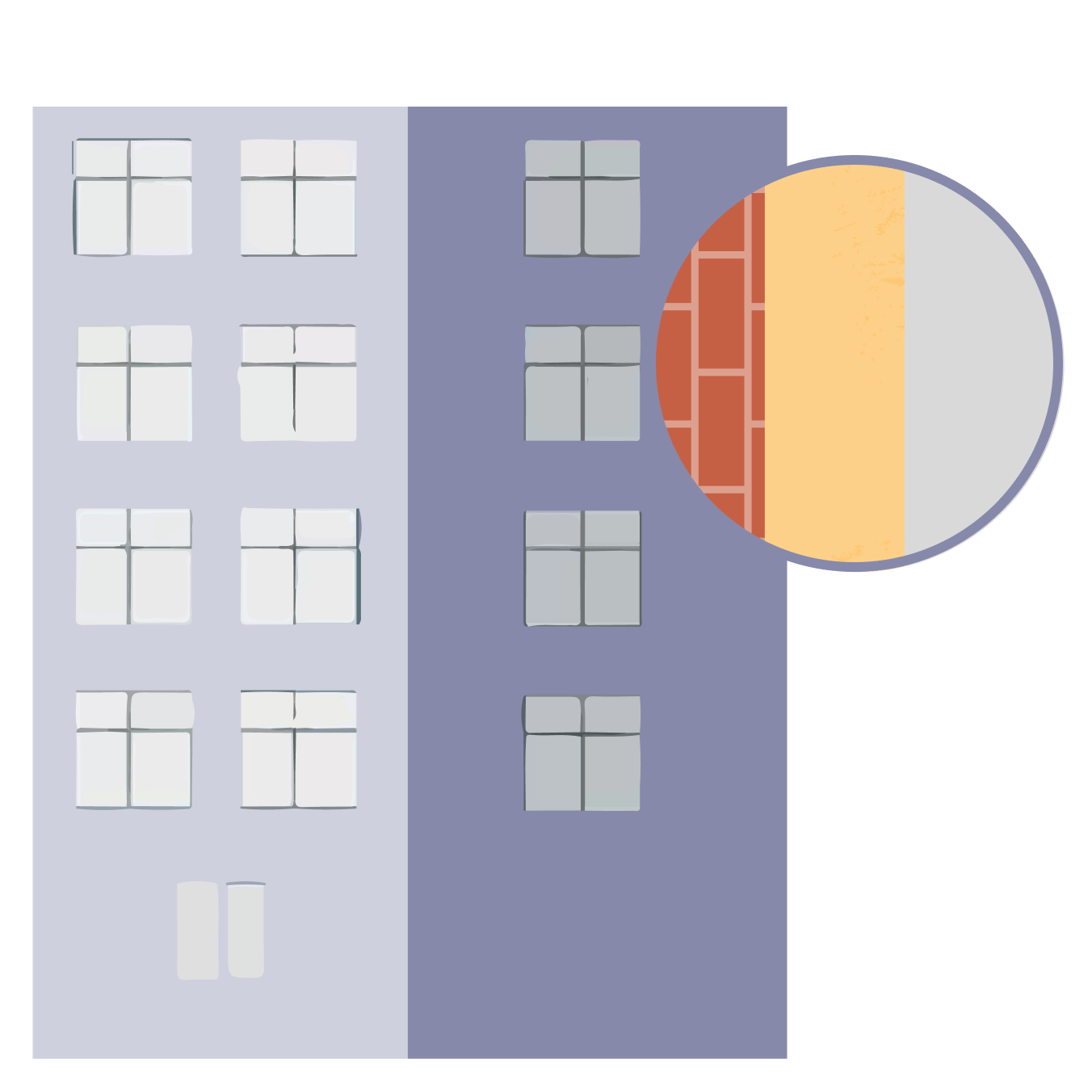
Insulate buildings
Insulating buildings can reduce the amount of noise that enters them. You can do this with double-glazed windows, soundproof curtains, and acoustic panels.

Educate people
Teaching people about the harmful effects of noise pollution, and about the ways to control it, can raise awareness. It can also encourage them to act. Overall, controlling noise pollution takes a combined effort from people, businesses, and governments.
When to know precautions are needed?
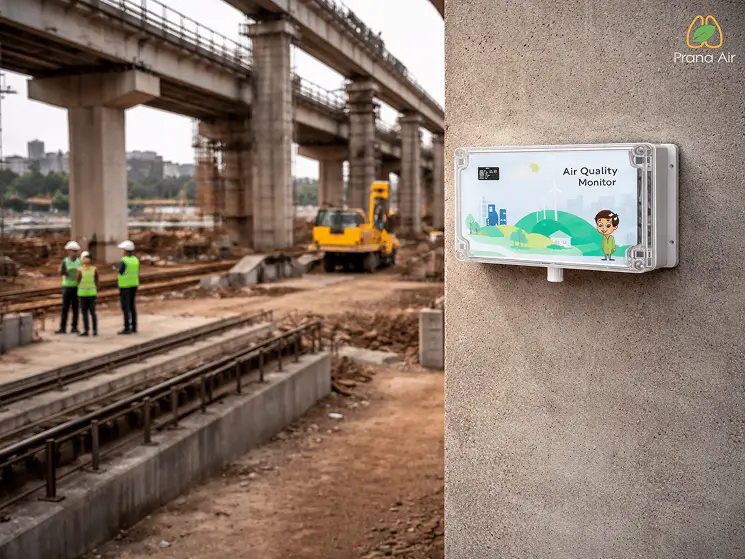
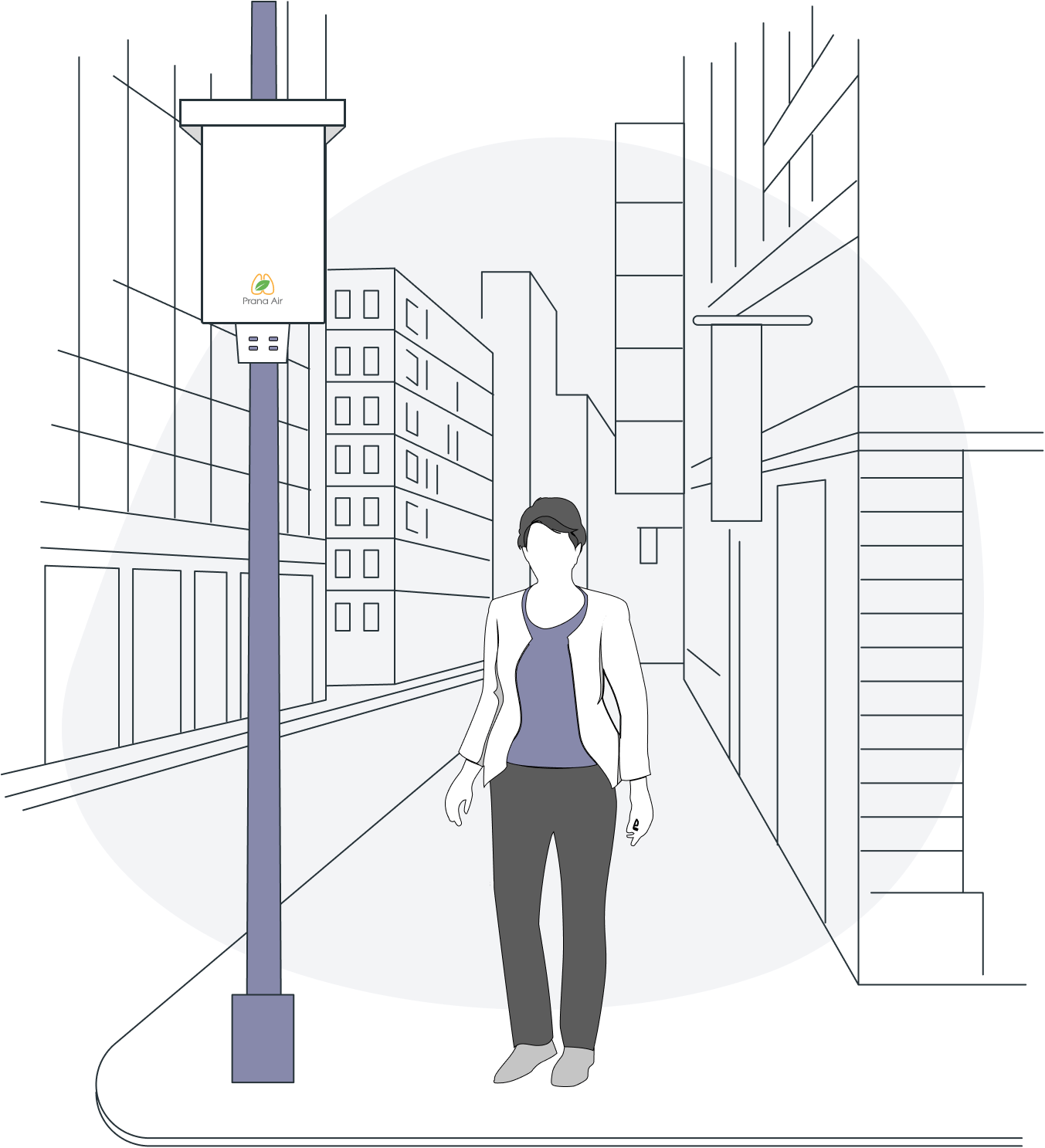
In outdoor settings, noise can often reach excessive levels. So it is important for authorities and other concerned parties to monitor sound levels. This matters most in areas with a high degree of noise pollution, such as construction sites, industrial zones, and other places that are just as noisy. It also lets them keep the noise within acceptable limits.

 Let’s Talk