






















Hydrogen Sulfide (H₂S)
Hydrogen sulfide, or H₂S, is a highly toxic gas with a distinct and unpleasant rotten-egg smell. This colorless gas occurs naturally in the air from various crude or natural oil sources, volcanic gases and spring waters. Trace amounts of H₂S are found in the atmosphere, and these are generally not harmful.
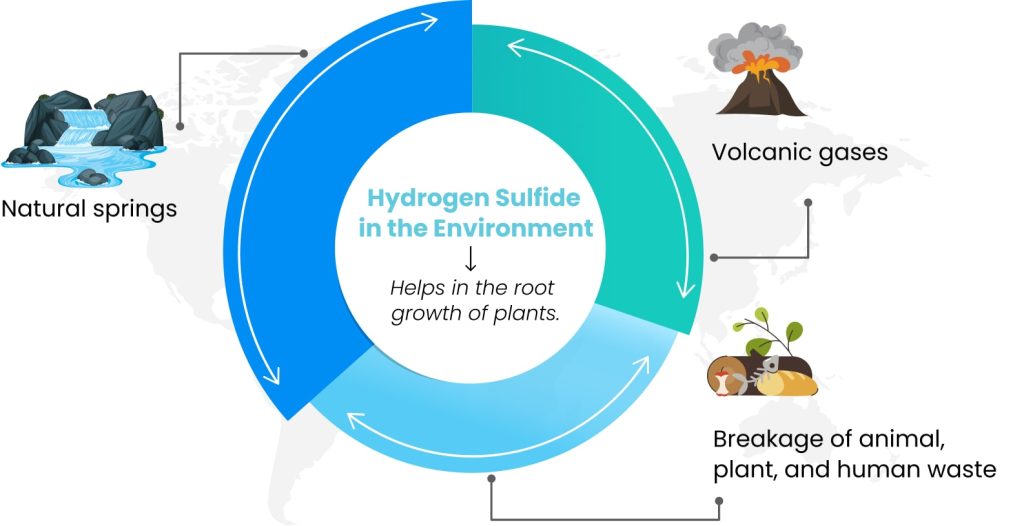
Hydrogen Sulfide in the Environment
Hydrogen sulfide forms when bacteria break down animal, plant and human waste. Volcanic gases and natural springs can produce it as well. H₂S gas dissolved in the soil helps the roots of plants to grow.
DO YOU KNOW
The main target organ of hydrogen sulfide poisoning is the respiratory system. Once inhaled, the lungs absorb hydrogen sulfide quickly. Because it affects nerve and heart tissue, this may lead to cardiac arrest or even death. The best-known sign of hydrogen sulfide poisoning is sudden death among sewage workers. You should avoid all exposure to H₂S because its harmful effects are severe. - Saiyed, H N. Indian Journal of Medical Research; New Delhi
Sources of Hydrogen Sulfide Gas
Hydrogen sulfide gas forms naturally from decaying organic matter and also comes from industrial processes. In high concentrations it can be lethal. Here are some of its potential sources:
Natural Sources

Volcanic Gases
When volcanoes are active, they naturally release H2S gas through their vents and cracks.

Gas wells
H2S gas may be present in natural gas wells, and drilling and production work can release it.

Natural Gas Reservoirs
It may also be found in natural gas reservoirs, and can escape when the gas is extracted and processed.

Natural Springs
Natural springs can be a source of H2S gas, since minerals that contain sulfur react with water to form H2S gas.

Crude Petroleum
Crude petroleum may give off H2S gas when it is extracted and processed, which poses health and safety risks.
Industrial Sources

Sewage Treatment
Sewage treatment plants may emit H2S gas as the organic content in their wastewater breaks down.

Refineries
Refineries can generate H2S gas when they process crude oil that contains sulfur. The gas can pose a threat to health and safety.

Kraft Paper Mills
Kraft paper mills use sulfur-based chemicals in the pulping process, which produces H2S gas as a byproduct
Food Processing
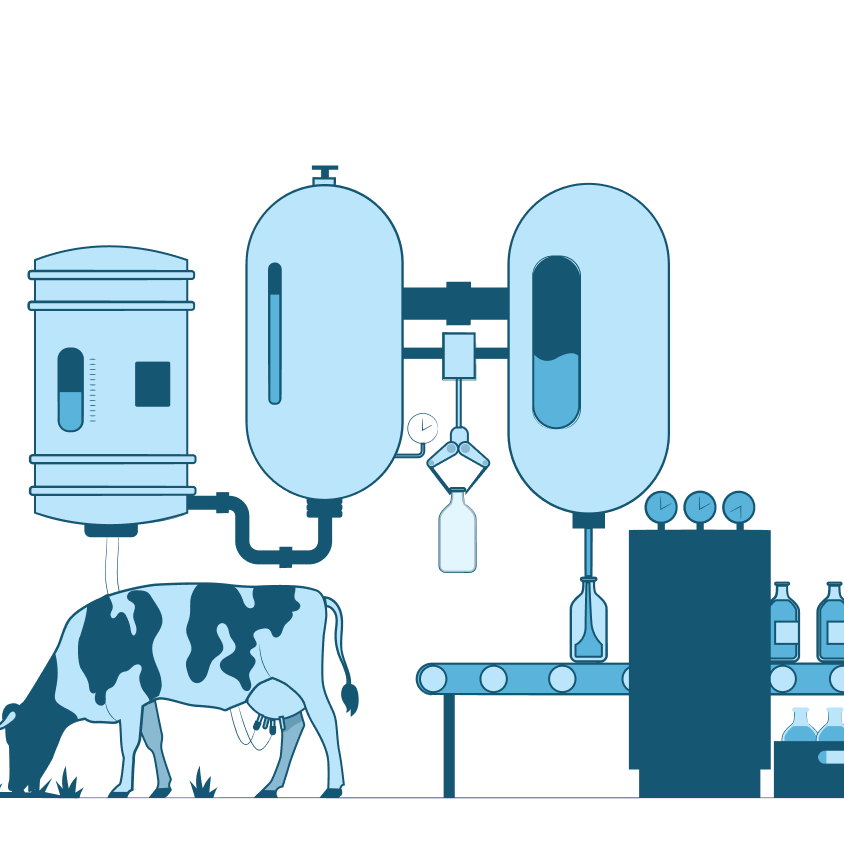
Food processing units that use sulfur and sulfuric acid also release H2S gas into the air around them.

Wastewater Treatment
Wastewater treatment plants give off H2S gas while organic matter breaks down.
Hydrogen Sulfide gas Health Hazards
H2S is extremely hazardous for workers, laborers, miners and others who must work with this gas all the time, on a regular basis. It is highly flammable and can react with steel at ambient temperature. This makes handling, storing, transporting and working with the gas very hard and demanding.
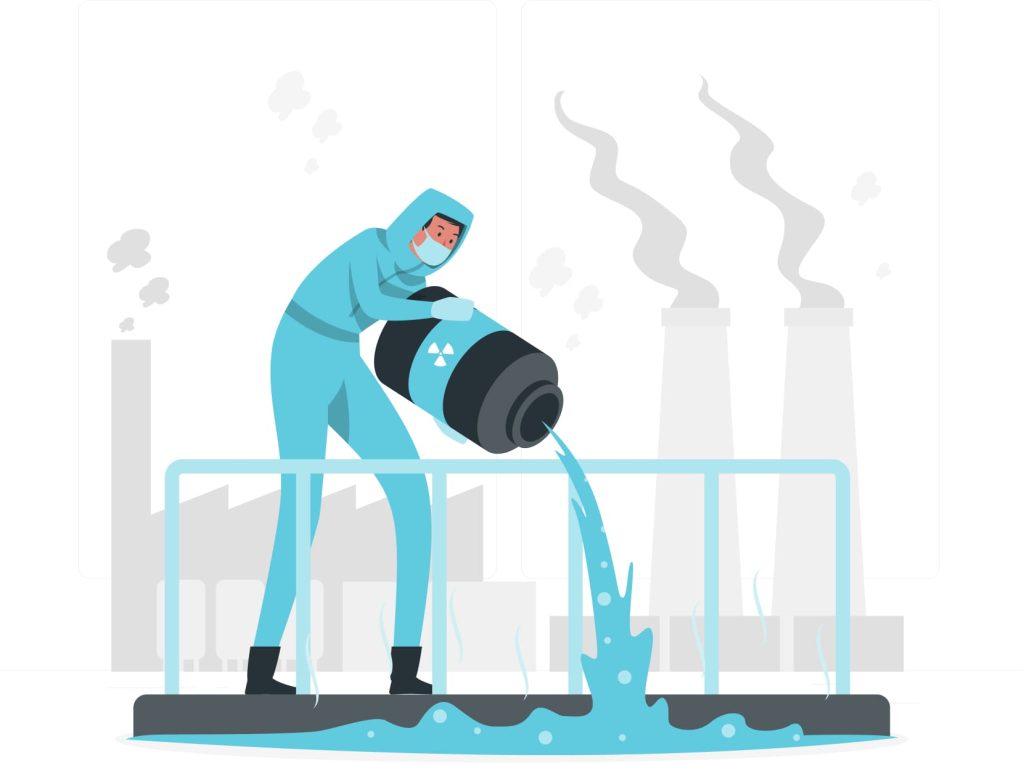
Hydrogen sulfide emissions at work pose acute health hazards. With that in mind, the table below shows the levels of H₂S in PPM set by the Industrial Safety and Chemical Hazards Sectional Committee.
- H₂S levels (PPM)
- Duration of exposure
| 15 min | >15 min | >1h-4h | >4-8ht | |
|---|---|---|---|---|
| 10 | - | - | Eye irritation | Maximum tolerable concentration for prolonged exposure |
| 50-100 | Loss of olfactory perception | Eye irritation | Eye and bronchial irritation | Serious respiratory distress and asthenia |
| 150-250 | Eye and skin irritation | Eye and bronchial irritation | Serious respiratory distress and asthenia | Danger in case of continuous exposure |
| 300-400 | Loss of olfactory perception eye | Severe respiratory distress acute asthenia | Pulmonary edema & risk of death | Pulmonary edema & risk of death |
| 500-1,000 | Loss of consciousness respiratory distress | Risk of pulmonary edema and death | - | - |
- >1,000
- Immediate loss of consciousness and respiratory distress
* As per BUREAU OF INDIAN STANDARDS
Preventive measures if you are working with Hydrogen Sulfide

Monitor your storage space
Make sure you monitor the storage area in real time, so that you can spot any spills or leaks quickly and act on them right away.

Keep an eye on the temperature
Maintain the temperature where the gas is stored. Higher temperatures can break down the gas elements, and this can cause the storage container to burst.

No smoking near storage area
The area where the gas is stored should be a NO SMOKING AREA, because the gas is highly flammable. A small spark can be deadly if hydrogen sulfide gas is in the air.

Ventilation is the key
The area must be well ventilated. Hydrogen sulfide is heavier than air, so it can easily travel to any source of ignition. That is why ventilation matters so much in storage areas.

Use precautionary measure
Always wear protective gear when you handle the gas, such as safety goggles, airtight clothing and respiratory protection. Avoid direct skin contact.

Ready to use fire safety
Keep a fire extinguisher close at hand in case of an accident. The chance of fire is high, because hydrogen sulfide gas is highly flammable.
How To Detect H₂S Gas
An air quality monitor or sensor can detect H2S gas. It gives real-time data on its concentration in the air. This data can help you make informed decisions to protect public health and the environment.
H₂S Sensor
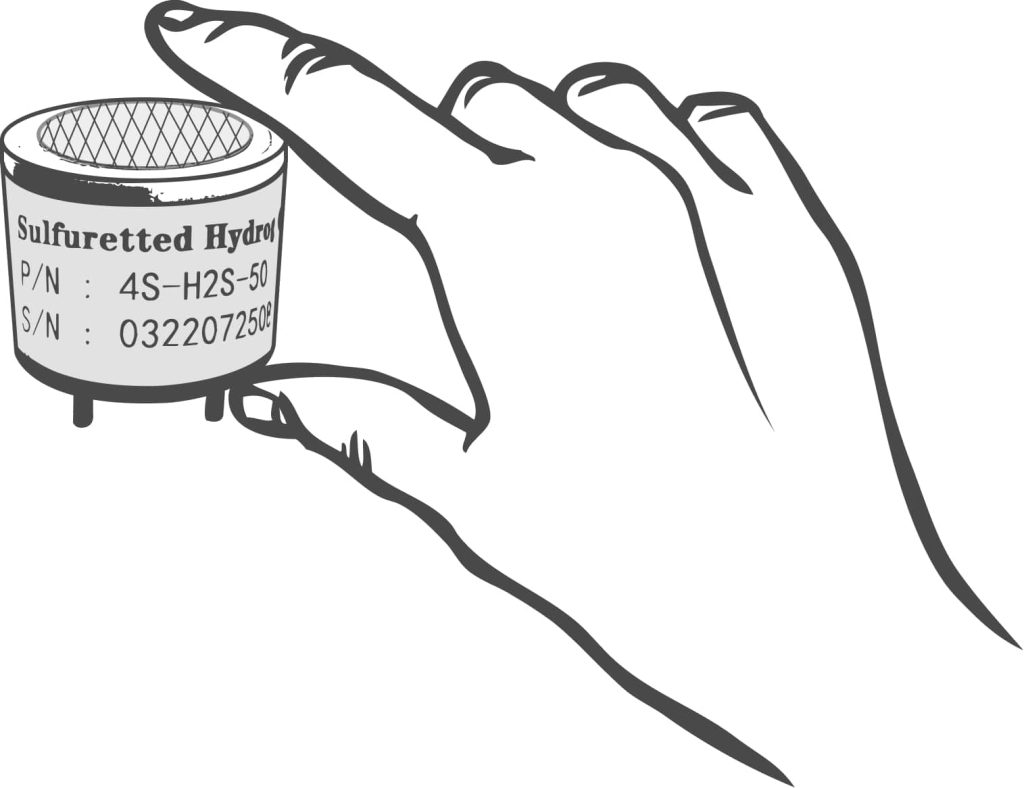
H₂S Monitor

Choose an Air Quality Monitor to Measure Hydrogen Sulfide (H₂S) Gas

 Let’s Talk