
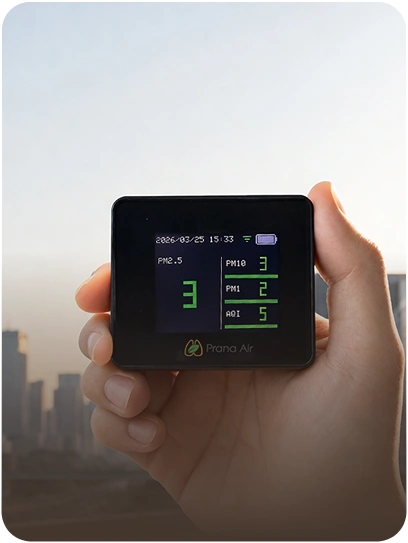
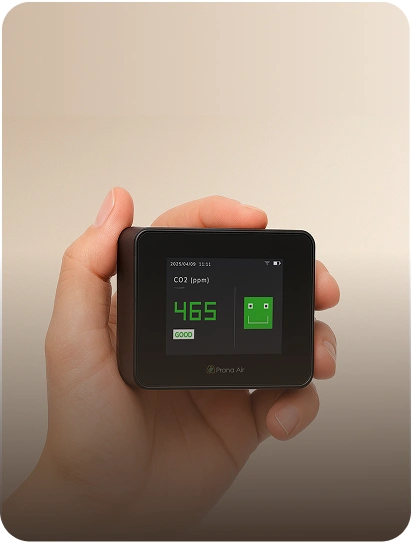
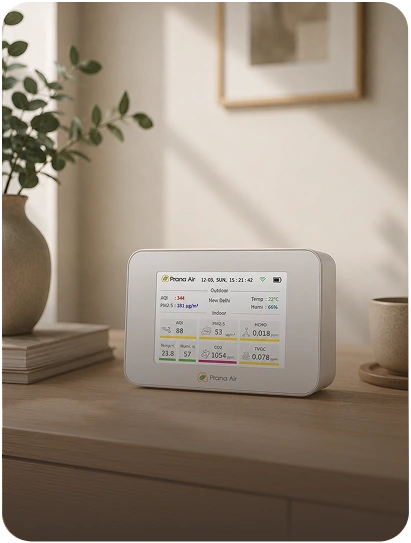
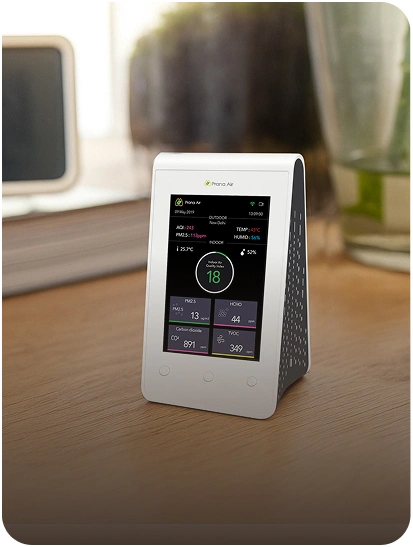
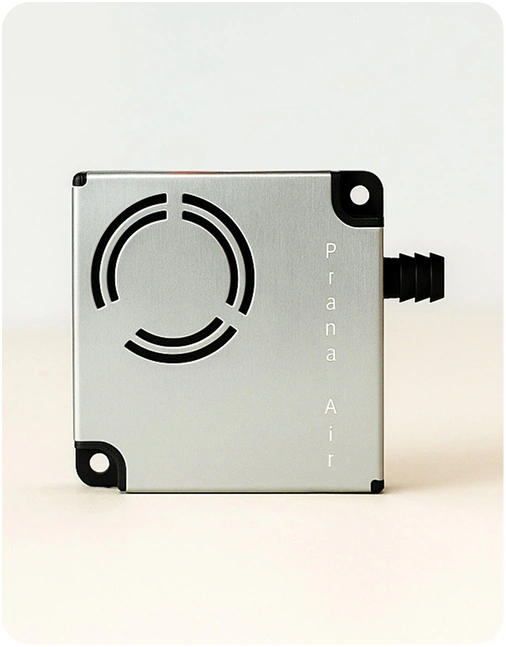











HIGH-PRECISION PM SENSOR (LASER)
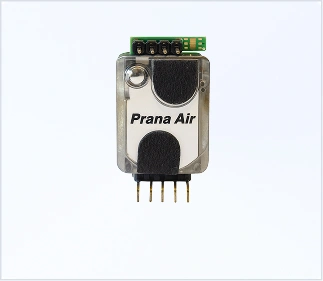
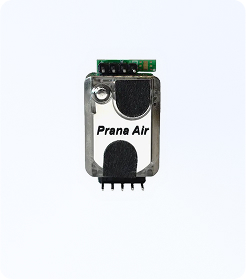
(PAS-OUT-01) - Built for industrial and outdoor air quality monitoring. Its range goes up to (0-31,000 µg/m³)
Get a Quote
Particulate Matter (PM) Monitoring Advanced Features

Smart fan control that keeps airflow stable

Self-checks that find any faults

Dust-proof design that won't clog

Compact and easy to install

Stands up well to interference

Weather-proof circuit board

Several ways to send out its data

Real-time rapid detection
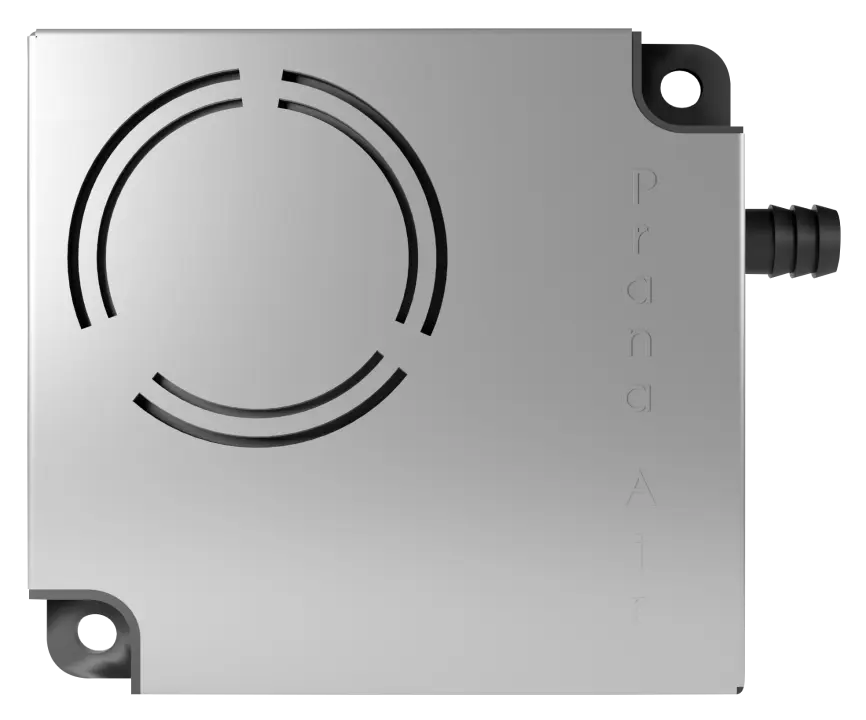

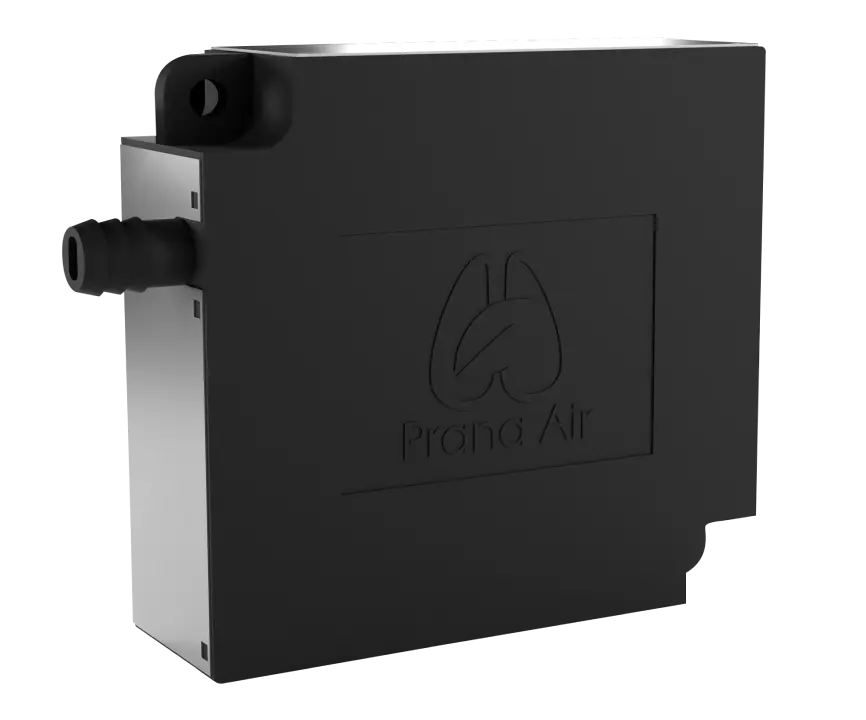
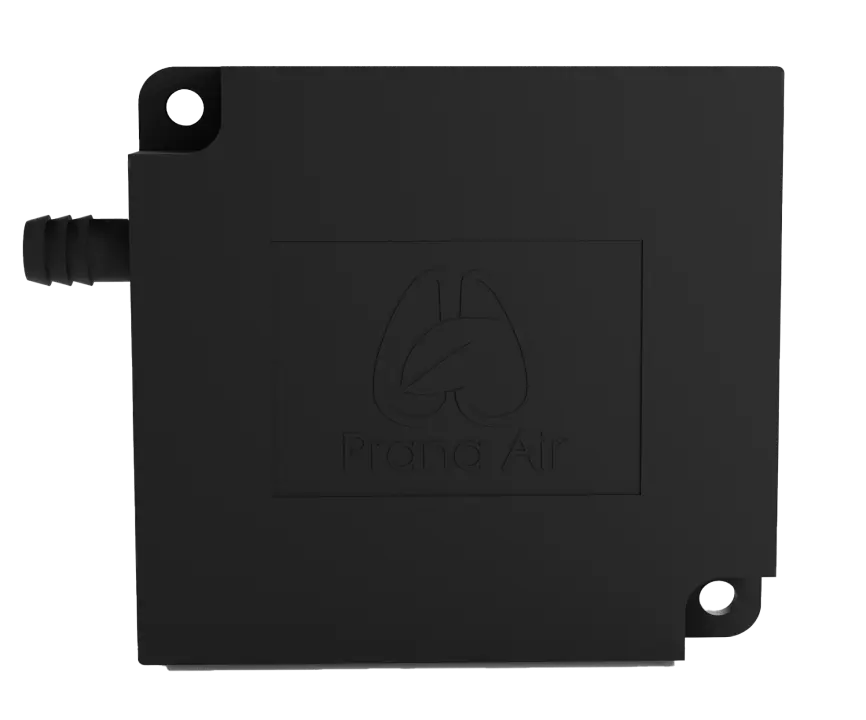
Sensing TechnologyAdvanced Laser Technology
Light Scattering at a 90° Angle
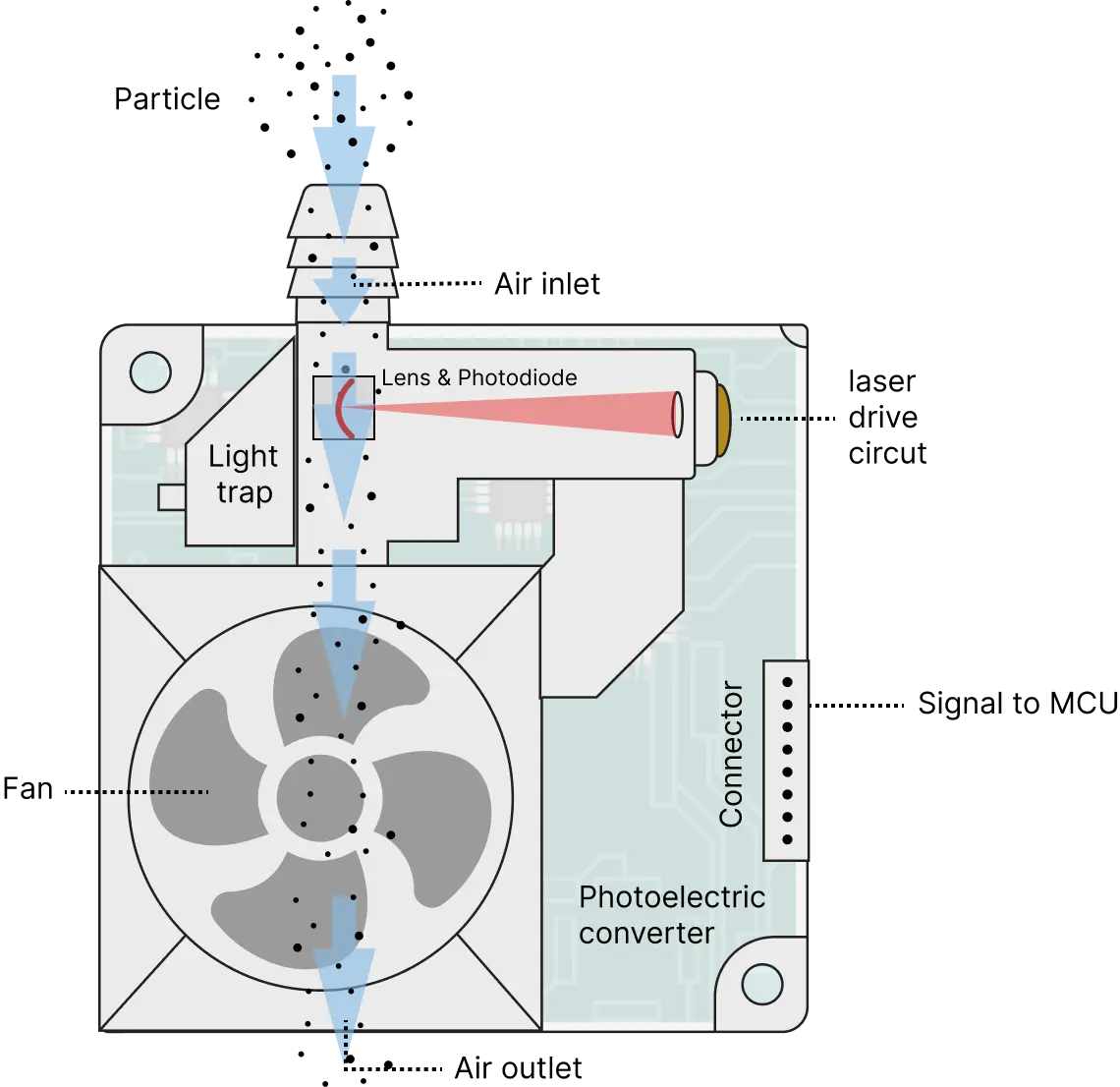
The PAS-OUT-01 is a high-performance laser sensor built for industrial sites and ambient air. It comes with a built-in laser and a light-based module, so it tells PM10 and PM2.5 particles apart with precision. The sensor works on the 90° light scattering principle to give reliable data in all kinds of settings.
Range up to(0-31,000 µg/m³)
Seamless Connectivity
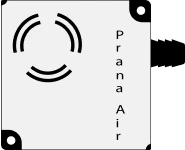
PM Sensor
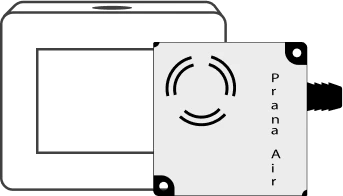
Integrated Monitoring System

Wireless link to the monitoring hub

The data goes straight to cloud platforms.

View your data on a phone, desktop, or display screen.
Our sensor has a sleek, compact design, so it fits with ease into any air quality monitor. Users can install or replace the sensor without any special technical know-how. Network access is seamless, and the data goes straight from the sensor to the cloud, where you can reach it in real time.
Sensors Made for Indoors and Outdoors
We offer sensors tuned for each type of setting, so that you get the best performance in air quality tracking.
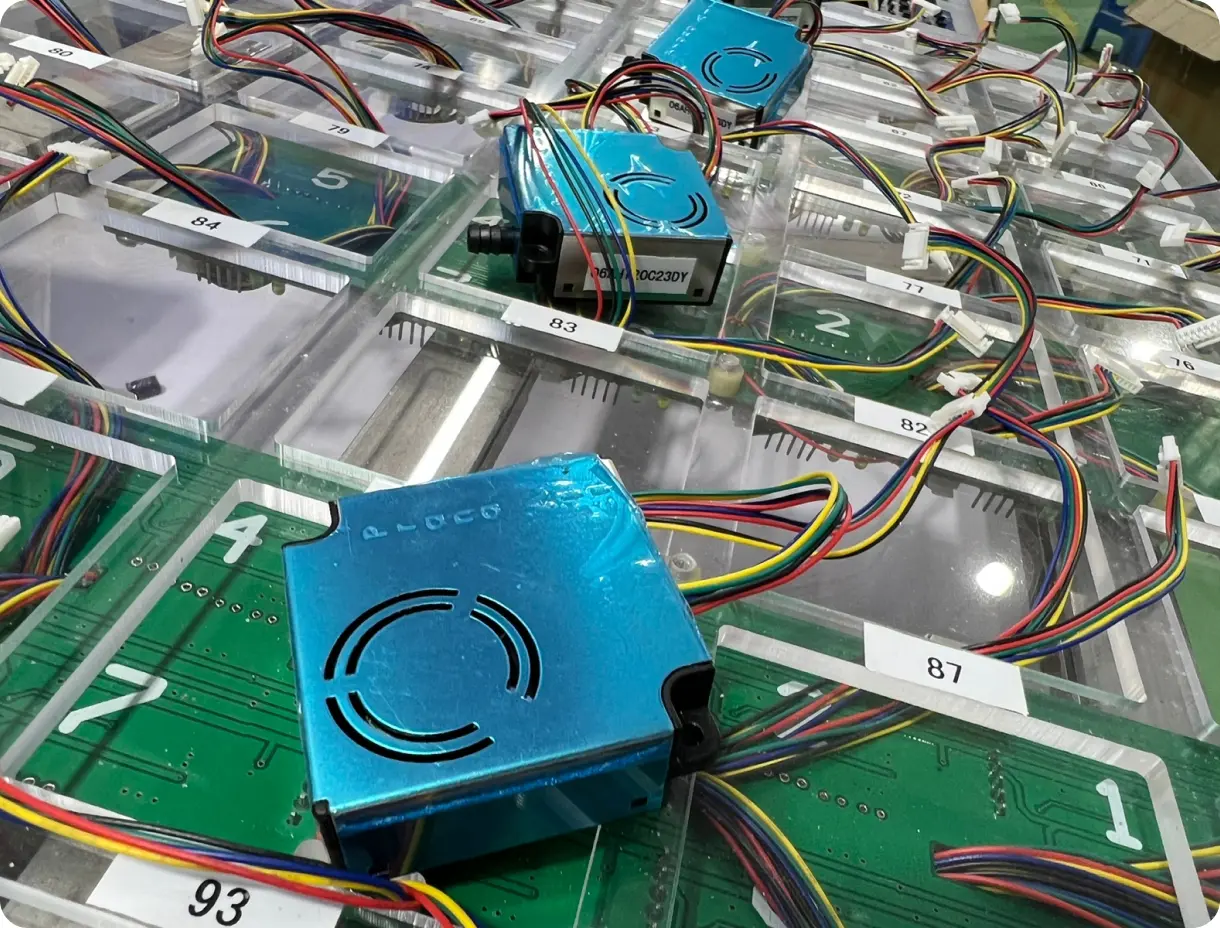
High-Efficiency Outdoor Sensor
Built to stand up to harsh outdoor conditions, this sensor uses advanced filtration to give you reliable particulate matter data in open spaces.
Get a Quote
High-Sensitivity Indoor Sensor
Designed for homes, offices, and schools, the indoor version picks up even small changes in particle levels. This gives you accurate readings in closed spaces and a healthier environment.
Get a Quote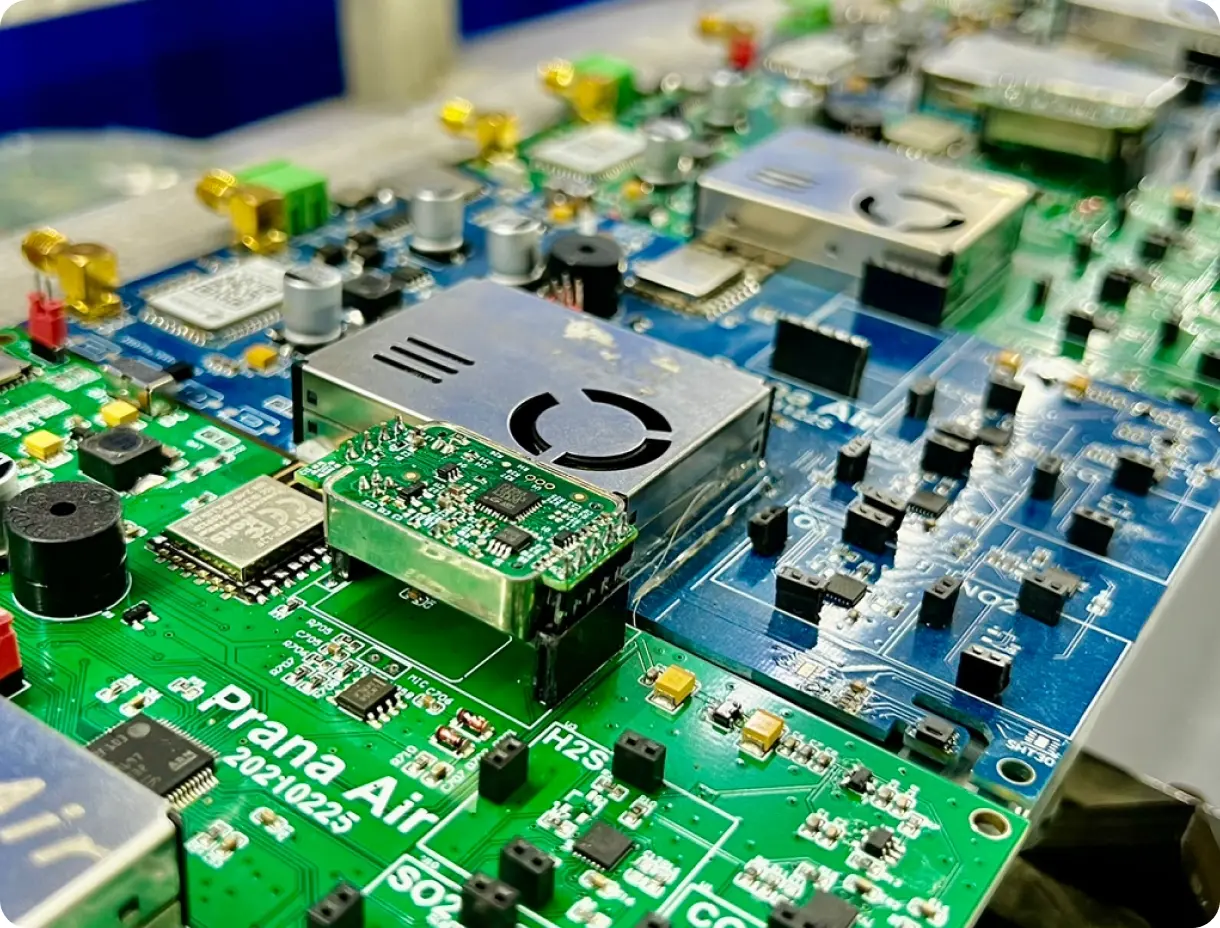
Pollutant Size Comparison

Particulate Matter (PM) is made up of tiny particles or droplets that stay suspended in the air. These pollutants can get deep into the lungs and airways, which poses a serious risk to health.
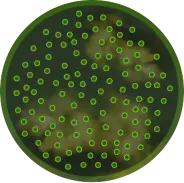
PM1
Smaller than 1µm

PM2.5
Smaller than 2.5µm

PM10
Smaller than 10µm
A Guide to Particulate Matter
Particulate Matter (PM) is grouped by size, with PM2.5 (fine particles) and PM10 (coarse particles) being the pollutants tracked most often.
- PM1
- PM10
- PM2.5
- PM2.5
- PM1
- PM10
Learn more about PM sizes
PM1
Ultrafine particles with a diameter of 1 micrometer or smaller. These can pass straight into the bloodstream and may lead to serious health issues.
PM2.5
Fine particles smaller than 2.5 micrometers. Their small size lets them get deep into the lungs, where they can cause long-term damage to the airways.
PM10
Particles you can inhale that are smaller than 10 micrometers, such as dust and pollen. The nose and throat usually filter them out, but they can still cause strong allergies.
Particle Count
This metric tracks the total concentration of particles in the air, whatever their size. It gives you a full picture of the overall air quality in one number.
Common Sources:
 Vehicle Emissions
 Industrial Emissions
 Construction Sites
 Wildfires
 Road Dust
Accuracy Test: Prana Air Sensor vs. BAM
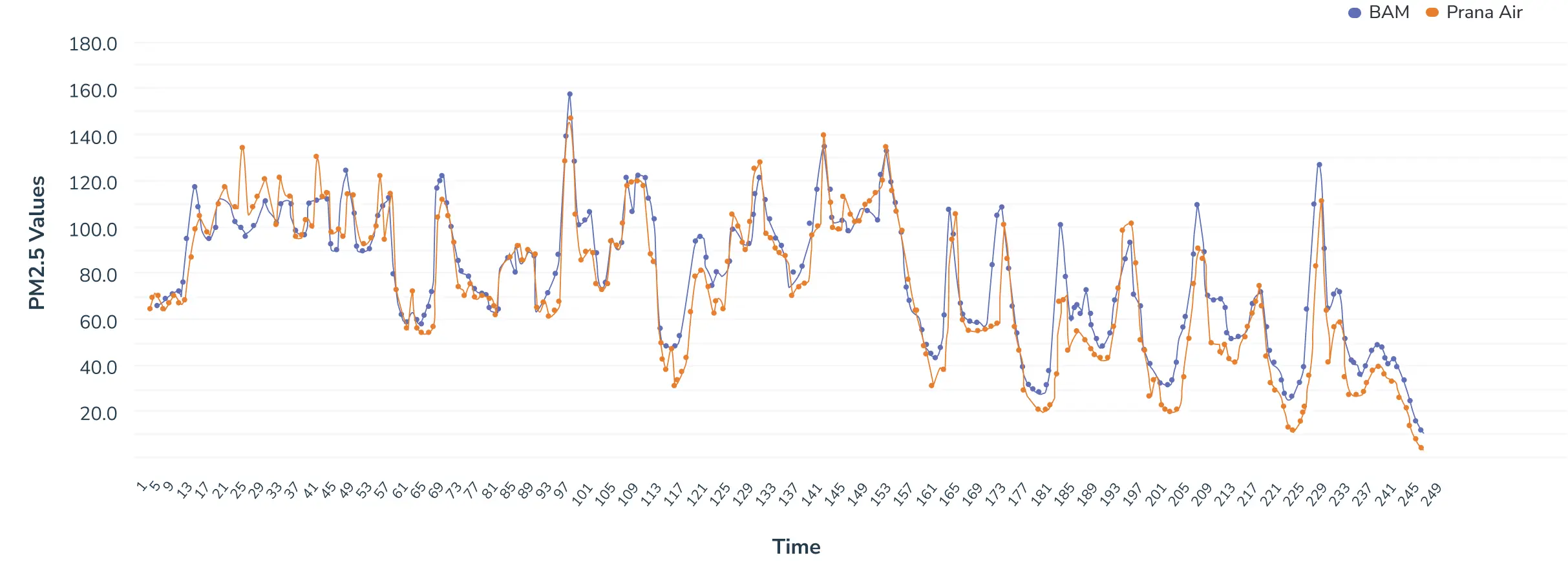
A detailed study was carried out. It compared the accuracy of the Prana Air PM sensor with the high-end Beta Attenuation Monitoring (BAM) system.
The results confirmed a strong correlation between the two instruments. The sensor performs at close to reference grade.
Trusted by Groups Around the Globe










Industrial & Commercial
Applications
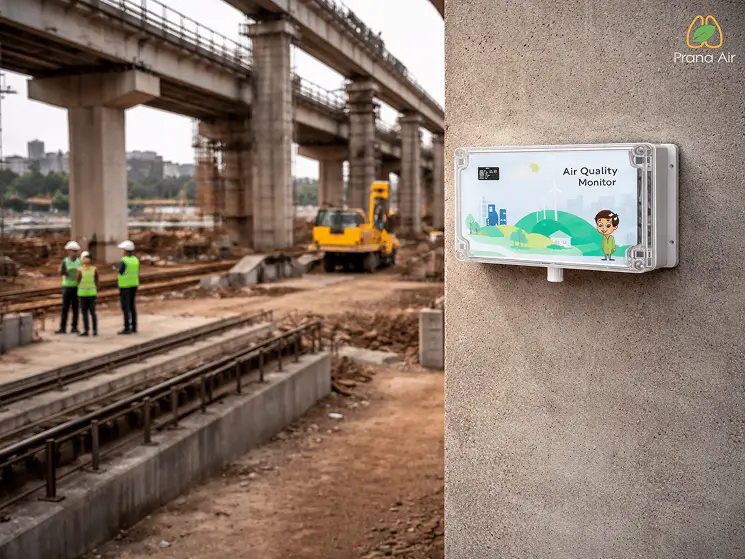
In Use at Construction Sites Around the World
Our sensors are in use at thousands of construction sites to track dust and emissions. This real-time data helps site managers stay in line with environmental rules and keep the air at the site safe.
2000+
- Deployments

- Compliant
Environmental Norms
Our Sensors Case Studies
Case Study By IIIT Hyderabad
Comparative Evaluation of New Low-Cost Particulate Matter Sensors
Study Brief : The paper tested our Prana Air device alongside other low-cost sensors for PM2.5 and PM10 readings. The team compared the results with the standard Aeroqual Series-500. Their problem with traditional devices was the high cost, the weight, and the frequent need for service, which limited their use in cities.
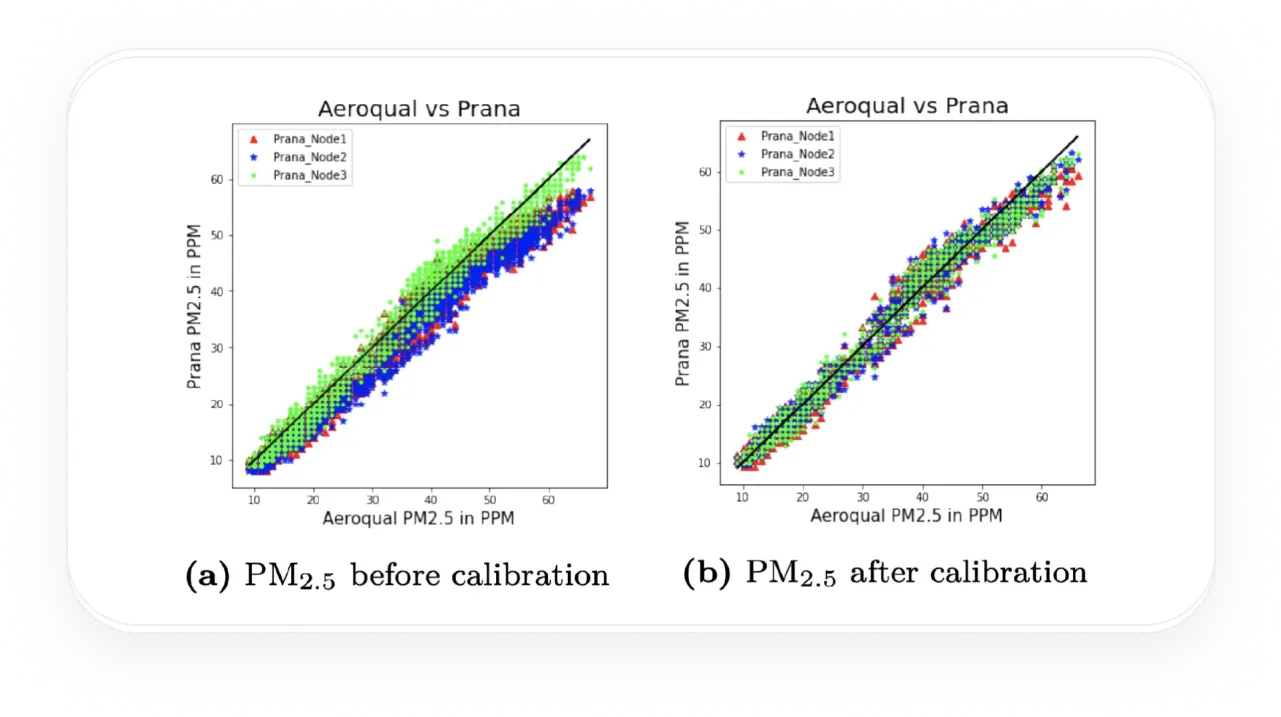
Note : The monitors update every 30 seconds. Our PM sensors have a resolution of ±1.0 micrograms per cubic meter, and our NO2 sensors have a resolution of ±1.0 ppb.
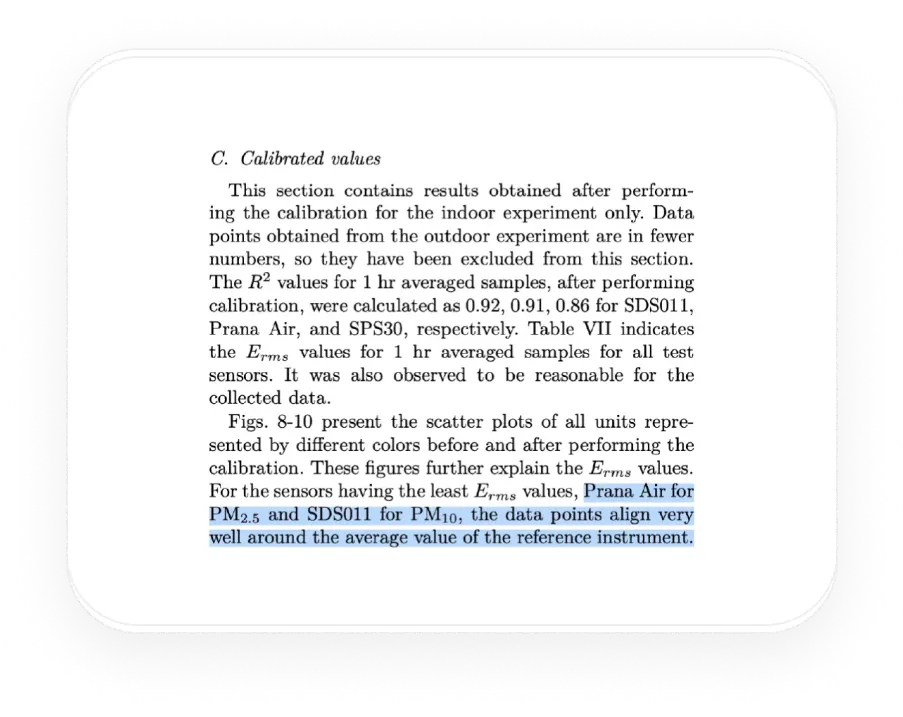
Find Full Study Here :https://ieeexplore.ieee.org/document/9590448
Case Study By NEERI (CSIR)
Performance‐based protocol for selection of Affordable and easy to carry sensor for air quality measurement
Study Brief : In this research, the team used our device in their Environmental Protection Sensors (EPS) assessment. They compared the factory calibration data with reference monitors. Their challenge was to find a sensor that was cheap enough but still accurate, sensitive, and good at handling data. In the end, Prana Air proved to be a reliable and low-cost choice.
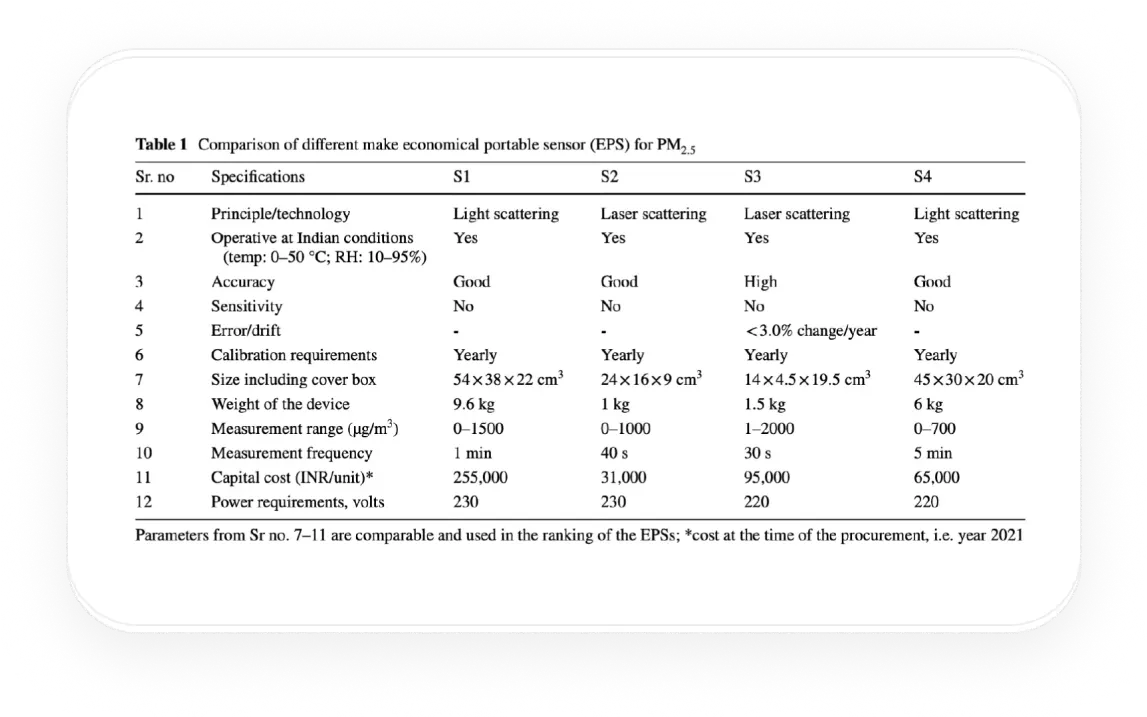
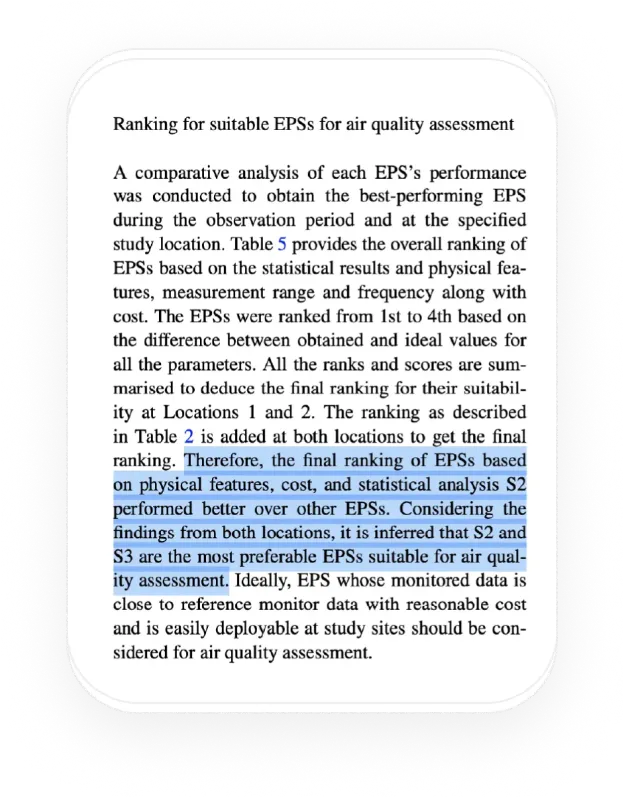
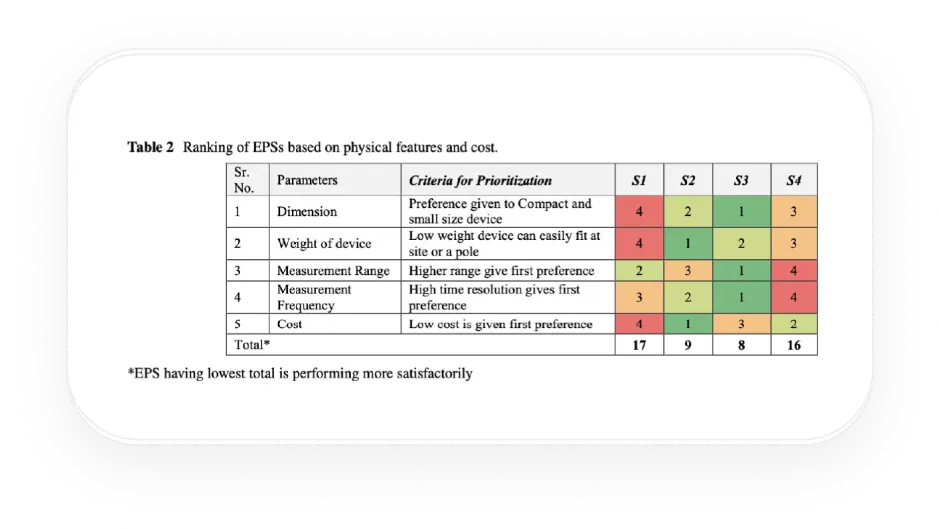
Find Full Study Here :https://pubmed.ncbi.nlm.nih.gov/37318651/f
Health Risks of Particulate Matter

Asthma & Allergies

Increased Cancer Risk

Respiratory Issues

Chronic Lung Disease

Cardiovascular Impact
Technical Specifications
Model Name:
PAS-OUT-01
Rated Voltage:
5V
Communication Logic:
3.3 V
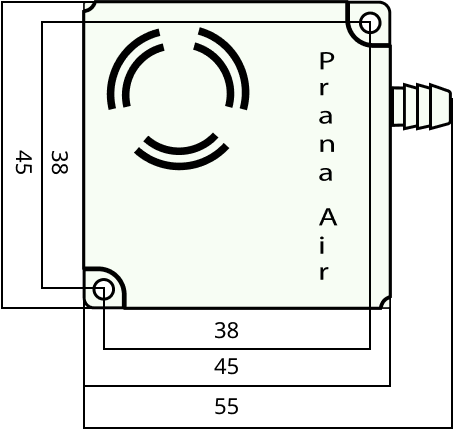
Dimensions (L x W x H):
4.5 x 4.5 x 2 cm
Particle Resolution:
0.3 µm
Storage Temp:
-20 to 85 °C
Operating Temp:
-20 to 70 °C
Operating Humidity:
0-99% RH (Non-condensing)
Rated Current:
70mA
Mass Resolution:
1 μg/m3
Outdoor Sensor Specs
Indoor Sensor Specs

Contact Our Team
Tell us what you need, and one of our air quality experts will get back to you shortly.



 Let’s Talk