


















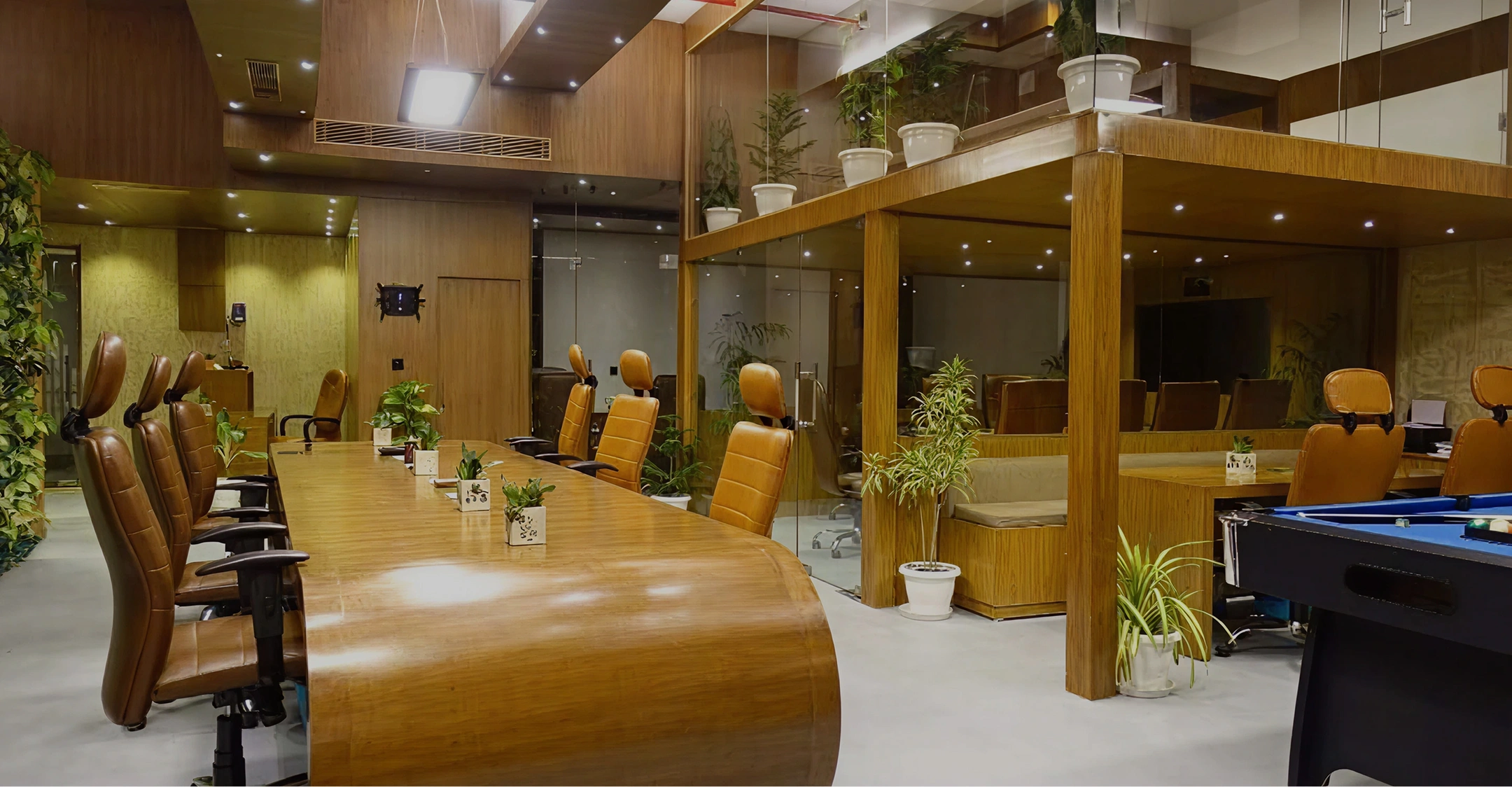
Factors affecting air quality in Railway Stations
Diesel-powered trains and crowded stations are driving a rise in air pollutants at railway stations.

Particulate Matter (PM2.5 and PM10)
Dust from the rail systems and dust from maintenance work.

Volatile Organic Compounds (VOCs)
Given off by solvents used in maintenance, and by chemical reactions.

Carbon Monoxide (CO)
Given off by diesel engines and by fuel that does not burn fully in trains.
Nitrogen Oxides (NOx)
Given off by diesel-powered trains and their engines.

Congested Stations
Crowded stations lead to poor ventilation. This traps pollutants and worsens the air quality.

Noise Pollution
High noise levels raise a person's stress levels and can also make breathing problems worse.
Diesel Emissions
Trains with diesel engines give off many pollutants. These include nitrogen oxides (NOx) and particulate matter (PM).
DID YOU KNOW?
According to a study by the California Air Resources Board (CARB), locomotives are expected to produce Over 640 tons per year of PM2.5 and Over 29,800 tons per year of NOx in California.
Such emissions not only harm air quality within the state, but they can also add to global air pollution.
Areas of Concern
Railway stations are busy hubs of activity, and they also pose major air quality challenges.
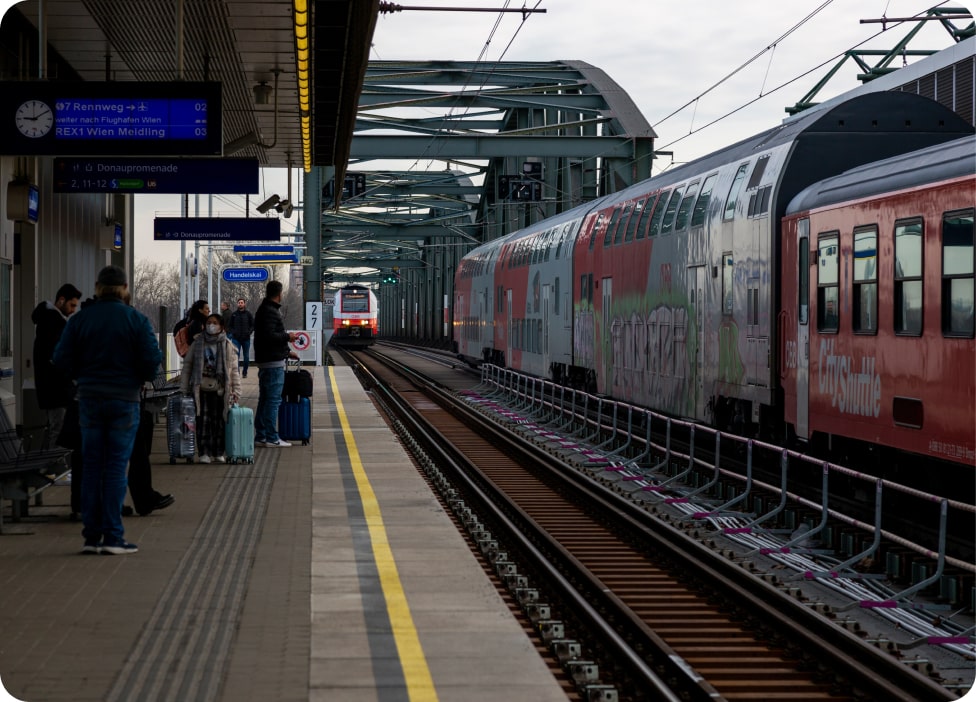
Railway Stations
Train emissions and crowded conditions give off many pollutants. These affect indoor and outdoor air quality.
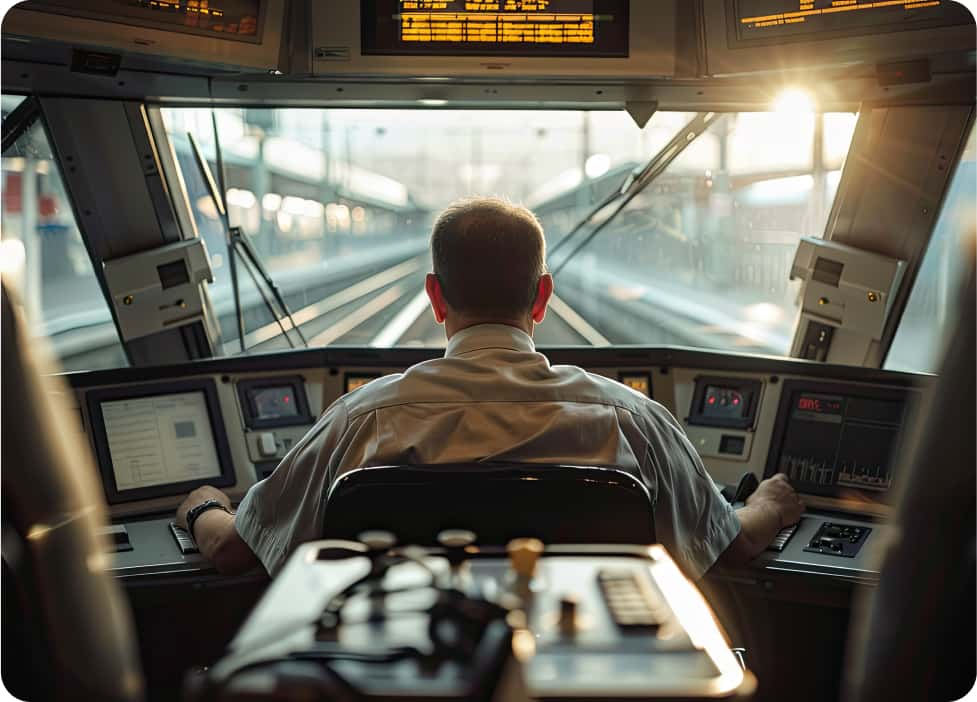
Locomotive Cabins
Loco Pilots and other crew members breathe in diesel emissions for long periods.
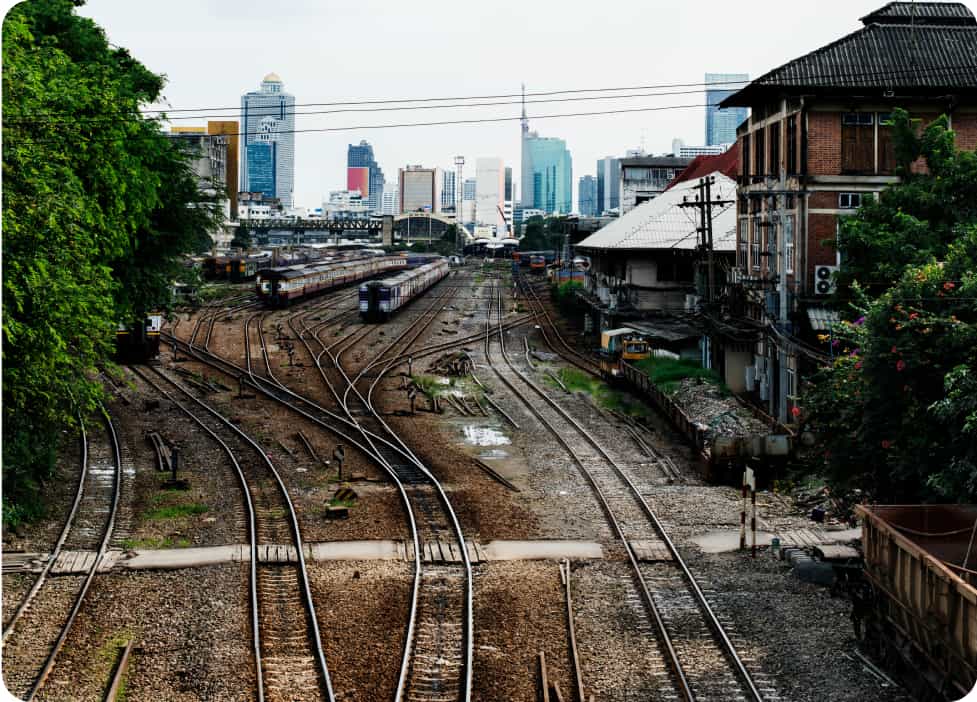
Rail Tracks in Urban Areas
Passing trains stir up pollutants from the tracks in housing and business areas.

Maintenance Yards
Train upkeep includes repairs to engines and other equipment. These repairs release pollutants.
Who is at Risk?
Air quality issues at railway stations affect many groups, and each one faces its own risks.

Passengers
Children, older people and those with existing breathing conditions.

Loco Pilot
Long exposure to pollutants trapped in the cabin.

Nearby Residents
People living close to railway tracks and stations.

Railway Workers
Long-term exposure while they carry out their duties.
Air Quality Solutions
Finding and tackling these risks is vital to protect everyone affected by the air quality challenges at railway stations.
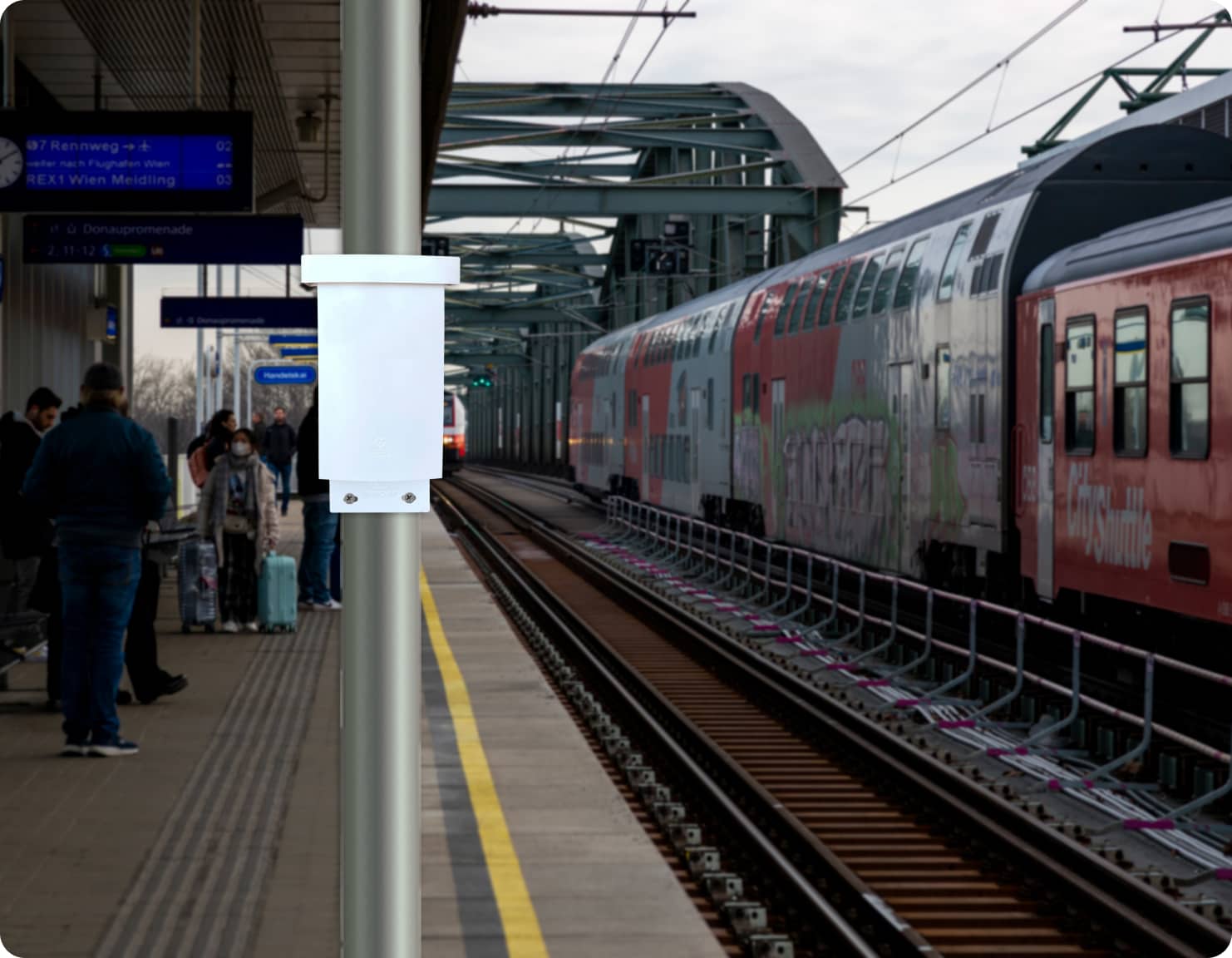
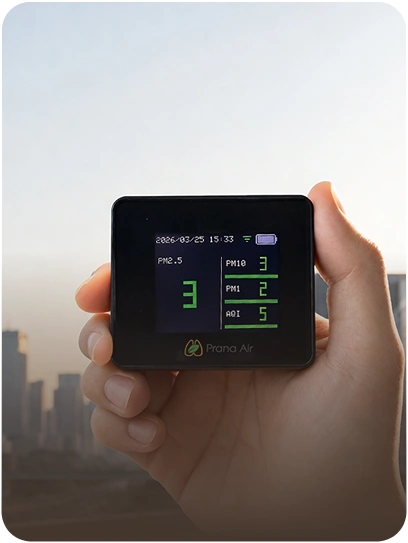
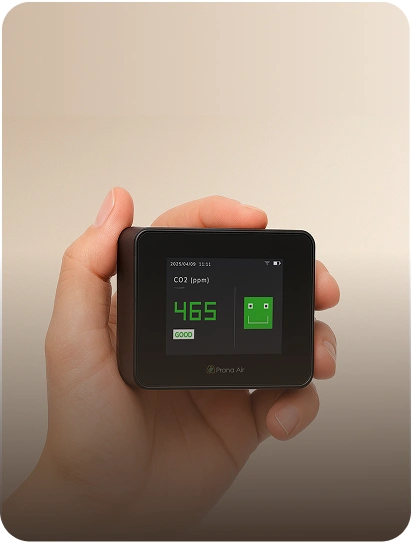
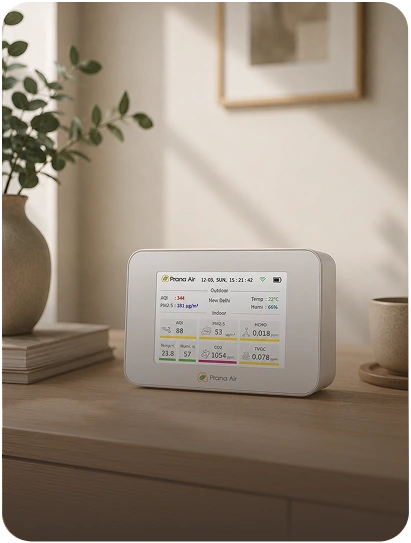
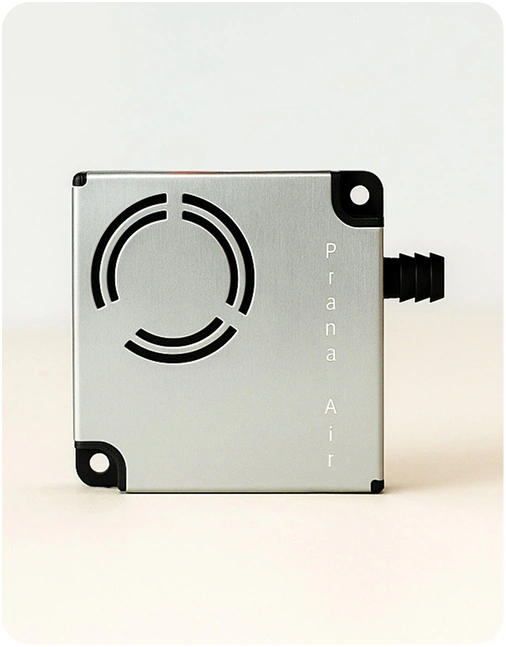
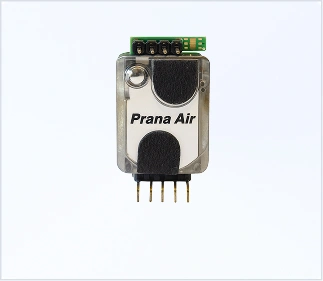
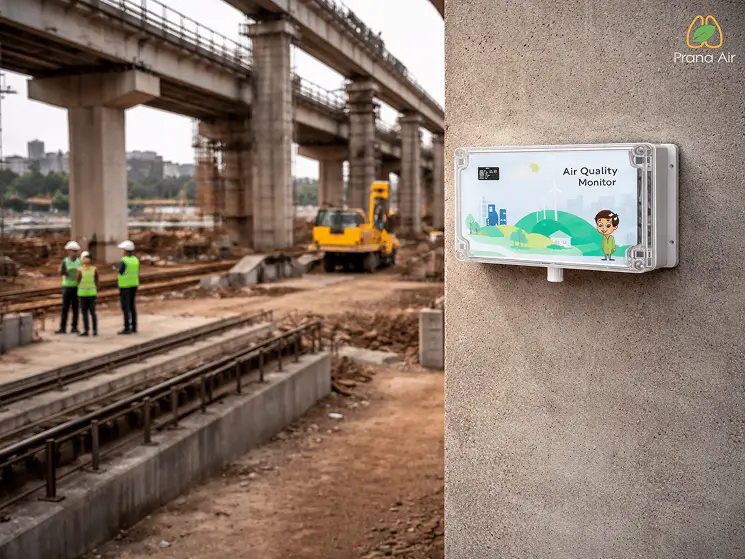
Prana Air Ambient Air Quality Monitor
Putting air quality monitors in place is key to tackling concerns at railway stations.
- Air quality monitoring in real time
- Fully Waterproof Housing
- Low-cost devices with multiple sensors
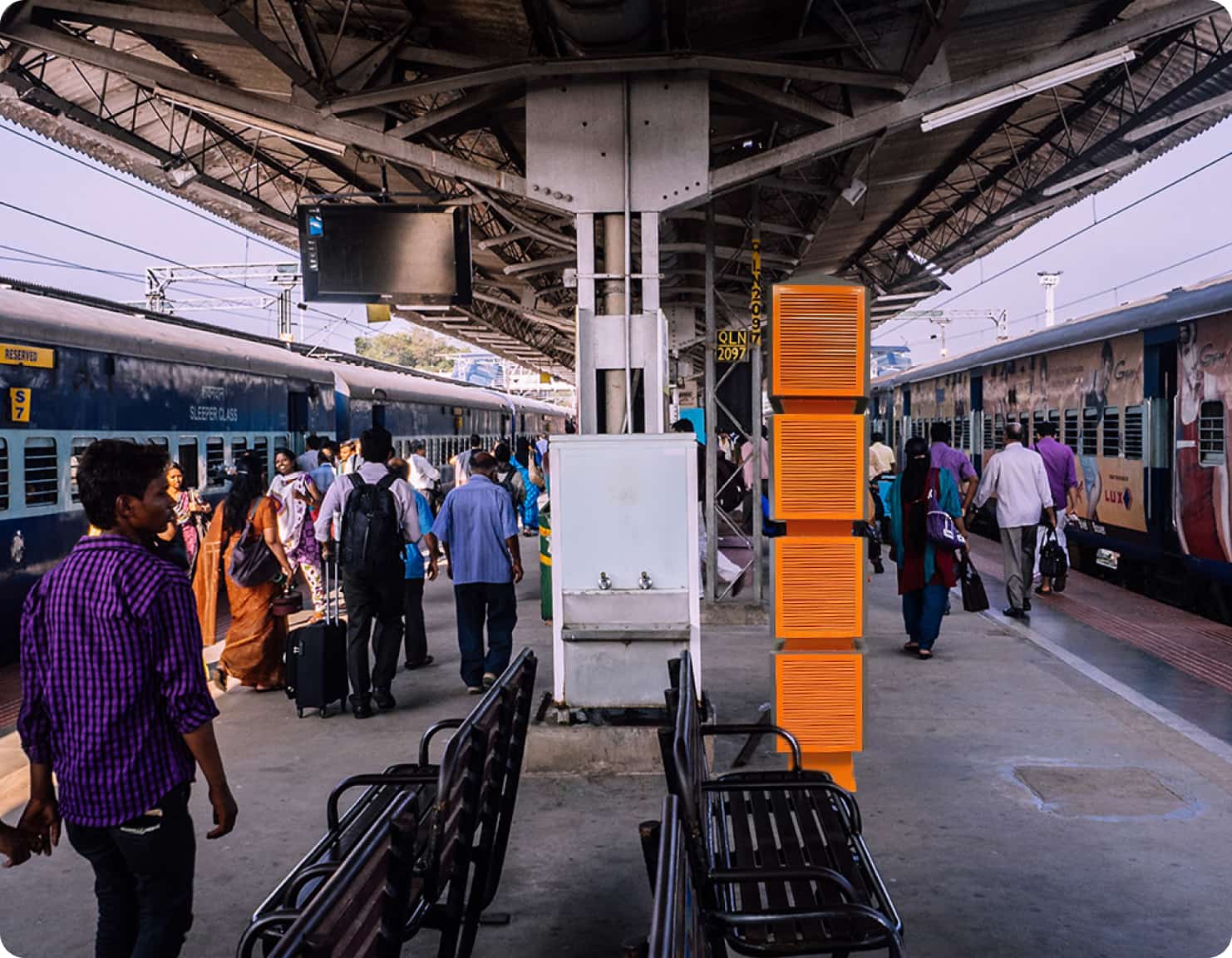
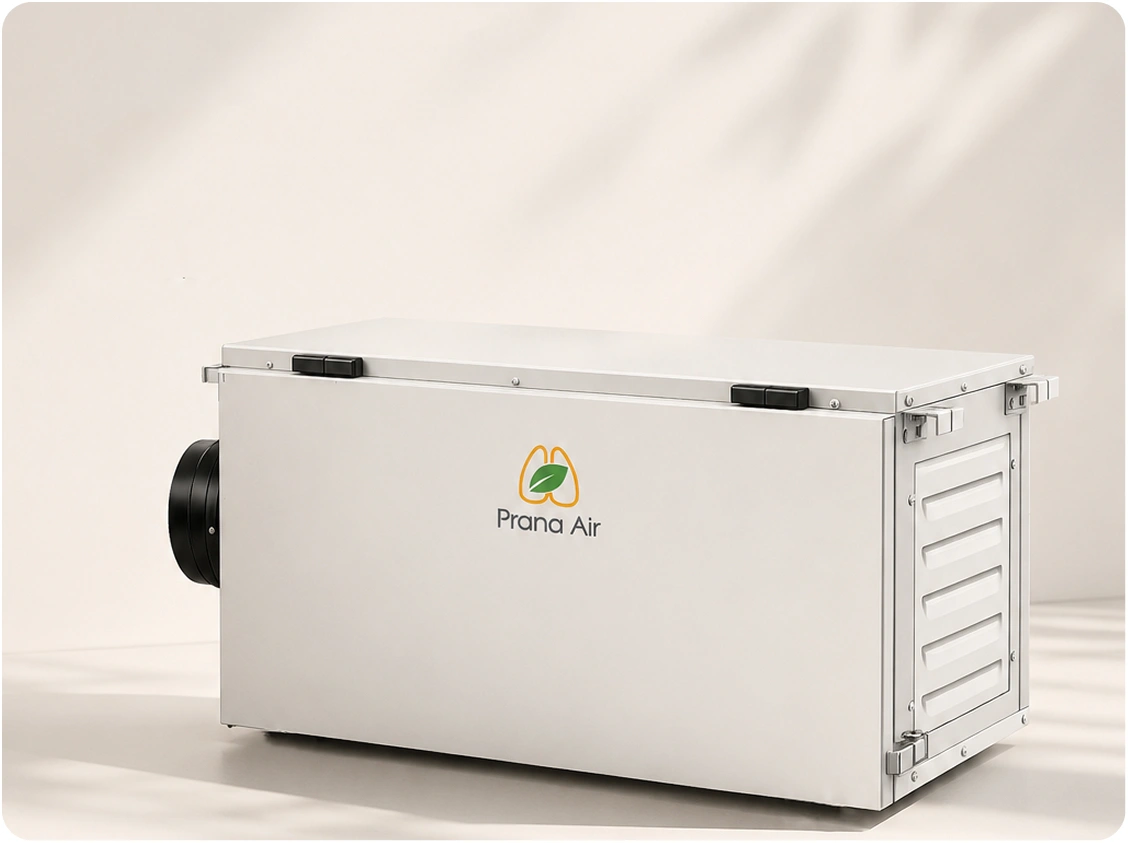
Prana Air Outdoor Air Purifier
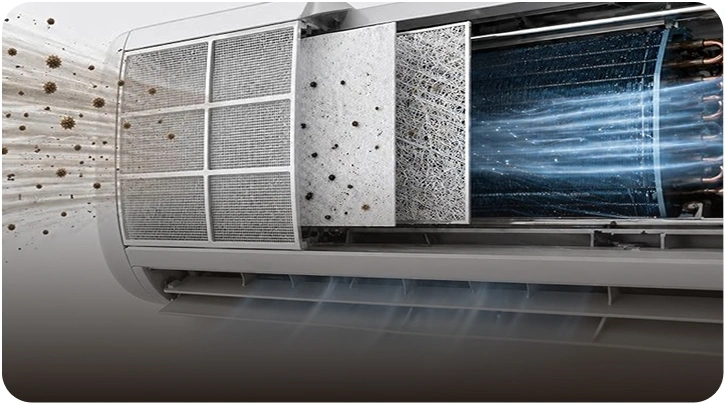
Putting air purifiers in place can help to tackle air pollution well at railway stations.
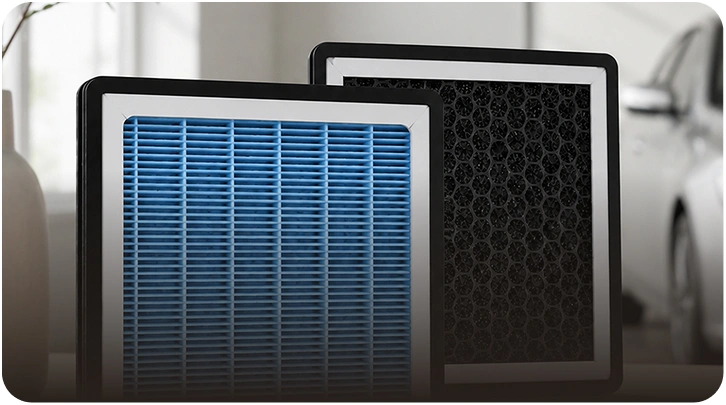
- Filter out PM2.5, NOx, and VOCs etc.
- Filter system with a high capacity
- Cuts pollutant levels for better protection
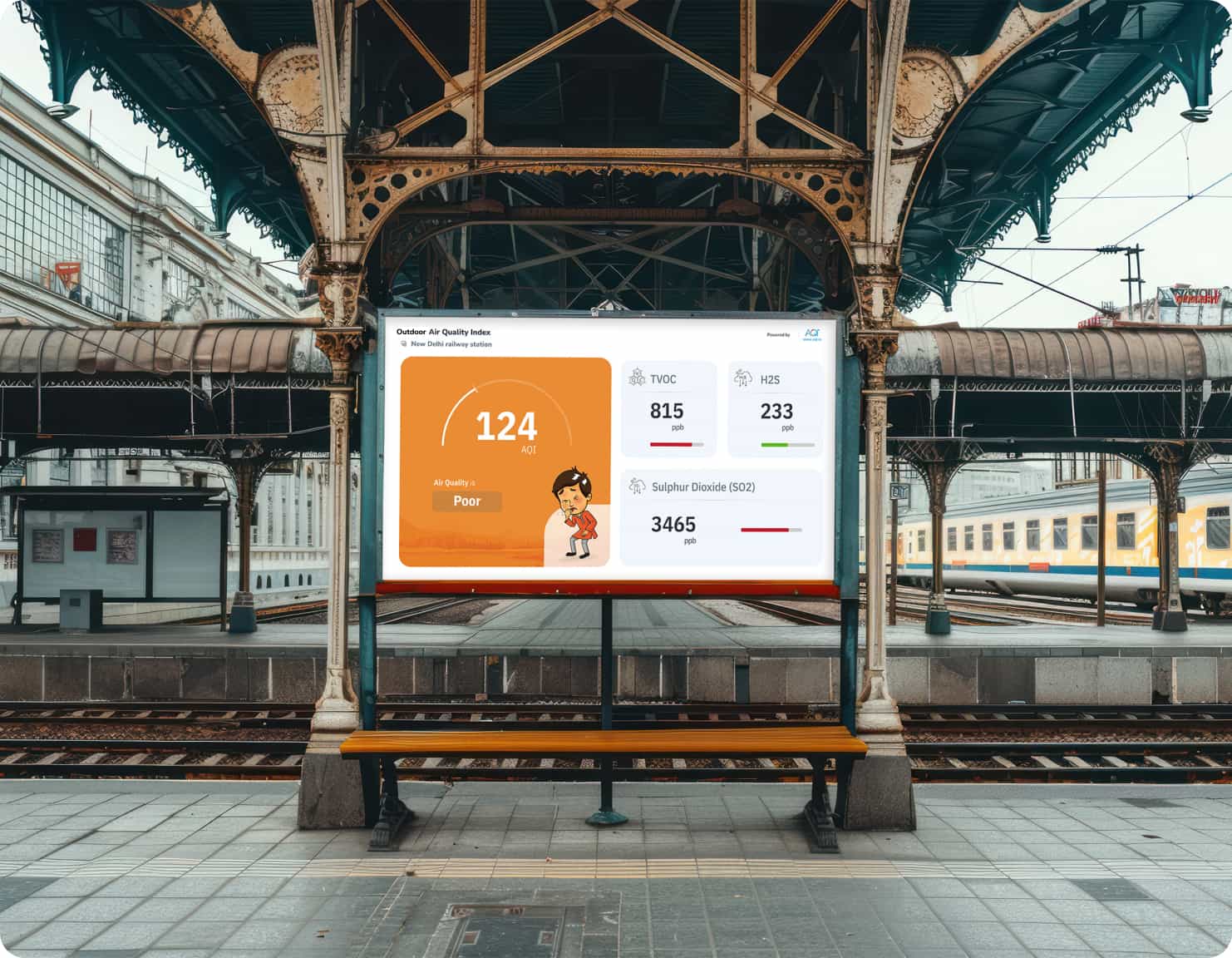
Prana Air Customized TV Displays
Tailor the screen layout to your needs and track air quality in real time for instant insights.
- Air quality monitoring in real time
- Customized display
- Accessible Data for everyone
The Effects of Air Pollution at -Railway Stations
Poor air quality at railway stations affects the health of each passenger and worker. This causes many problems.
Without Air Quality Solutions
- Poor airflow and a pollutant surge
- Decreased comfort for everyone
- An unpleasant and stuffy space.
With Air Quality Solutions
- Better airflow and pollutant removal
- Improves everyone's comfort
- A cleaner, fresher space for all.
Our Clientele
Our work with these well-known organizations shows our strong drive for quality and for new ideas.












Get in Touch
Please help us understand what you need. Our team will get in touch with you very soon.
Frequently Asked Questions
About Air Quality Solutions for Railways Have questions? We're here to help.
Industrial Applications
Prana Air offers a wide range of smart, affordable and highly precise air quality solutions. These serve many different sectors, no matter what their size.


 Let’s Talk