






















Nobody talks about AC filters until something goes wrong. The cooling drops. The unit starts making strange sounds. A musty smell fills the room when you switch it on. By the time most people open the front panel, the filter has been failing for months.
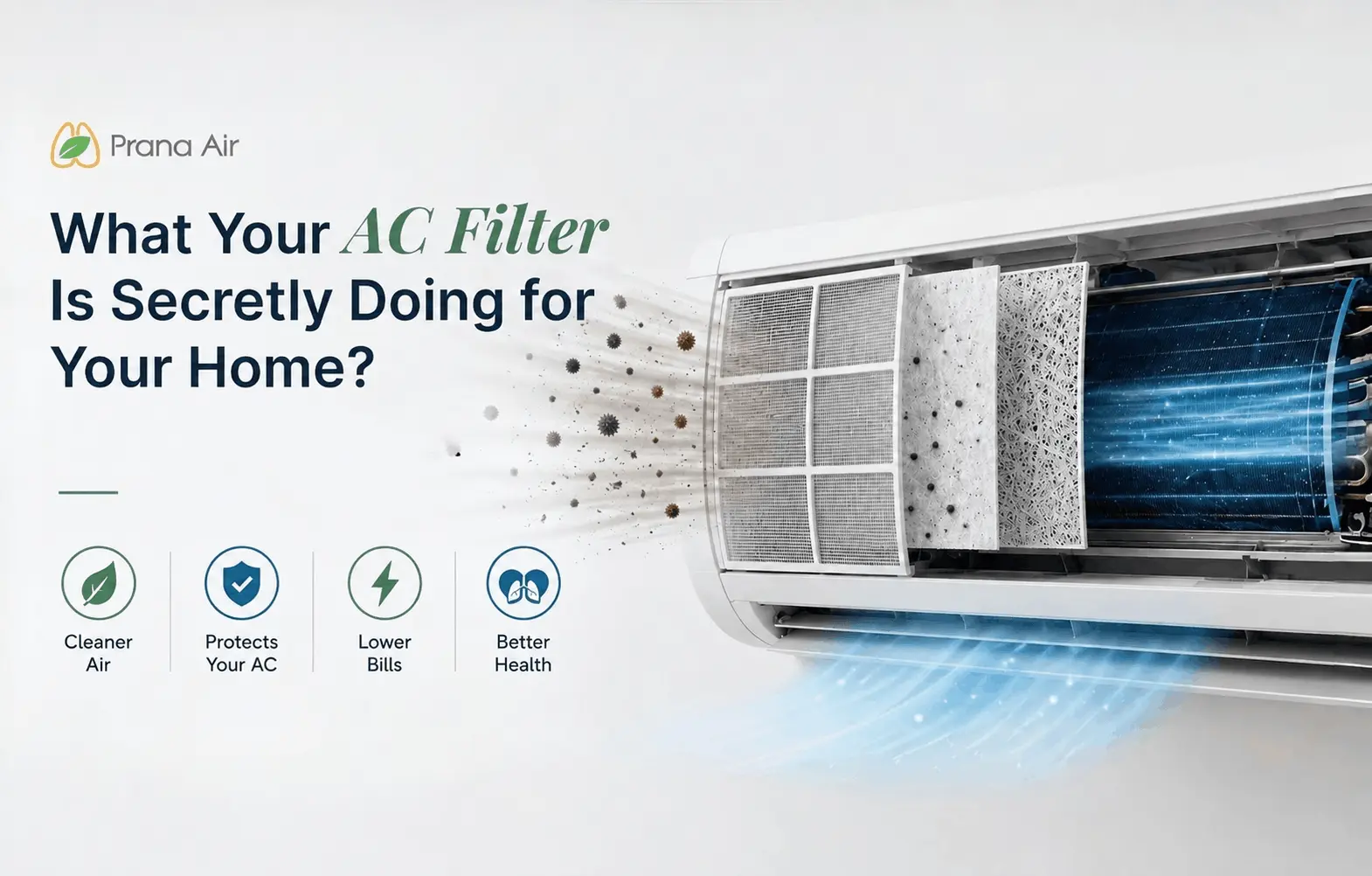
That filter is doing more for your home than you realize. It is a thin mesh that works quietly in the background. When it stops working, problems show up in your electricity bill, your health, and your AC unit. Understanding AC filter benefits helps you protect your comfort and your wallet.
Here is what a good AC filter does for you. And what happens when you do not have one.
It Is Keeping the Air in Your Room Cleaner Than You Realise
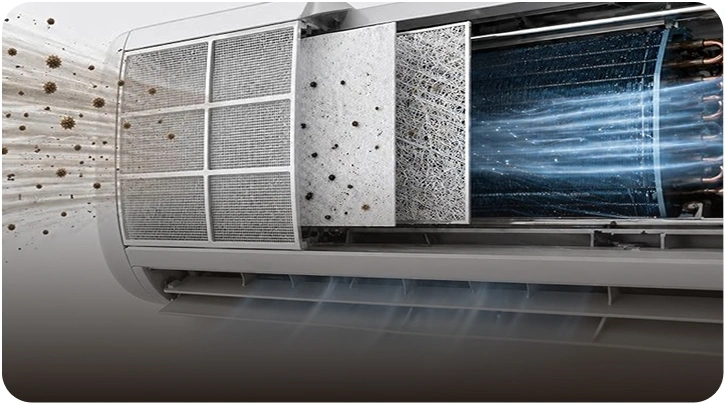
Every time your AC runs, it pulls room air through the indoor unit. It cools the air and pushes it back out. That air carries dust, pollen, pet dander, and mold spores. Without a filter, all of it goes into the machine and back into the room.
A working AC filter stops this cycle. Dust gets trapped. Pollen gets caught. Larger debris stays locked in the filter instead of bouncing around your room.
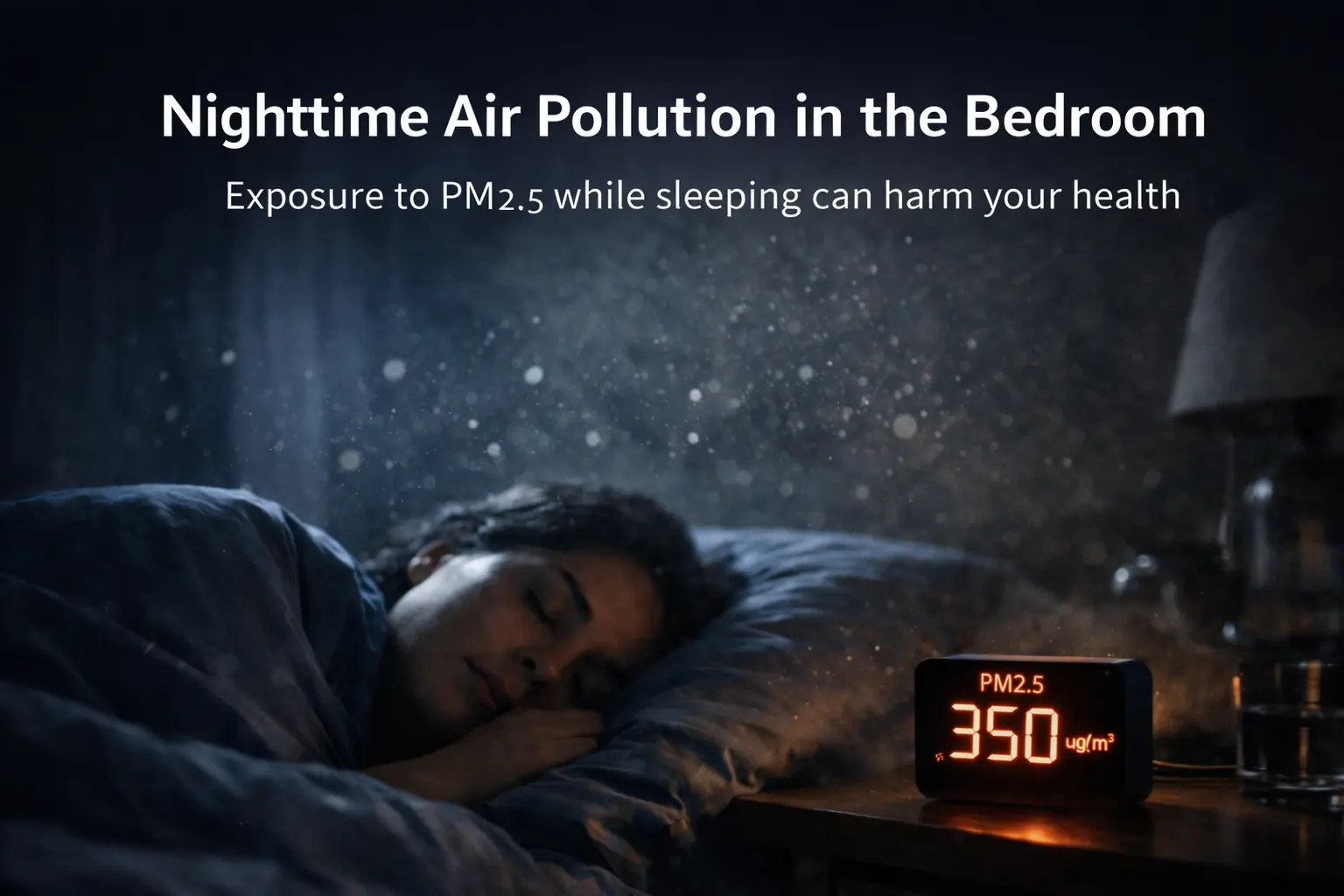
This matters more than people think. Most of us spend eight or more hours in bedrooms with the AC running. That is eight hours of continuous air circulation. The difference in what you breathe is significant.
In Indian cities, outdoor pollution pushes indoor air quality down even in closed rooms. A properly maintained AC filter is one of the most practical defenses available. The AC filter benefits your family by reducing what you breathe indoors.
It Protects Your Machine — and Your Energy Bill Along With It
Manufacturers designed AC filters to protect the machine first. Dust and debris that bypass the filter settle on the evaporator coil. This is the part that cools the air. A coated coil cannot transfer heat well. The machine has to work harder and use more power.
A clean filter keeps that coil clear. The AC runs at the efficiency it was designed for. Cooling is faster. Power use stays in check.
Studies show that a clogged or absent filter increases energy use by 5 to 15 percent. During an Indian summer, units run 10 to 12 hours a day for months. This adds up to a meaningful difference on your electricity bill. AC filter benefits include lower energy costs you may not even notice.
It Reduces Allergens and Protects Respiratory Health
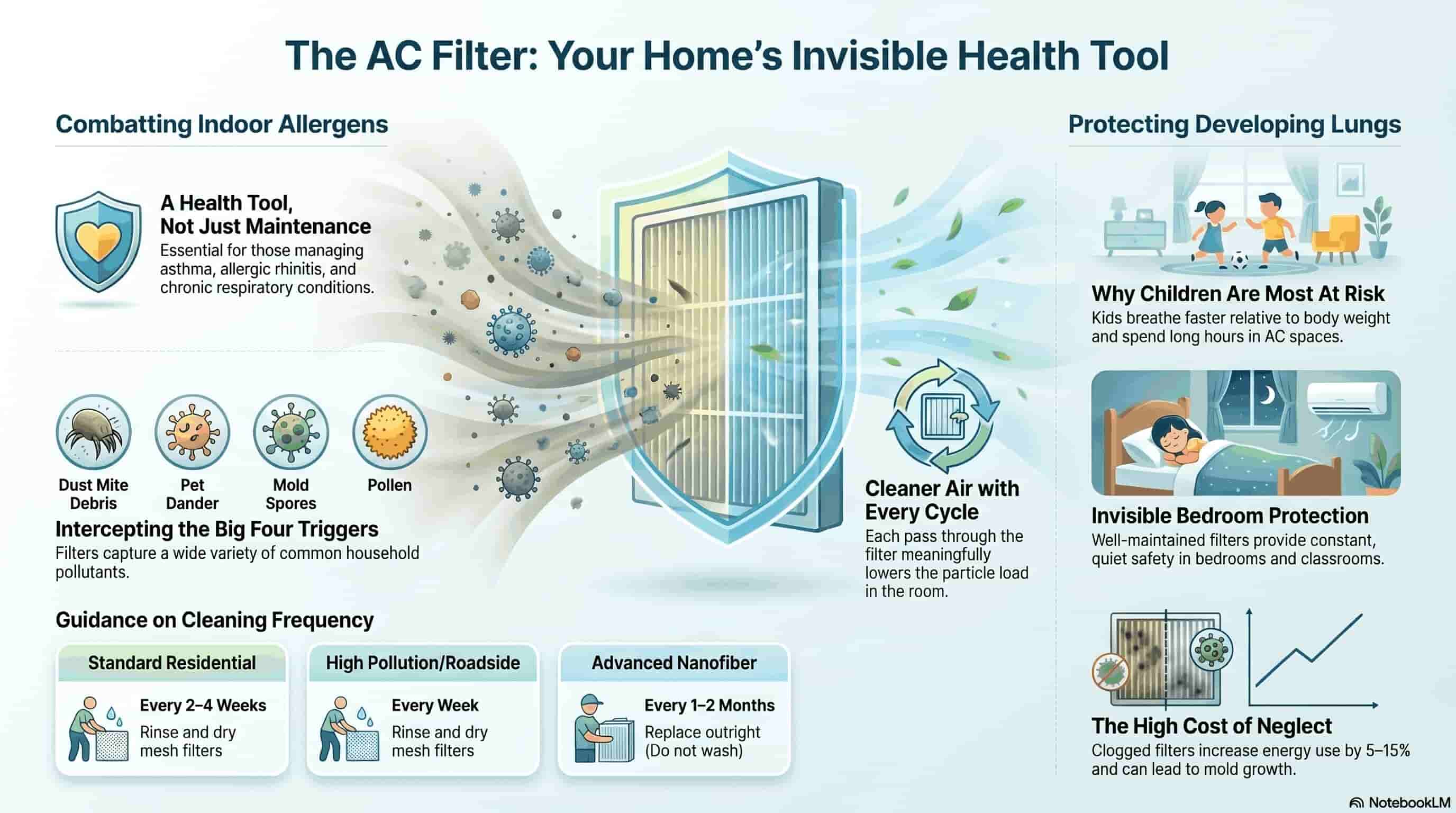
If anyone in your home has asthma, allergies, or respiratory problems, the AC filter is a health tool. It is not just maintenance.
Dust mite debris, pet dander, mold spores, and pollen are common allergen triggers. A quality AC filter can catch all of them. Every time the AC cycles, air passes through the filter. It comes out carrying fewer particles. Over a full day, this creates noticeably cleaner air.
Children are especially affected. Their lungs are still developing. They breathe faster relative to body weight. They spend long hours in air-conditioned bedrooms and classrooms. A well-maintained filter provides quiet, invisible protection. These AC filter benefits are especially important for young people.
It Controls Dust Buildup Around the Room
Here is something most people notice: when the filter is clean, surfaces stay cleaner longer. When the filter is clogged, dust settles on furniture and electronics faster.
That is not a coincidence. A full filter stops catching dust. It starts releasing what it has already caught. Every fan cycle dislodges particles and spreads them around. You end up cleaning more often.
A working filter keeps that loop cleaner. The room does not just feel cooler. It stays noticeably cleaner between cleanings.
It Prevents Mold Growth Inside the Unit
AC units generate condensation as part of cooling. The interior stays damp during operation. That warm, moist environment is ideal for mold growth.
A clean filter stops dust and organic particles from settling there. These particles feed mold colonies. A clogged filter allows this to happen. Once mold grows inside, the AC blows mold spores into the room. That musty smell is often active mold being spread.
Cleaning or replacing the filter regularly prevents this. It is far cheaper than a full internal clean. And it is better for everyone's health.
What Happens Without a Filter — or With One That Has Given Up
Run your AC without a working filter. Within weeks, problems start stacking up.
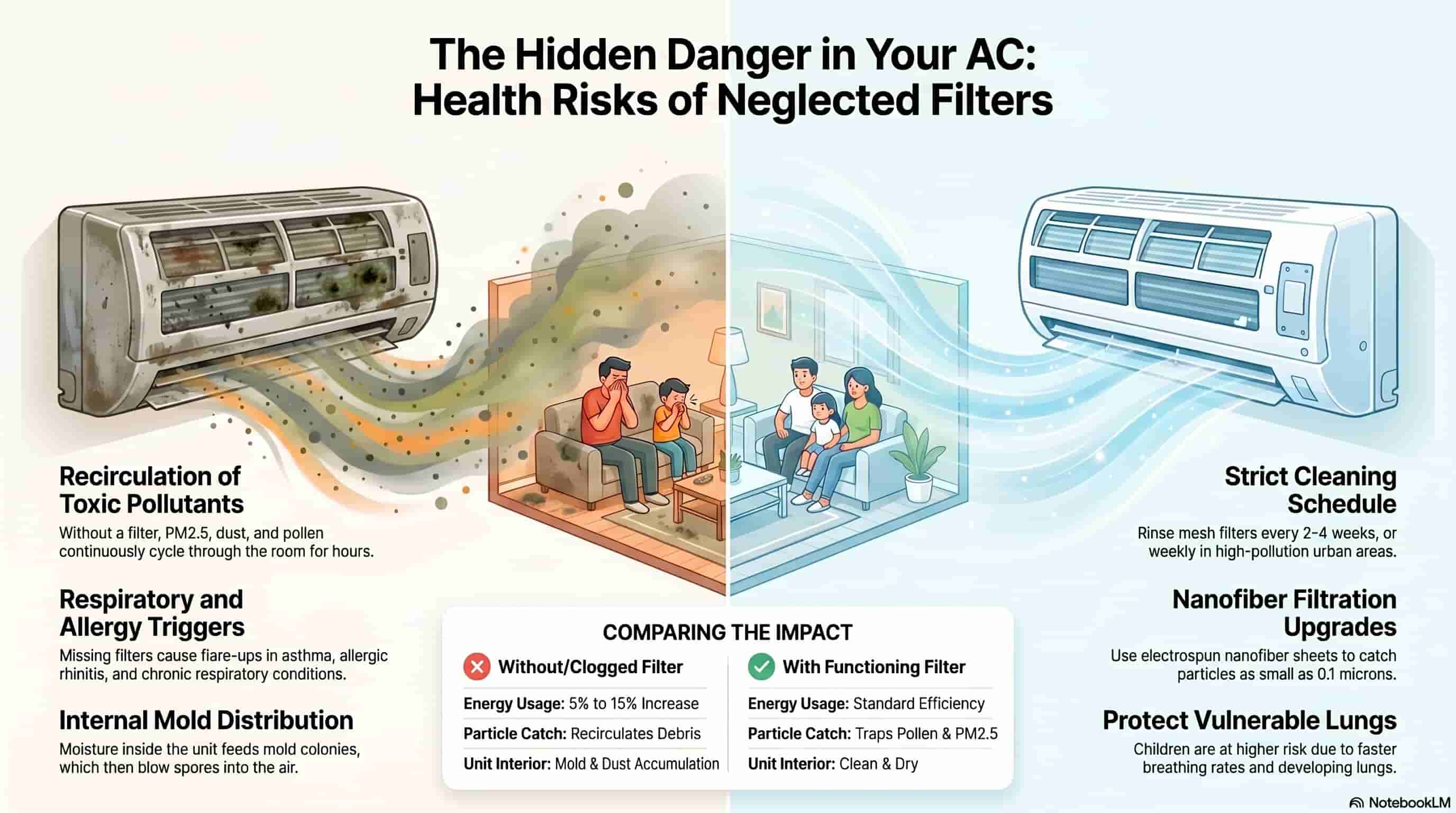
Dust builds up on the evaporator coil. Cooling efficiency drops. The compressor runs longer cycles to compensate. This puts stress on components not designed for that load. The air carries more particles, not less. Mold takes hold in the damp interior. Anyone with allergies notices symptoms flare indoors.
Eventually, the lack of filtration shows up as a repair bill. Dirty coils, blocked drains, and overworked compressors are common AC failures in India. Most trace back to inadequate filter maintenance.
According to air quality data from AQI.in, New Delhi ranks as the world's most polluted city. Ninety-two of the global top 100 most polluted cities are in India. Letting your AC filter fail is not a minor issue. It removes one of the few practical barriers between your family and outside air.
How Often Should You Actually Be Cleaning It
Clean your filter every two to four weeks during regular use. Clean it every week if you live near a main road or construction site. Also clean weekly if your city records AQI above 150 in winter. Most of urban India fits this category from October through February.
You can rinse basic mesh filters under running water. Gently brush them and let them dry completely. Reinstall them when dry. Replace filters once a year. Replace sooner if the mesh develops damage or permanent discoloration.
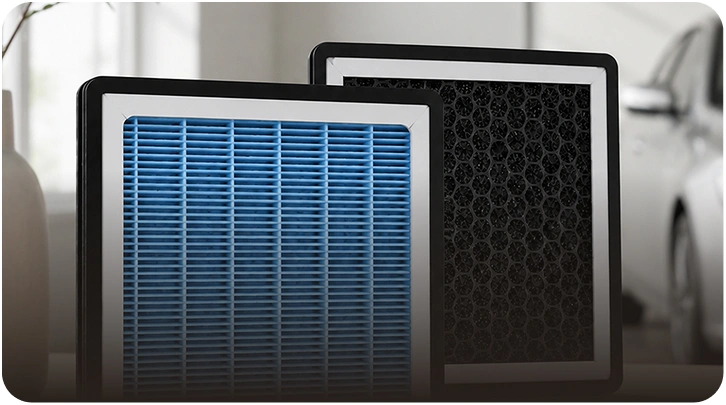
If you have an advanced nanofiber or electrostatic filter, do not wash it. The nanopore design and electrostatic charge do not survive rinsing. Replace it on schedule. This is typically every one to two months depending on local air quality.
Set a reminder on your phone. Tie it to your monthly electricity meter reading. Whatever works. Make it a habit rather than something you remember only when problems occur.
The Prana Air Split AC Filter is built specifically for this problem.
It is made from electrospun nanofibers. This material catches particles as small as 0.1 microns. It catches PM2.5, airborne bacteria, and fine viral particles with high efficiency. It slides directly behind the existing mesh in your split AC. No tools, no technician, and no new appliance needed. Installation takes less than five minutes. It works with all major split AC brands including Voltas, Daikin, and LG.



 Let’s Talk