























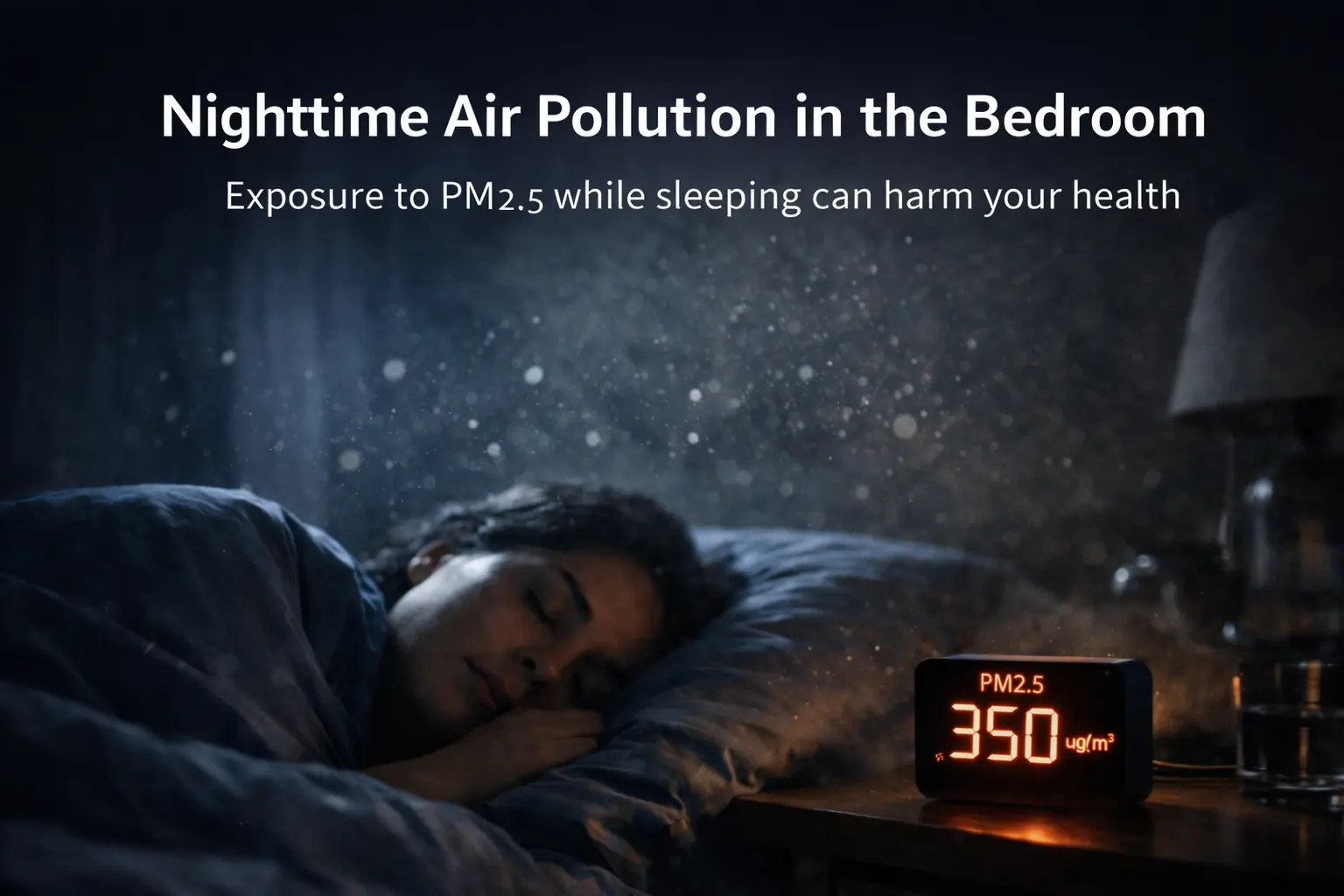
You slept eight hours last night. Your alarm goes off and you lie there, heavy-eyed, reaching for coffee before your feet touch the floor. You blame your phone, stress, and the mattress. But here’s the question almost nobody asks: What was in the air you were breathing all night?
This isn’t hypothetical. A growing body of peer-reviewed research shows a clear link between airborne particles—specifically PM2.5 and sleep—and measurable drops in sleep quality. If you live in Delhi, Mumbai, or Lahore, this research matters to you. PM2.5 and sleep quality are directly connected, and the science is now undeniable.
First, What Exactly Is PM2.5?
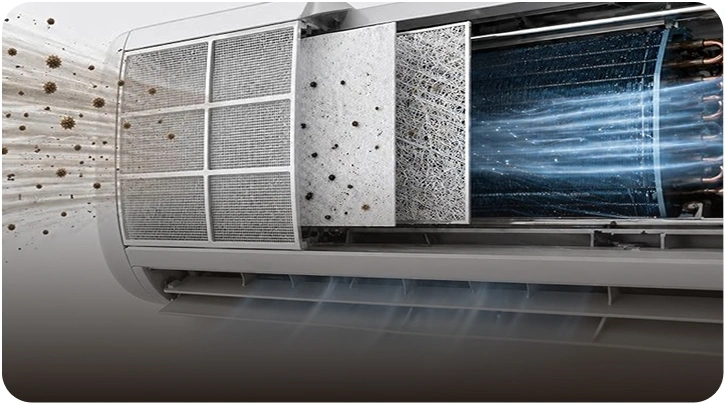
PM2.5 refers to fine particles with a diameter of 2.5 micrometres or smaller. That’s roughly 30 times finer than a human hair. These particles come from vehicle exhaust, industrial emissions, construction dust, crop burning, and gas stove cooking.
Their size is what makes them dangerous. Unlike larger dust particles trapped in your nose or throat, PM2.5 travels deep into your lungs. From there, the smallest fractions can cross directly into your bloodstream and, in some cases, reach your brain.
“You can’t see PM2.5. You can’t smell it. On a winter night in Delhi with windows closed, the level inside your bedroom may be alarmingly high.”
The Sleep–Pollution Connection: What the Research Shows
The link between air quality and sleep is no longer speculative. Multiple large-scale studies now confirm the relationship between PM2.5 and sleep disruption:
1. The MESA Air & Sleep Study (Multi-Ethnic Study of Atherosclerosis, 2017)
Researchers tracked 1,863 participants across six U.S. cities. Those exposed to higher PM2.5 and NO2 levels were significantly more likely to report poor sleep efficiency. Those in the highest PM2.5 group were nearly 50% more likely to have low sleep efficiency. The highest NO2 group had almost 60% increased likelihood of poor sleep. Read the full study: PMC – The Association of Ambient Air Pollution with Sleep Apnea (MESA)
2. Bedroom Air Quality & Sleep Efficiency Study (University of Louisville, 2023)
A rigorous study measured PM2.5, CO2, temperature, humidity, and noise continuously for 14 days in bedrooms. Sleep efficiency dropped as PM2.5 and CO2 rose—the higher the bedroom pollution, the worse the sleep. CO2 above certain levels had an even stronger effect than PM2.5 alone. Read the full study: PMC – Associations of Bedroom PM2.5, CO2, Temperature, Humidity and Noise with Sleep
3. PM2.5 and Melatonin Disruption
Perhaps the most alarming finding: PM2.5 exposure has been shown to reduce your body’s natural melatonin—the hormone that controls your sleep-wake cycle. Research published in ScienceDirect found that oxidative stress from PM2.5 exposure may activate the immune-pineal axis, reducing melatonin production. This effectively tells your brain it’s not time to sleep even when you’re lying in a dark room at midnight. Read the supporting research: ScienceDirect – Role of Endogenous Melatonin in Responses to Air Pollutant Exposures
How PM2.5 Actually Disrupts Sleep: The Biological Mechanisms
Understanding the ‘why’ matters—especially if you want to explain to a skeptical family member why the air monitor on your bedside table is not just a gadget.

Airway Irritation and Micro-Arousals
PM2.5 inflames the lining of your airways. This low-grade swelling triggers micro-arousals—brief awakenings that last only seconds but interrupt your sleep cycles without you even noticing. You won’t remember waking up. You’ll just feel mysteriously tired in the morning.
Systemic Inflammation and the Nervous System
When fine particles enter your bloodstream, your immune system responds with inflammatory chemicals. These same chemicals disrupt the balance of brain chemicals involved in sleep—particularly serotonin and GABA. The result is a nervous system that’s subtly activated when it should be winding down.
The CO2 and Bedroom Trap
This is the part most people completely miss. In Indian winters, windows stay shut to keep out the cold and pollution. But a closed bedroom with two adults sleeping builds up significant CO2 within a few hours. Once CO2 levels cross 1,000 ppm—which is common in unventilated bedrooms—sleep quality drops measurably. At 2,000 ppm, brain function the next morning is noticeably impaired.
You closed the window to escape pollution. But you may have created a different problem inside.
The Indian Context: Why This Matters Here More Than Anywhere
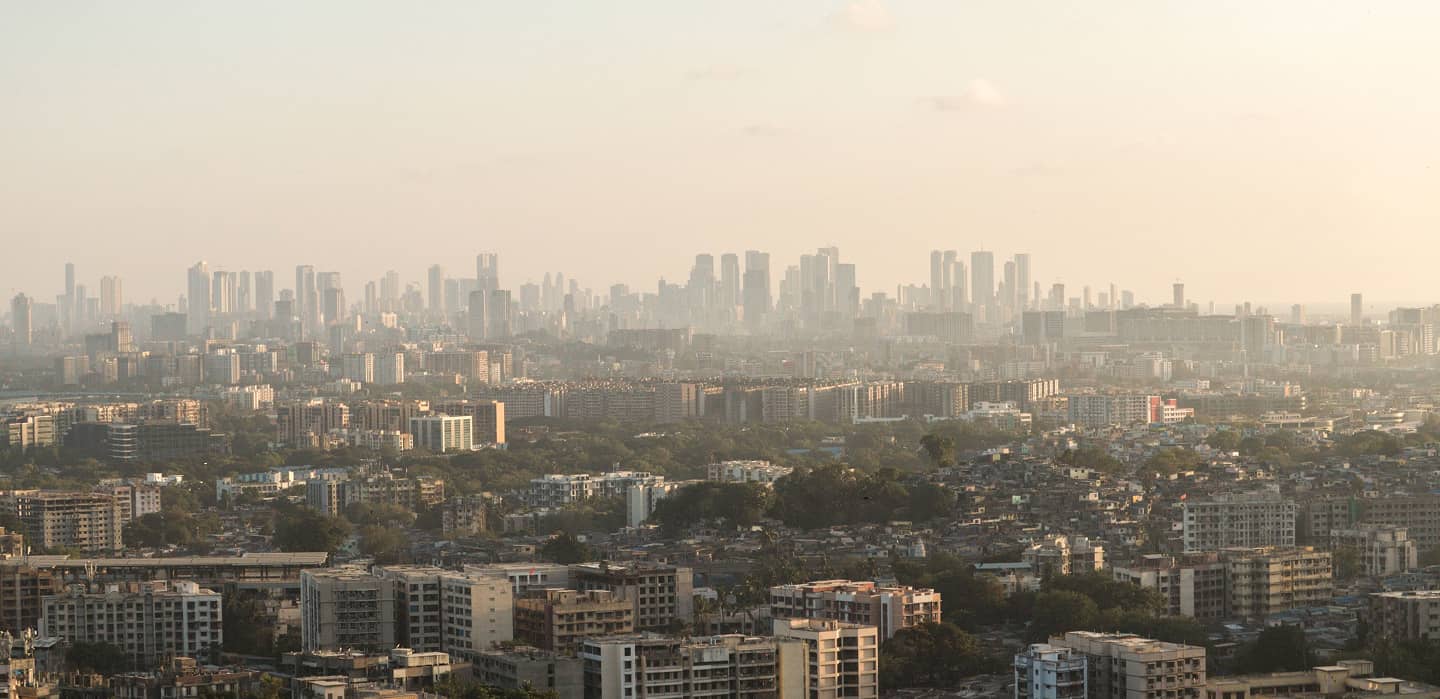
India is home to 9 of the world’s 10 most polluted cities by annual average PM2.5 level. For residents of Delhi-NCR, Patna, Lucknow, and Faridabad, high-pollution exposure isn’t a winter anomaly—it’s a year-round reality, with conditions worsening dramatically between October and February.
During peak smog season, Delhi’s outdoor AQI routinely crosses 300–400 (Hazardous). But indoor air quality is often overlooked. Research consistently shows that indoor PM2.5 in urban Indian homes can be 40–70% of outdoor levels—and sometimes higher, especially near kitchens or in homes with incense burning.
“Millions of Indians are sleeping in rooms where the air quality would trigger health warnings if measured outdoors. We just don’t measure it indoors—yet.”
Signs That Bad Air May Be Affecting Your Sleep
These symptoms alone don’t confirm pollution as the cause—but if you experience several of them regularly, the air quality in your sleeping environment deserves investigation:
- Waking up with a dry throat, blocked nose, or mild headache
- Feeling unrefreshed despite 7–8 hours in bed
- Increased snoring or worsening sleep apnea symptoms in winter
- Children who are unusually cranky or difficult to rouse in the morning
- Fatigue that correlates with high-AQI days in your city
- Waking up 2–3 times per night without a clear reason
Who Is Most at Risk?
Not everyone is equally affected. Those most vulnerable to PM2.5-related sleep disruption include:
- Children under 12 (higher breathing rate means proportionally more exposure)
- Adults over 60 (reduced lung capacity and immune resilience)
- People with asthma, COPD, or existing sleep apnea
- Pregnant women (fetal exposure through maternal bloodstream)
- Residents within 1 km of major roads, industrial zones, or brick kilns
- Anyone in a poorly ventilated bedroom
What You Can Actually Do About It
The problem is real. But it’s also measurable—and therefore, manageable.
Step 1: Measure Before You Assume
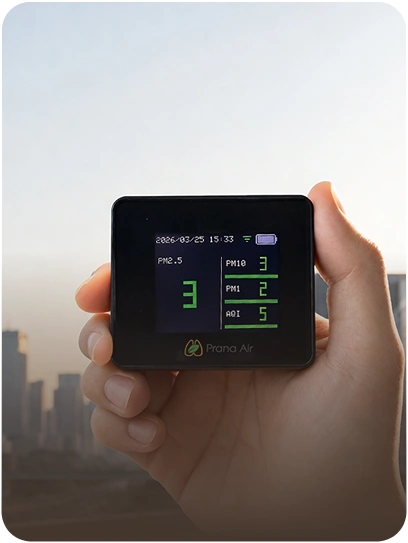
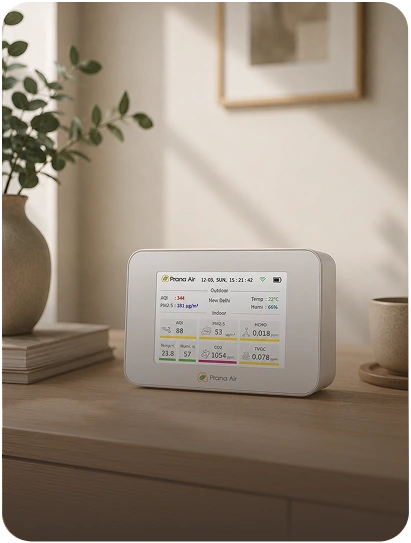
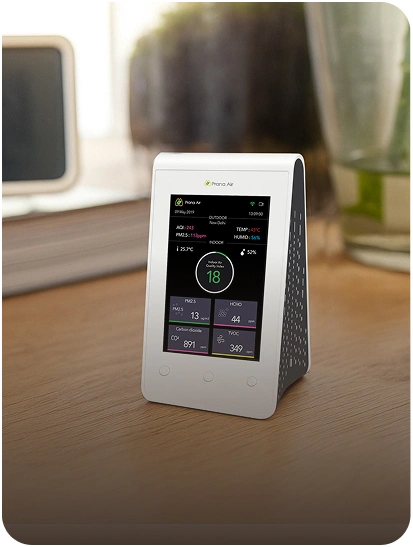
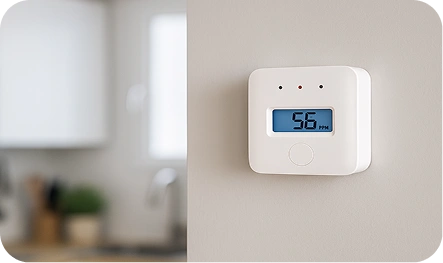
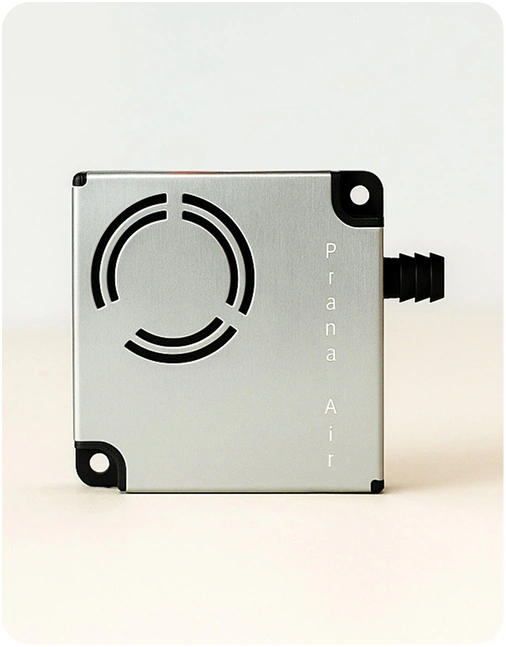
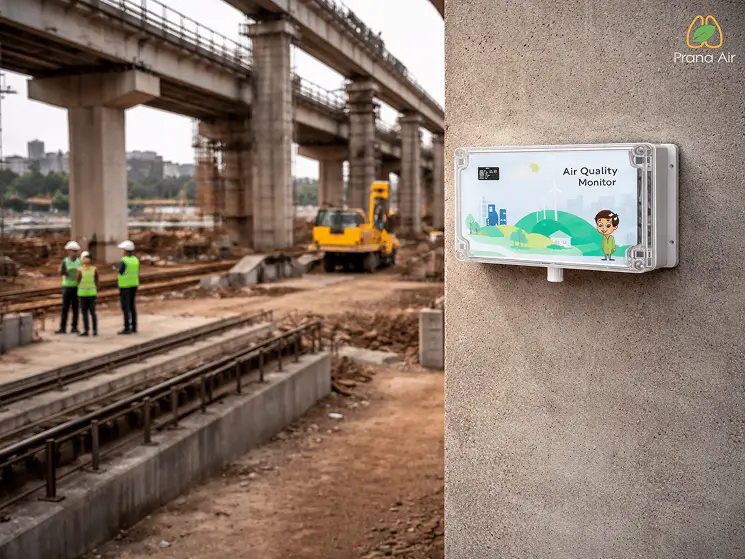
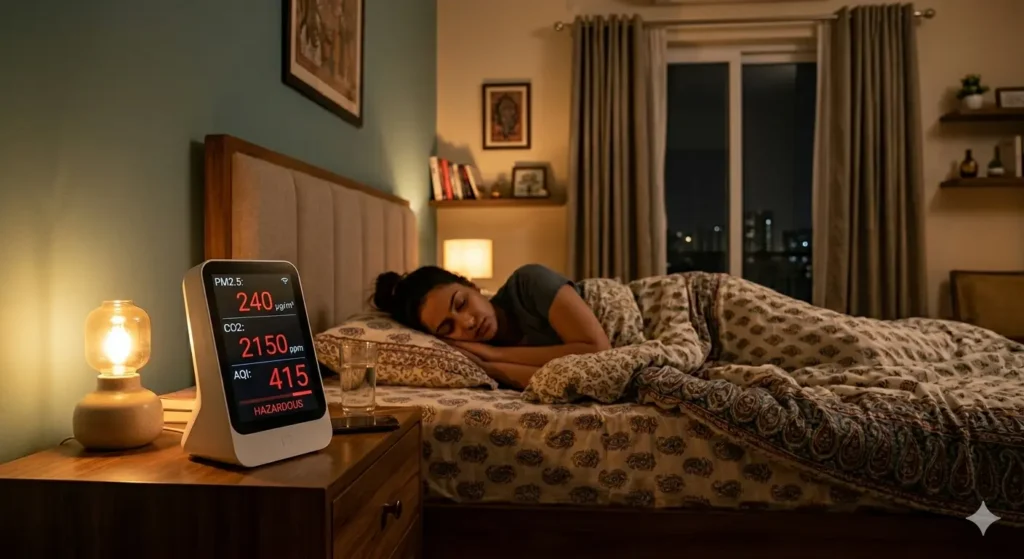
Most people have no idea what the PM2.5 level in their bedroom actually is. A real-time indoor air quality monitor that tracks PM2.5, CO2, TVOC, and humidity gives you the data to make informed decisions. Don’t guess. Know.
Step 2: Ventilate Strategically
Check your city’s AQI before opening windows. In Delhi, early morning (4–6 AM) often has slightly better air than late evening. Apps and monitors with live AQI data help you time ventilation for the cleanest outdoor air available.
Step 3: Use an Air Purifier with HEPA + Activated Carbon
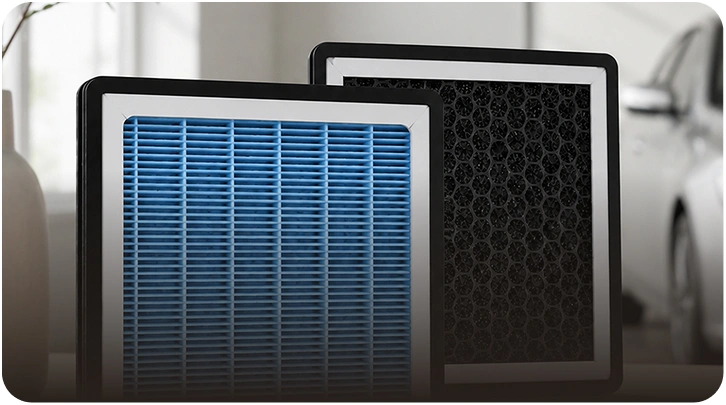
A HEPA filter captures PM2.5 and larger particles effectively. Activated carbon handles gases and VOCs. Together, they can reduce bedroom PM2.5 by 70–90% within 30 minutes. Run it for 30 minutes before sleep with the door closed.
Step 4: Address CO2 Buildup
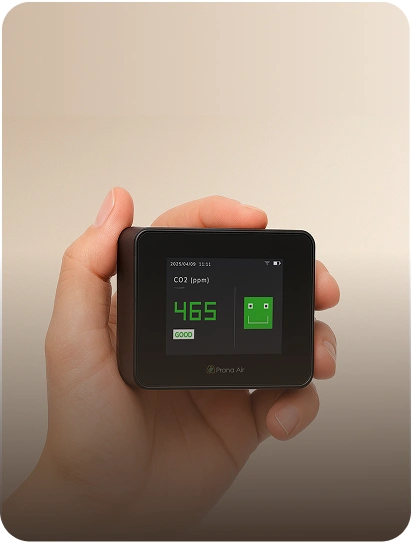
If your CO2 monitor shows levels above 800 ppm when you wake up, your bedroom is under-ventilated. A small crack in a window (filtered if possible), or a brief airing of the room before sleep, can make a significant difference.
Step 5: Reduce Indoor Sources
Incense sticks, scented candles, gas cooking without exhaust ventilation, and synthetic air fresheners all add to indoor PM2.5 and VOC levels. On high-pollution days, these indoor sources compound an already poor baseline.
The Bottom Line
PM2.5 doesn’t announce itself. It doesn’t smell and make you cough dramatically. It works quietly—inflaming your airways, suppressing your melatonin, fragmenting your sleep cycles, and leaving you wondering why you feel so tired all the time.
The science is clear enough: air quality and sleep quality are inseparable. The gap in our awareness is that we’ve been told to worry about pollution outside, while spending 7–8 hours every night breathing whatever happens to be in our bedrooms.
Fixing this starts with knowing your numbers. What is the PM2.5 in your bedroom right now? What is your CO2 level at 3 AM? Once you can see the problem, you can solve it.
“Clean air isn’t a luxury. It’s the foundation of every good night’s sleep—and everything that comes after it.”



 Let’s Talk