




















We spend roughly 90% of our time indoors, yet we rarely think about what we’re breathing. From the “new carpet” smell to steam from your stove, your home’s air is a complex mix of gases and particles. According to the U.S. Environmental Protection Agency (EPA), indoor air can be 2 to 5 times more polluted than outdoor air. An air quality monitor helps you understand exactly what you’re breathing every day. This device tracks harmful pollutants and gives you real data to protect your family’s health.
If you’ve been feeling tired, suffering from allergies, or want to ensure your space is healthy, stop guessing and start measuring. An air quality monitor gives you real-time insights into indoor pollutants, humidity, and ventilation. Here is your step-by-step guide to checking your home’s air with the right tools.
1. The All-in-One Solution: Smart Air Quality Monitor Devices
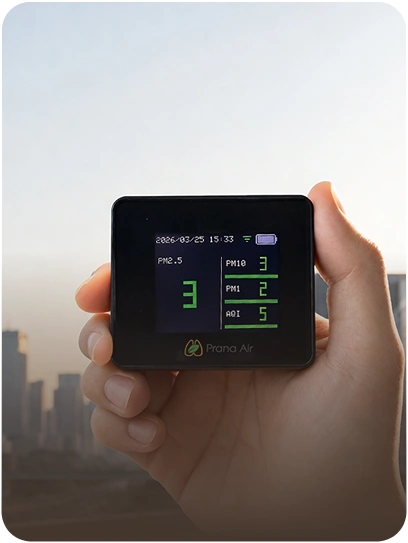
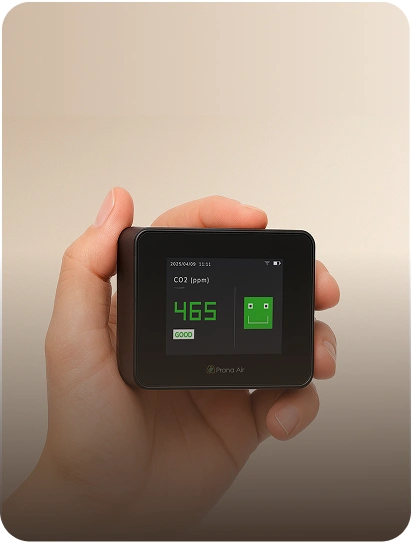
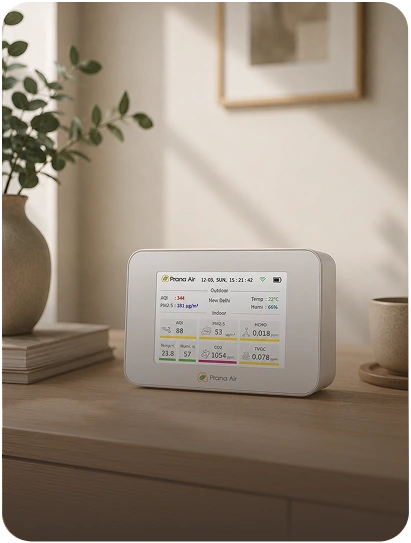
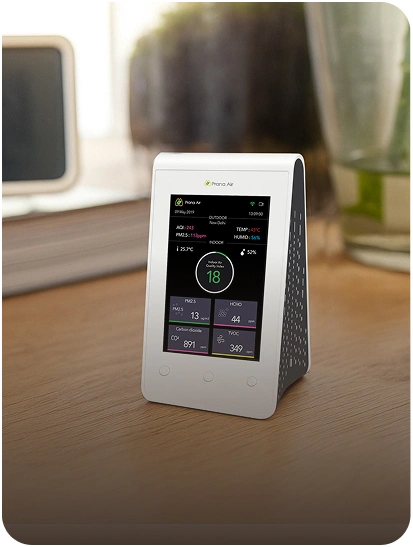
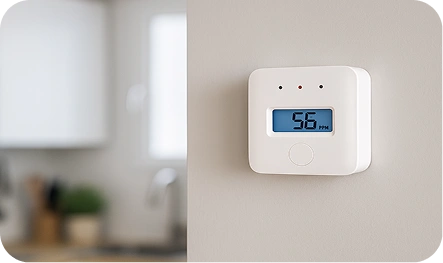
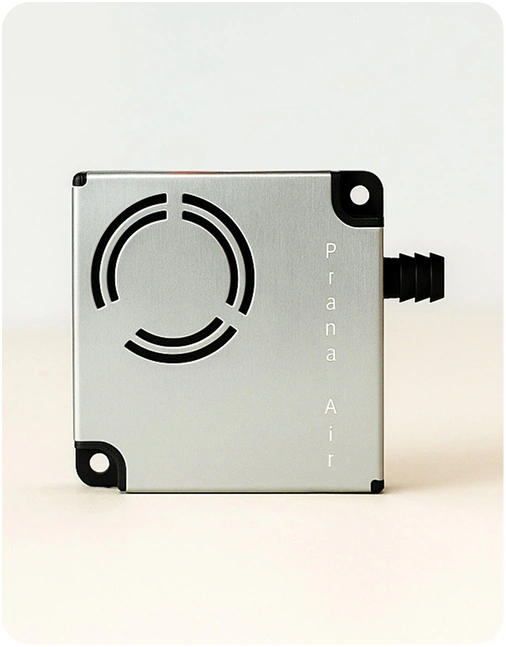
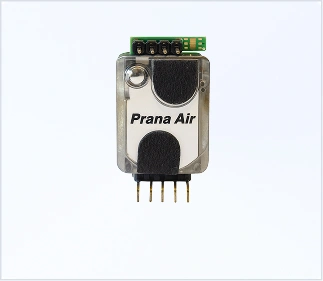
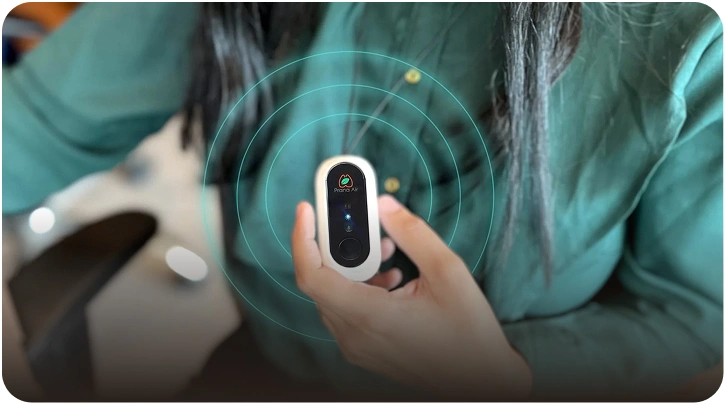
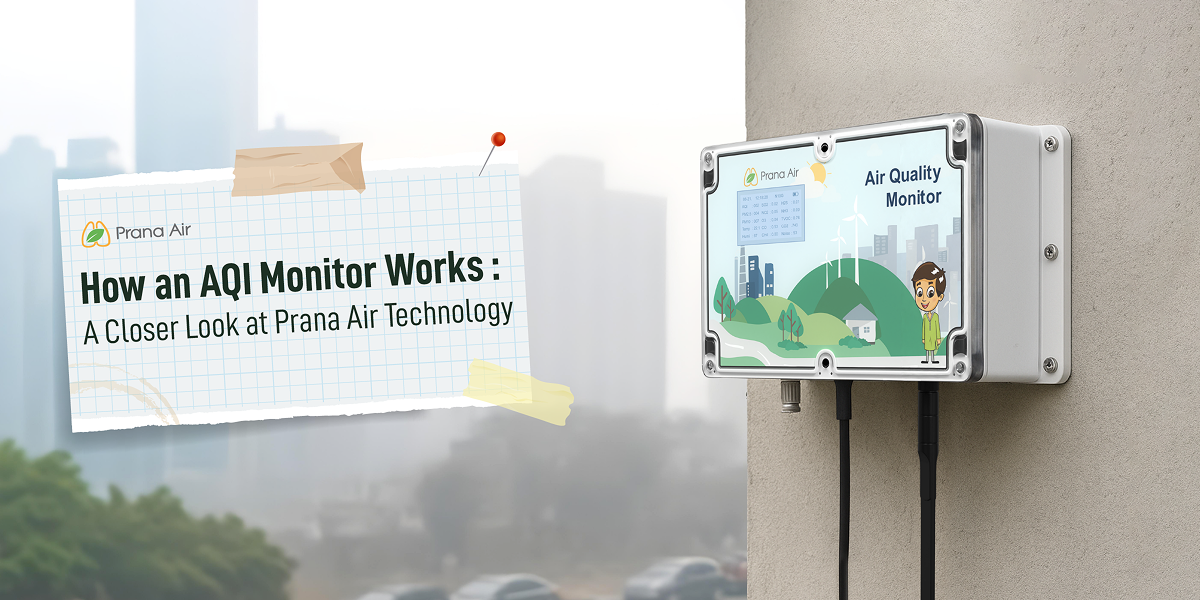
The best way to track airborne pollutant levels is with an air quality monitor. These devices work like a “fitness tracker” for your home, showing real-time data on an LCD screen or app. A good air quality monitor tracks multiple pollutants and factors, helping you spot problems before they harm your health.
Key Metrics to Track with Your Air Quality Monitor:
- PM2.5 (Particulate Matter): Tiny particles from cooking, candles, or wildfire smoke that can enter your bloodstream. The WHO Air Quality Guidelines recommend PM2.5 levels not exceed 15 µg/m³ yearly. Your air quality monitor alerts you when levels get too high.
- VOCs (Volatile Organic Compounds): Chemical fumes from paints, cleaning supplies, and air fresheners. Most advanced air quality monitors detect these invisible threats. Safe limits are set by health standards.
- CO2 (Carbon Dioxide): High readings above 1,000 ppm mean poor ventilation, causing brain fog and tiredness. Your air quality monitor tracks this key metric all day. EPA benchmarks show outdoor levels around 400 ppm.

2. Test for the “Invisible Killers” Beyond Your Air Quality Monitor
Some dangerous indoor pollutants cannot be detected by standard air quality monitors.
Radon Gas
Radon is a colorless, odorless radioactive gas that leaks from soil into your basement. According to the EPA, radon is the top cause of lung cancer among non-smokers in the United States.
- How to measure: Buy a long-term radon test kit from most hardware stores. Leave it in your lowest living area for 90 days, then mail it to a certified lab. While your air quality monitor won’t detect radon, this test adds to your home air check.
Carbon Monoxide (CO)
This is a byproduct of gas stoves or furnaces. The EPA sets strict CO limits to protect people in homes.
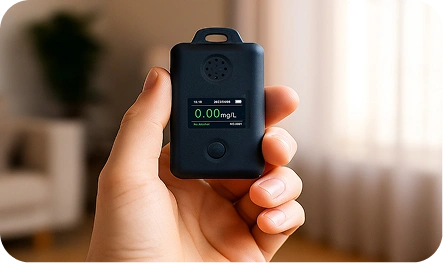
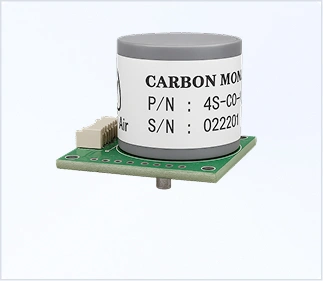
- How to measure: Install UL-certified CO detectors on every floor. Unlike air quality monitors, these are made to sound an alarm before levels become deadly.
3. Monitor Your “Comfort Zone” (Humidity)
Humidity isn’t just about feeling sticky; it drives indoor air quality and breathing health.
- High Humidity (>50%): Creates a home for mold and dust mites, which trigger allergies.
- Low Humidity (<30%): Dries out your nose, making you more open to viral infections.
- The Tool: Use a hygrometer. Most smart air quality monitors include this sensor. You can also buy a standalone digital one for under $15.
4. The “DIY” Sensory Audit
While your air quality monitor gives you hard data, your senses are strong tools too. Walk through your home and look for these warning signs:
- The Nose Test: Does a room smell “musty”? That’s likely mold. Does it smell “chemical”? That’s high VOCs. Your air quality monitor will confirm with real numbers.
- The Window Test: If you see condensation on windows in the morning, your humidity is too high and ventilation is too low. Check your air quality monitor readings to match humidity spikes with conditions.
- The Dust Test: If dust returns 24 hours after cleaning, your HVAC filter or vacuum may be failing. Your air quality monitor will show high PM2.5 levels in these cases.
Final Thoughts
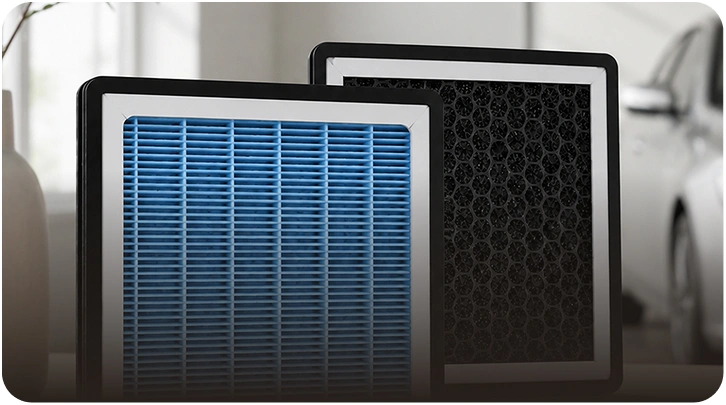
Measuring your indoor air with a reliable air quality monitor is the first step to a healthier life. Once you have your data, fixes are often simple: open a window, buy a HEPA air purifier, or switch to low-VOC cleaning products. Your air quality monitor becomes your partner in keeping a safe, healthy home.



 Let’s Talk